A GAF HDZ Roof in Walton — and the Flashing That Keeps It Dry
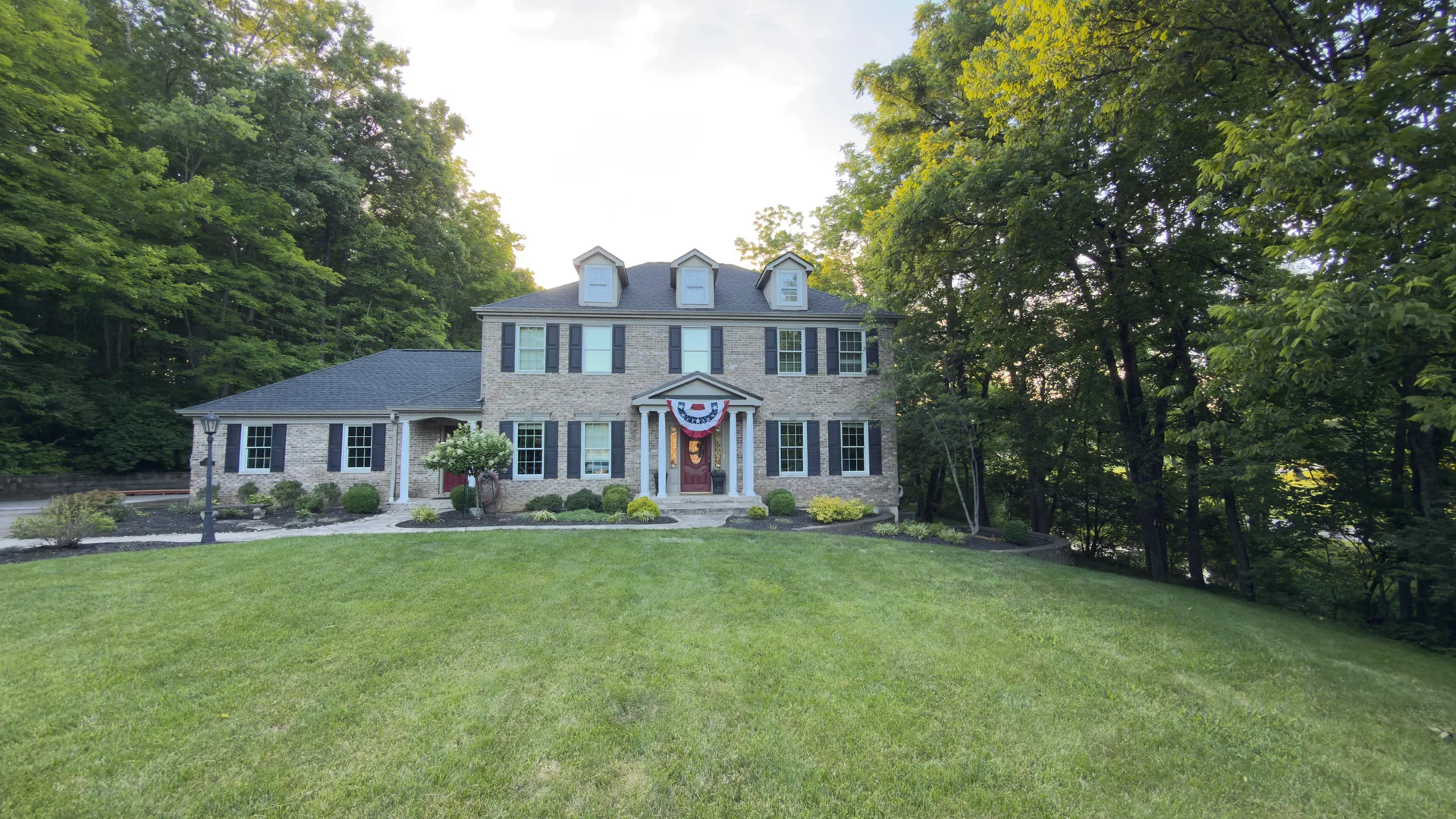
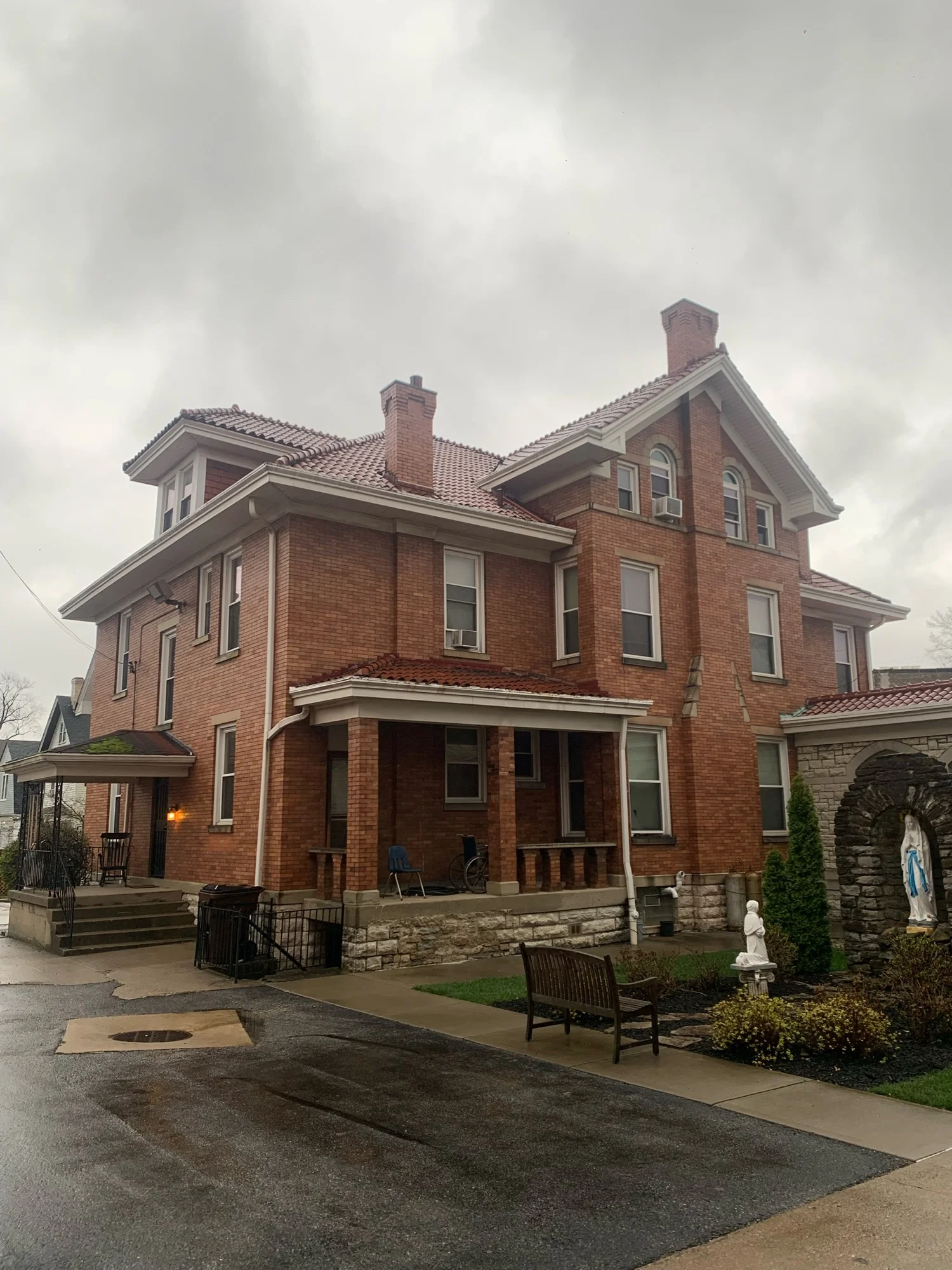
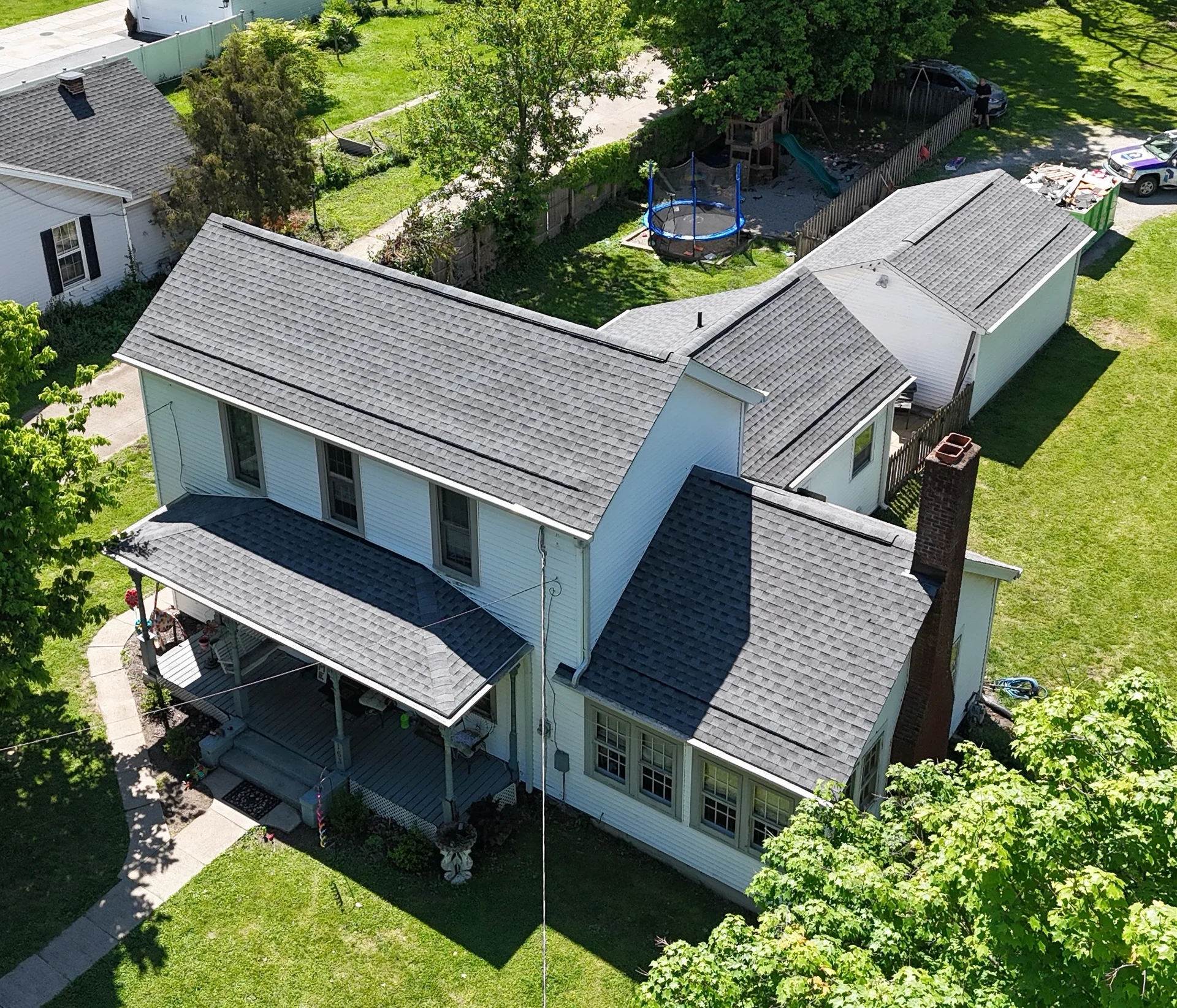
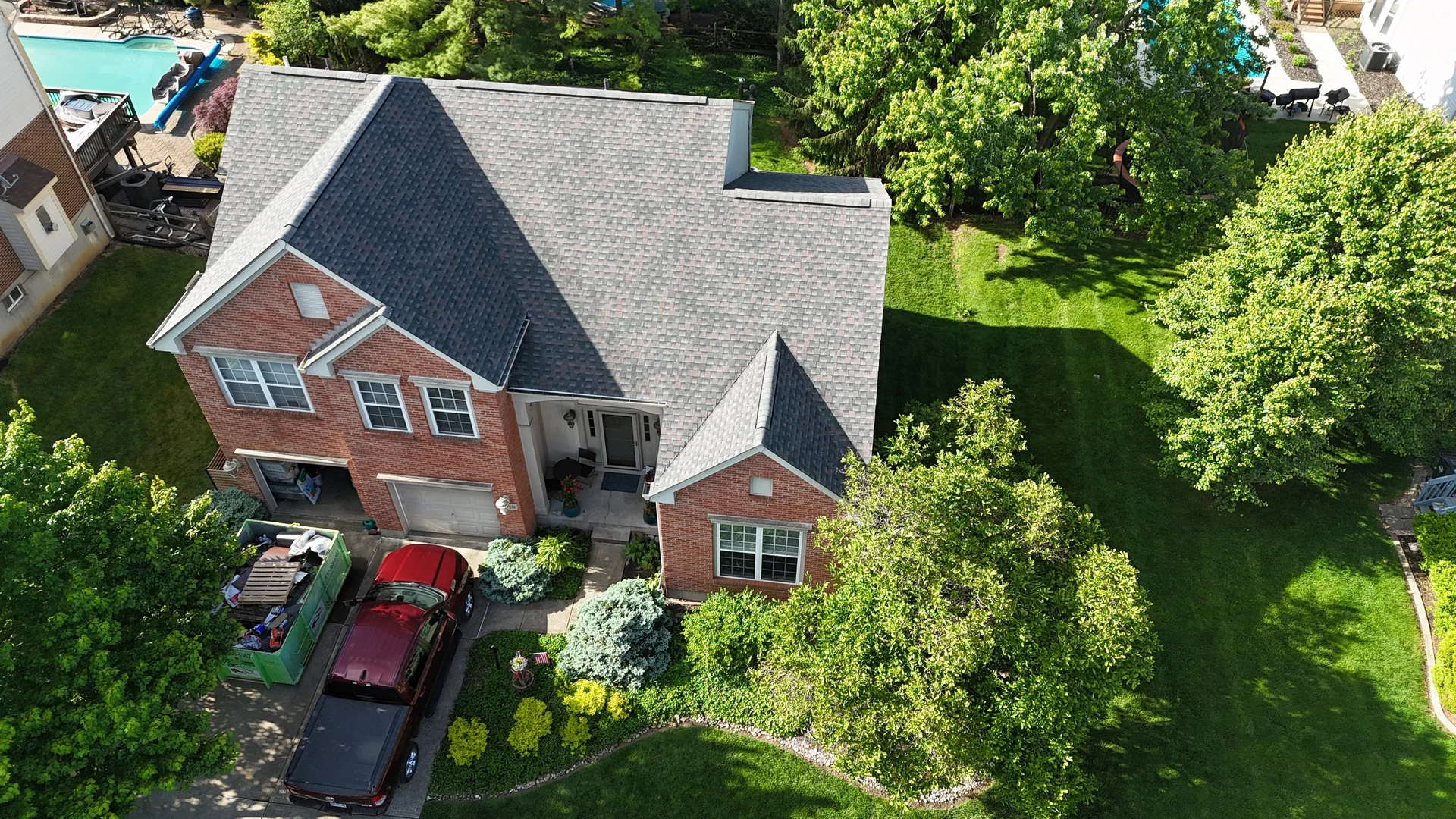
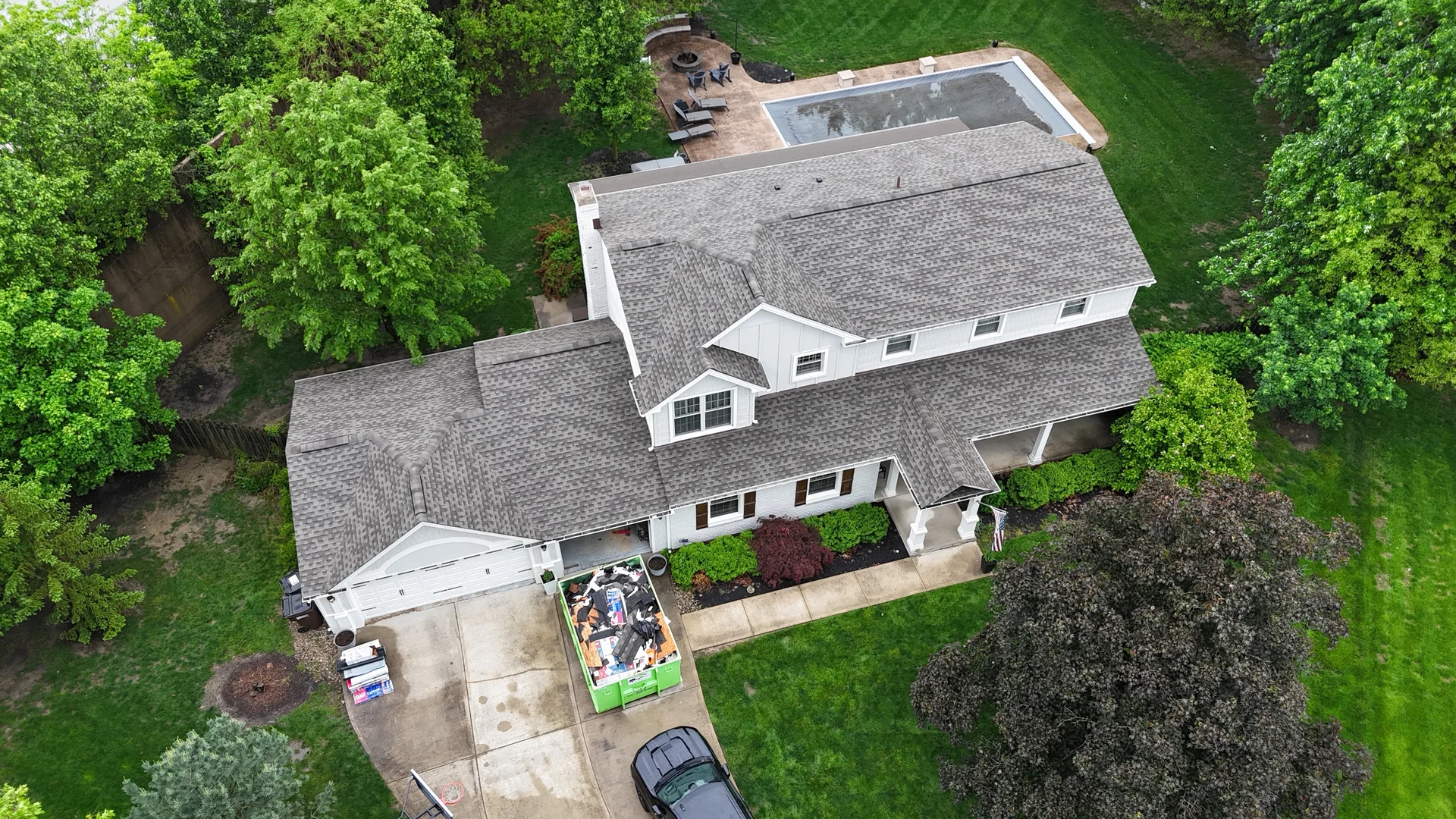
Most of what a homeowner pays for in a roof replacement is invisible by the time the crew leaves. This Walton, Kentucky project is a good example of where that money actually goes.
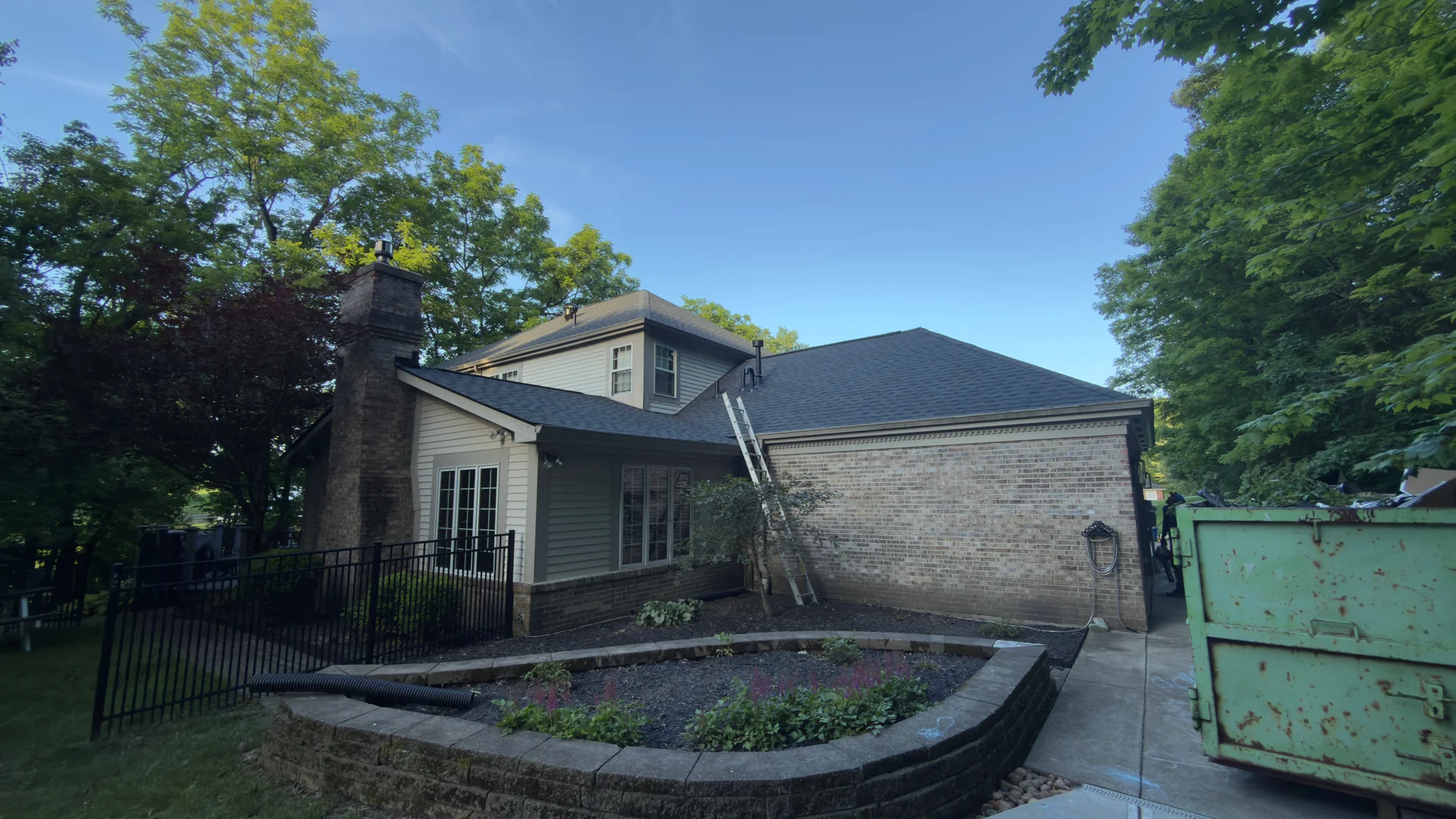
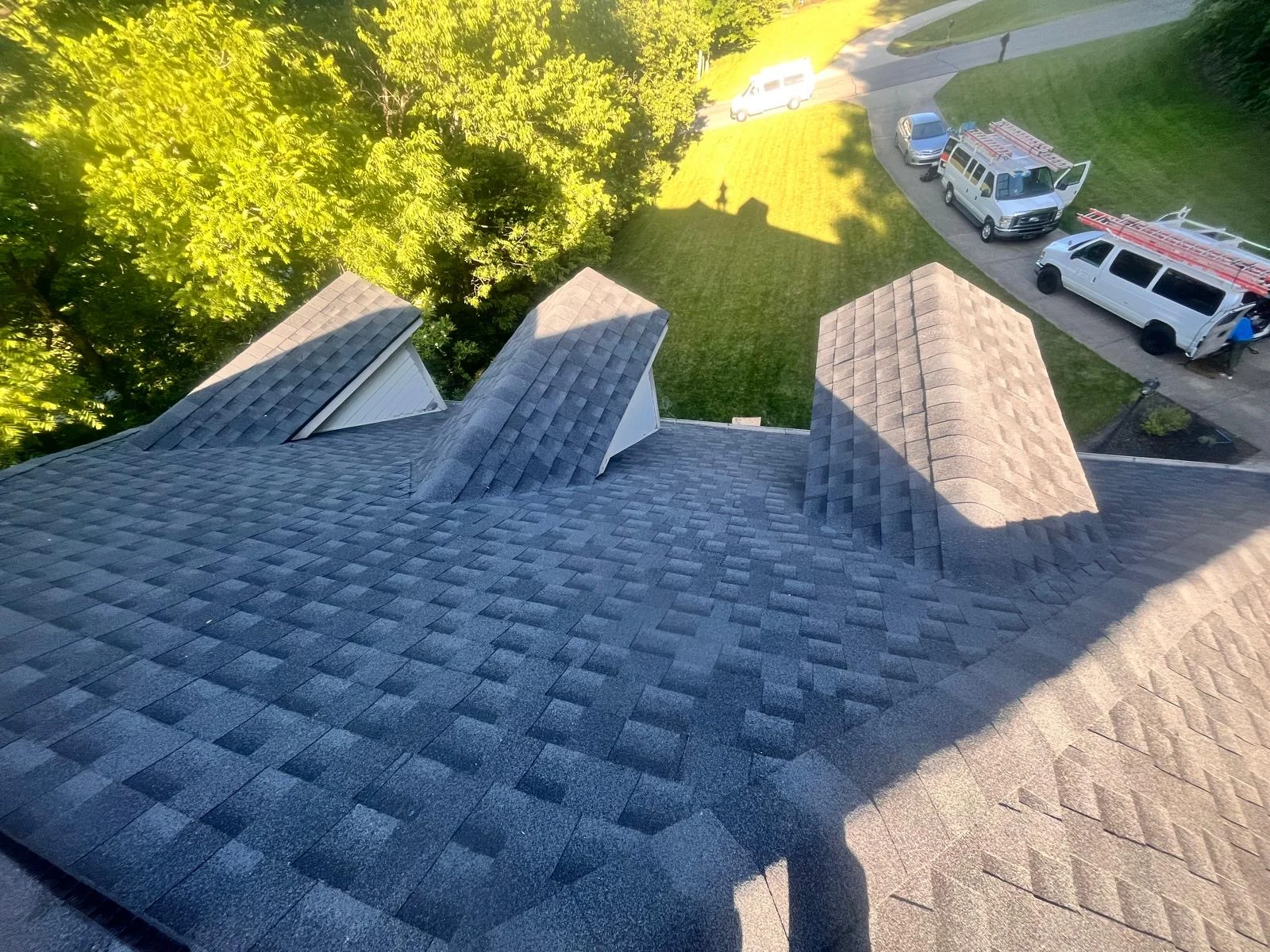
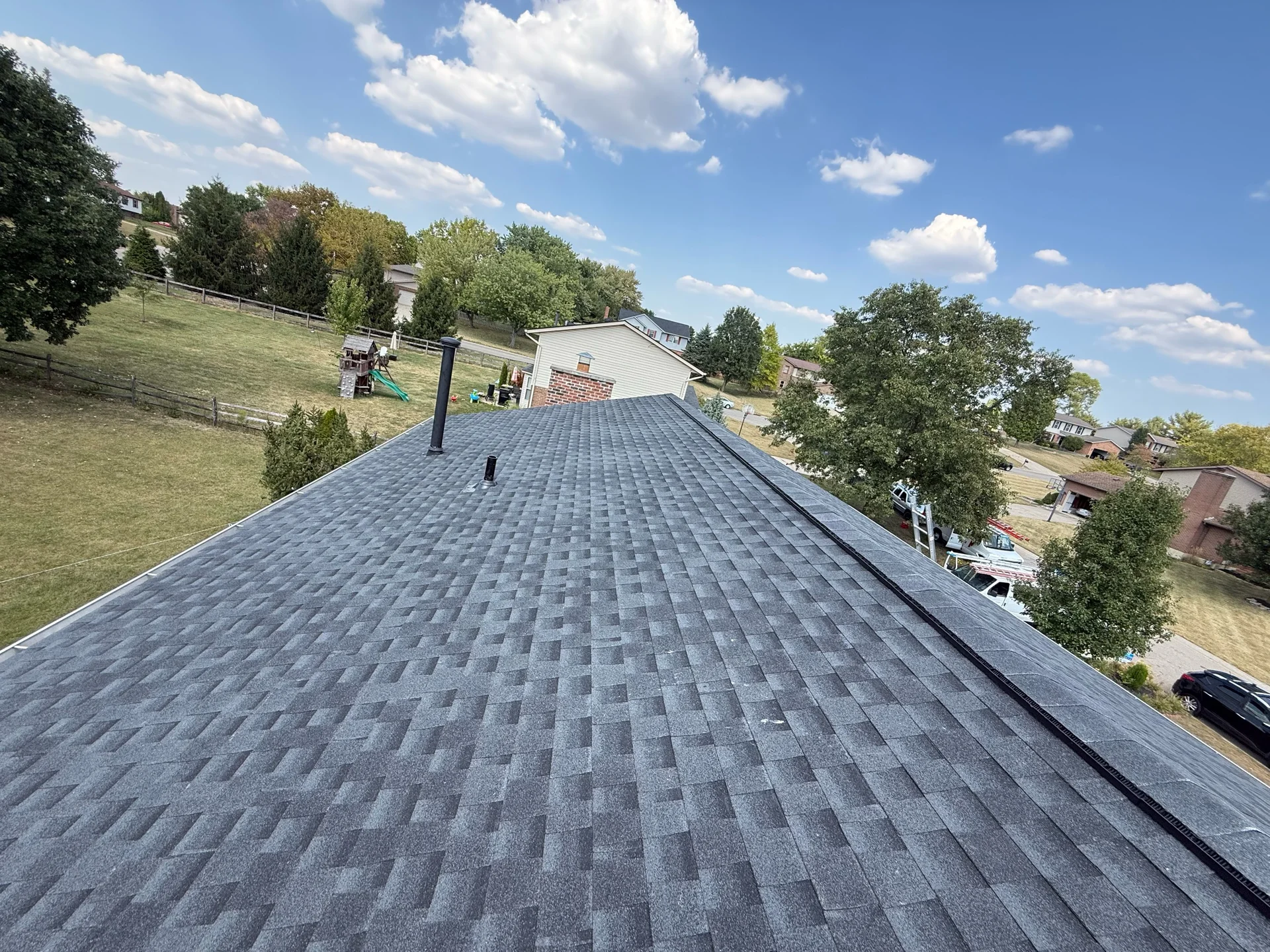
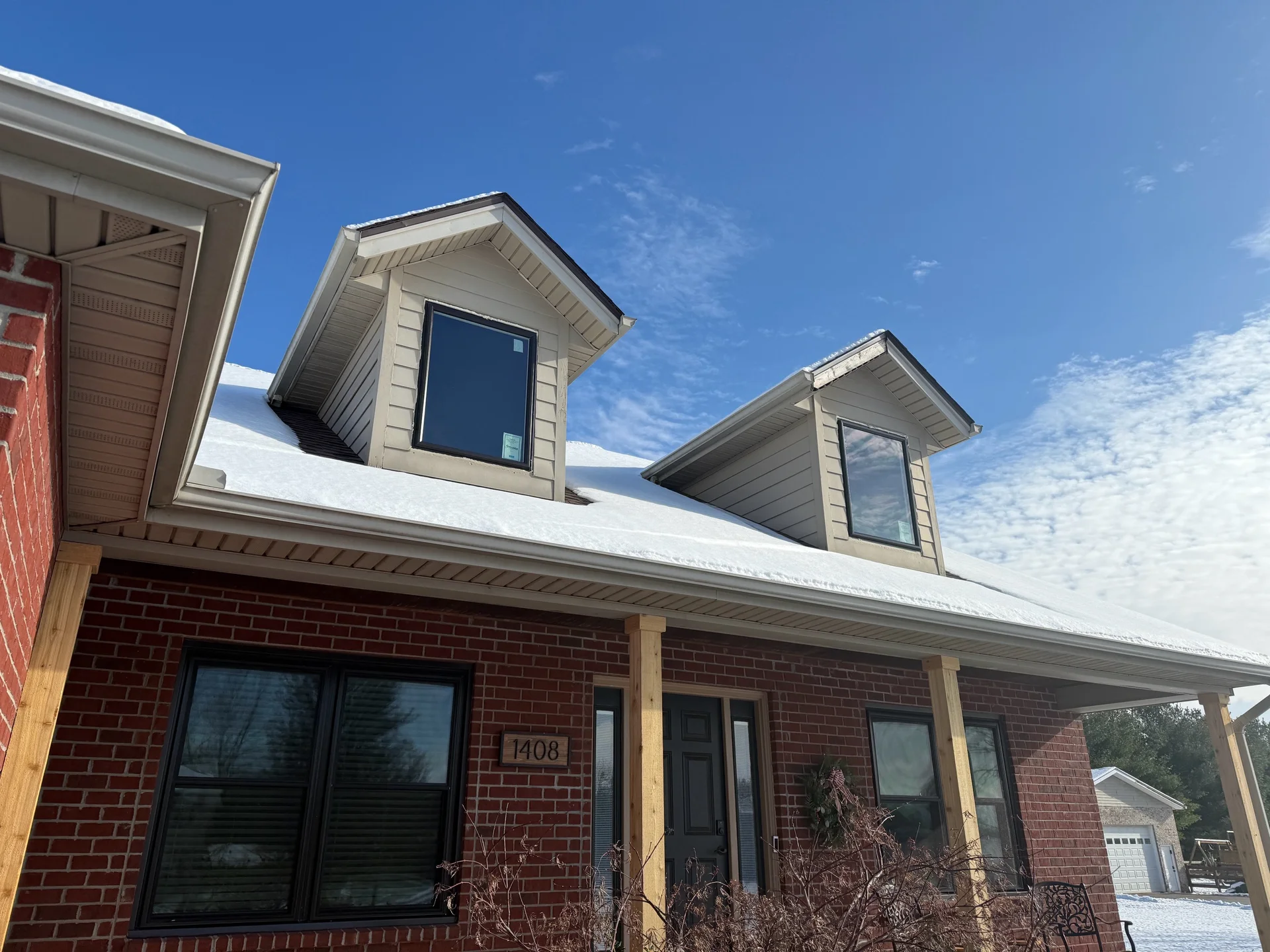
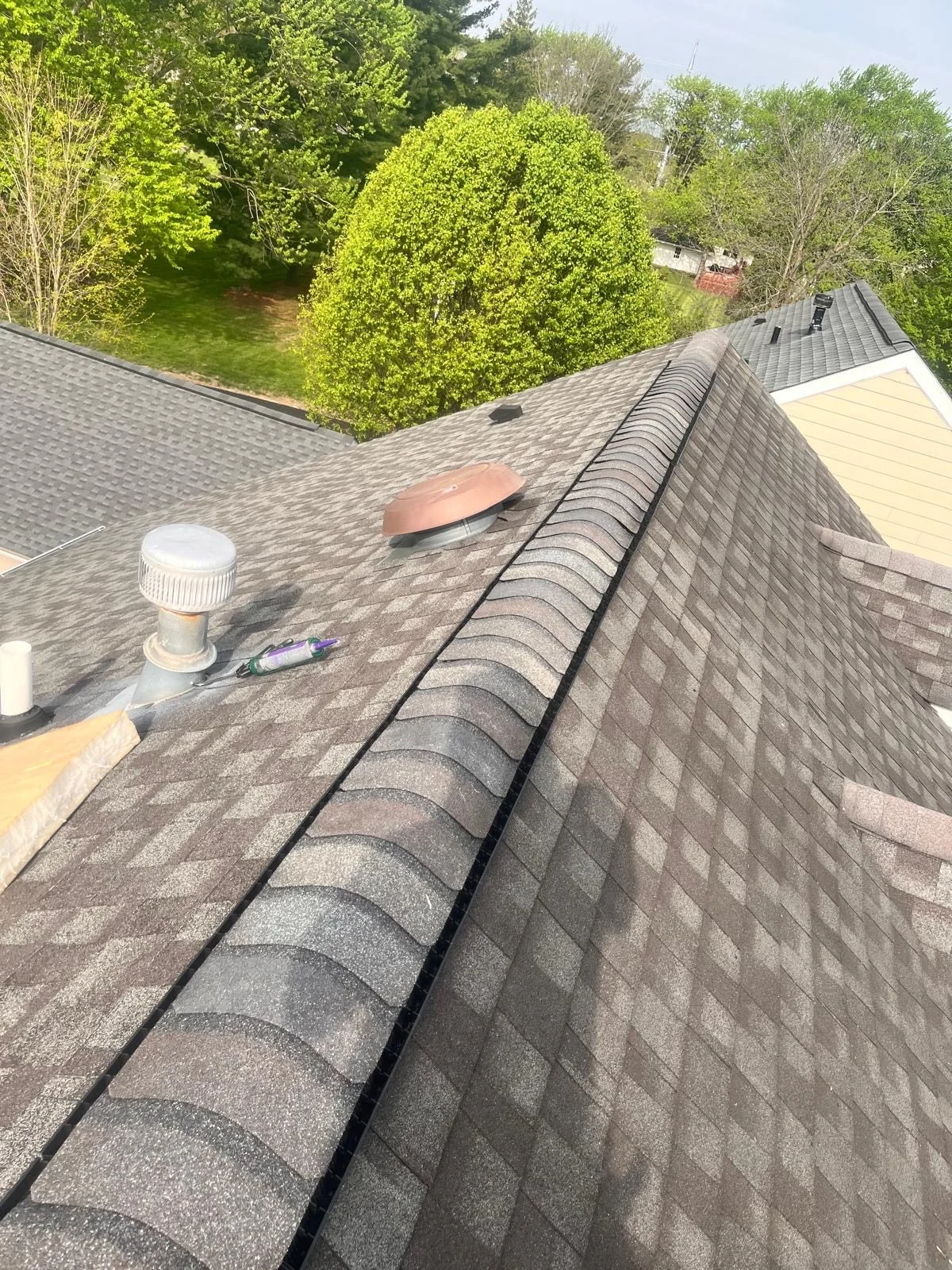
The roof is a GAF Timberline HDZ roof, installed in June 2026 as an upgrade rather than a like-for-like replacement of the shingle that was on the house. The rest of it happened before the first bundle came off the truck. Every Prodigy roof starts with an assessment of the things a shingle cannot fix: the condition of the deck, whether the attic is ventilated well enough to keep the new roof from cooking itself, code deficiencies left behind by earlier work, and every place something penetrates the roof plane. The chimney, the pipe boots, the valleys, the wall intersections. Those penetrations are where roofs leak. The open field of a roof almost never fails on its own.
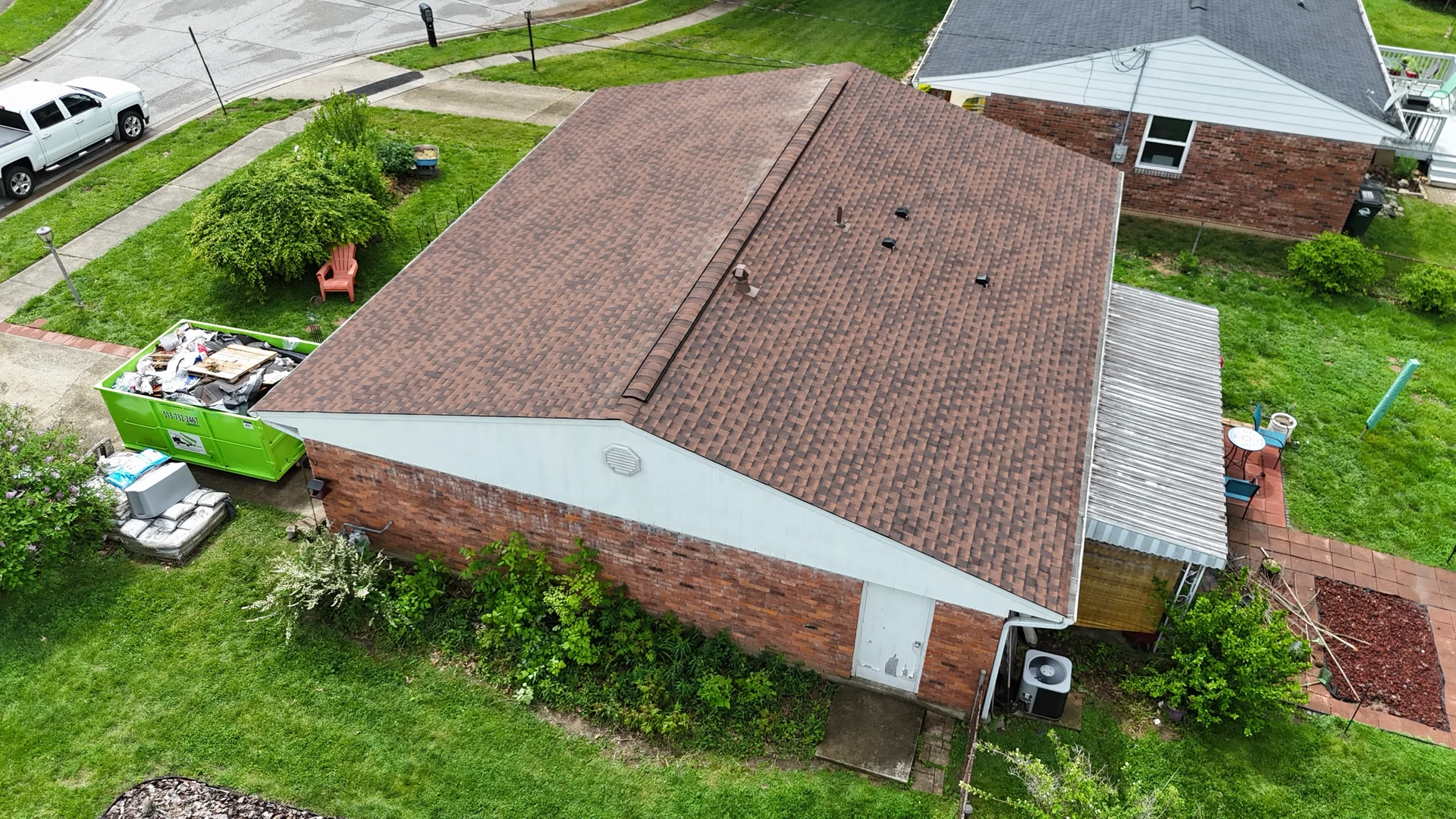
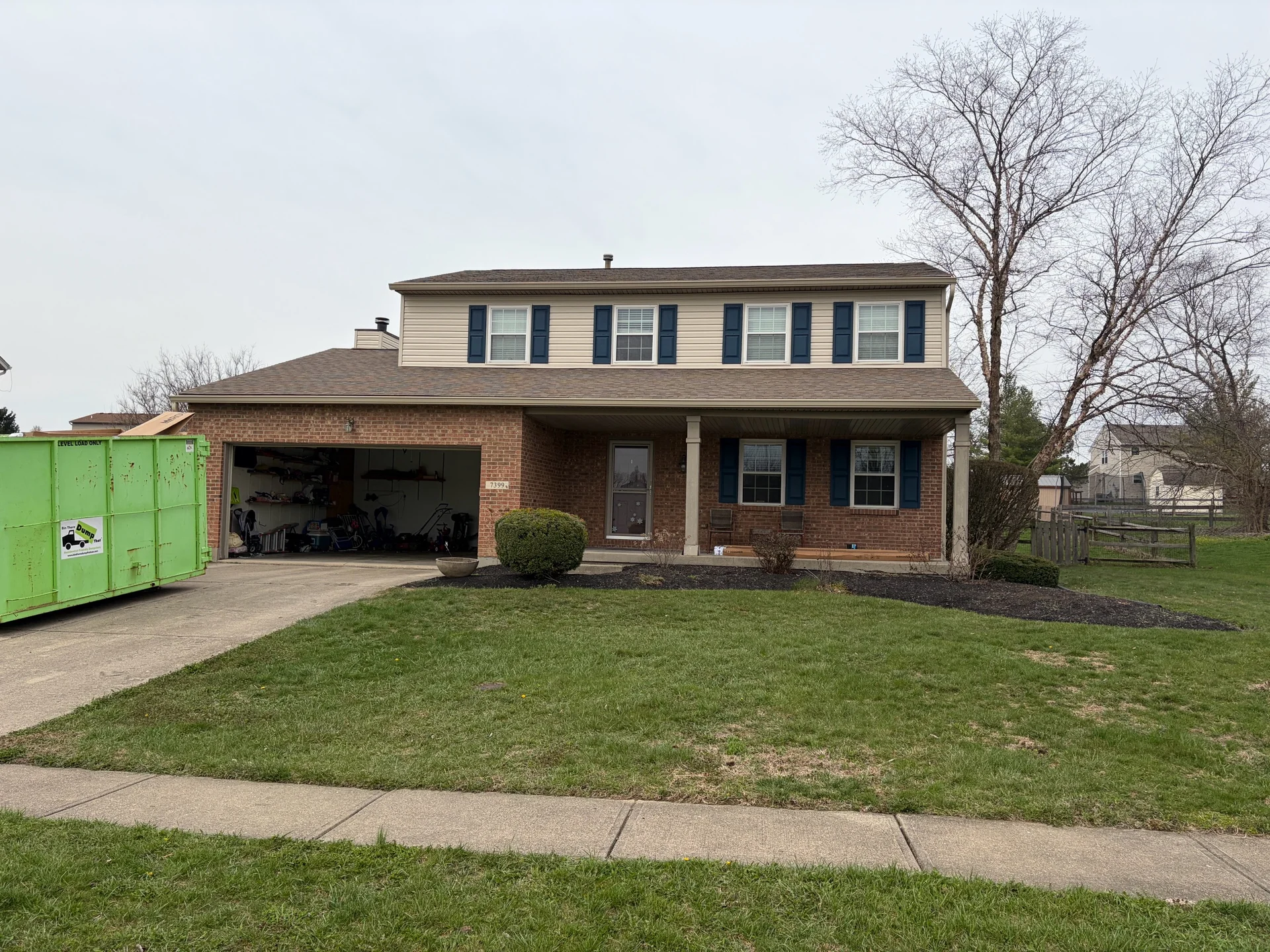
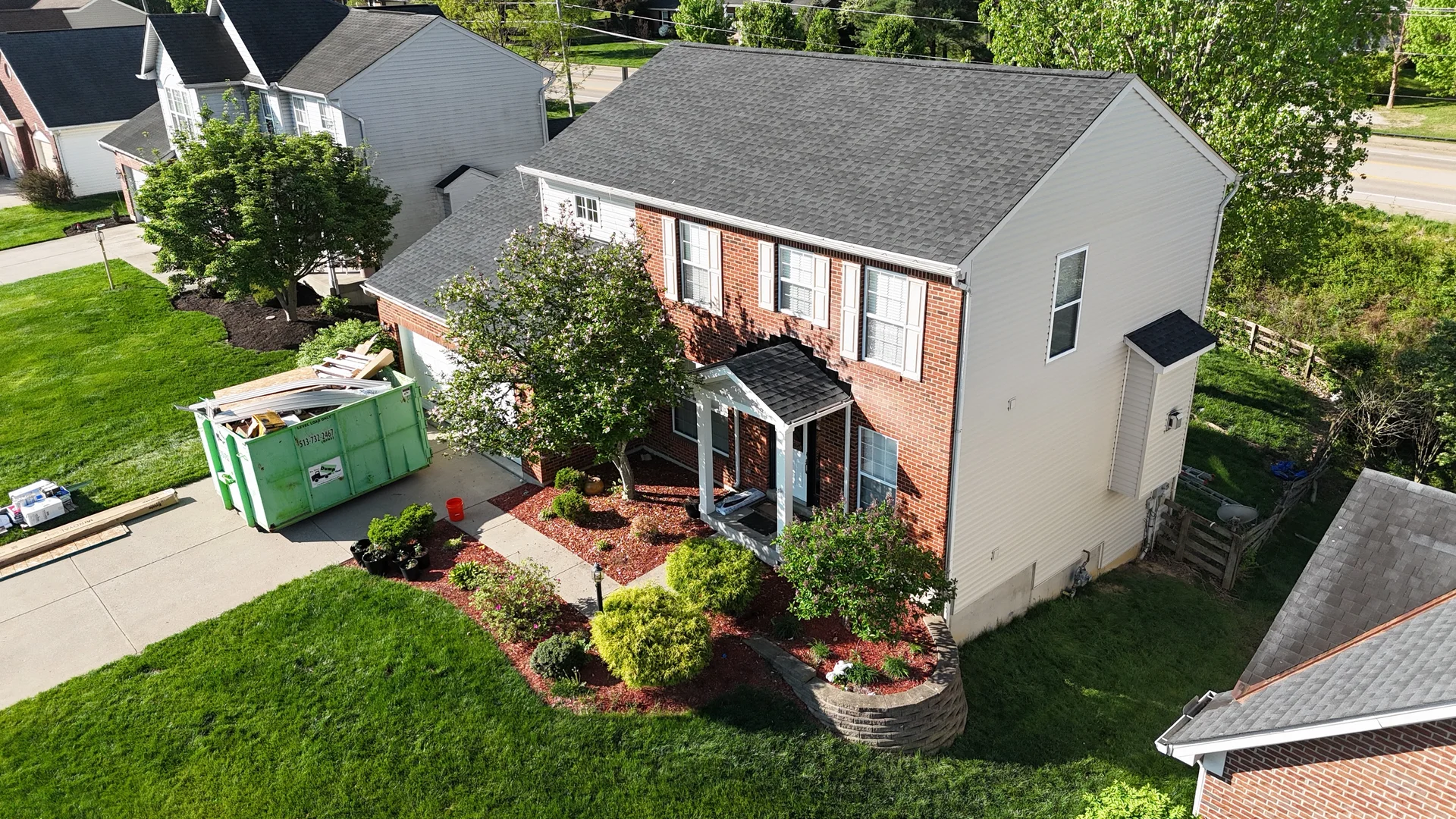
Tear-off, installation and cleanup were handled the same day, finishing with a magnet sweep of the yard and driveway for nails. As a GAF Master Elite contractor, a certification roughly two percent of roofing companies in the country hold, we are able to back qualifying roofs with GAF's strongest material and workmanship coverage.
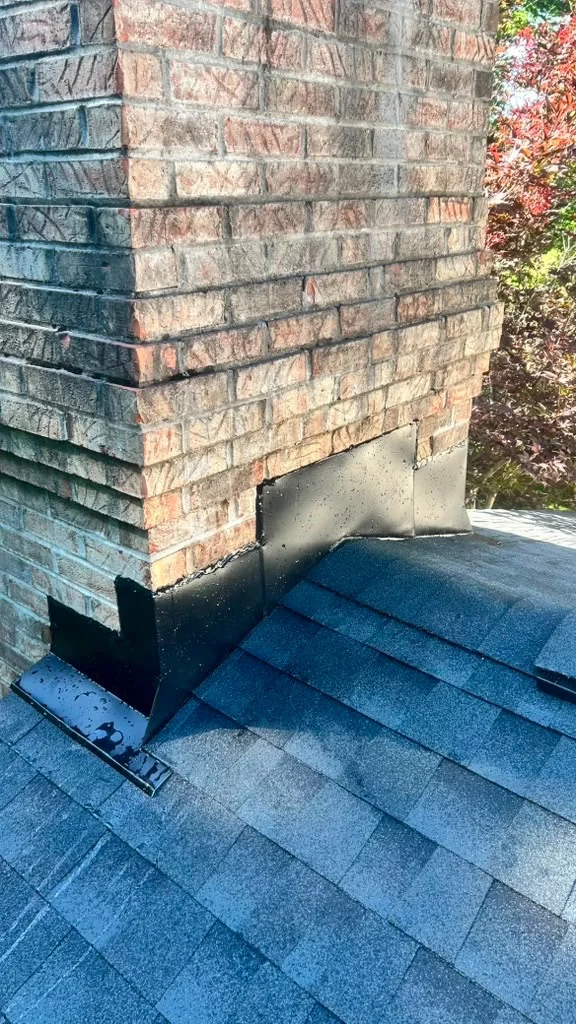
The chimney is the detail worth a closer look on any roof of this age, and it is the subject of the article below.
Most of what a homeowner pays for in a roof replacement is invisible by the time the crew leaves. This Walton, Kentucky project is a good example of where that money actually goes.
The roof is a GAF Timberline HDZ roof, installed in June 2026 as an upgrade rather than a like-for-like replacement of the shingle that was on the house. The rest of it happened before the first bundle came off the truck. Every Prodigy roof starts with an assessment of the things a shingle cannot fix: the condition of the deck, whether the attic is ventilated well enough to keep the new roof from cooking itself, code deficiencies left behind by earlier work, and every place something penetrates the roof plane. The chimney, the pipe boots, the valleys, the wall intersections. Those penetrations are where roofs leak. The open field of a roof almost never fails on its own.
Tear-off, installation and cleanup were handled the same day, finishing with a magnet sweep of the yard and driveway for nails. As a GAF Master Elite contractor, a certification roughly two percent of roofing companies in the country hold, we are able to back qualifying roofs with GAF's strongest material and workmanship coverage.
The chimney is the detail worth a closer look on any roof of this age, and it is the subject of the article below.
News
Ask a roofer where roofs leak and almost none of them will say "the middle." They leak at the edges and at the interruptions, and the most common interruption on a residential roof is the chimney.
What flashing actually does
Chimney flashing is the metal that bridges two materials with nothing in common. The chimney is masonry: heavy, rigid, carried on its own footing. The roof is a wood-framed assembly that moves with temperature, humidity and load. Where the two meet there is a joint that is always working, and flashing is what keeps that joint watertight while it moves.
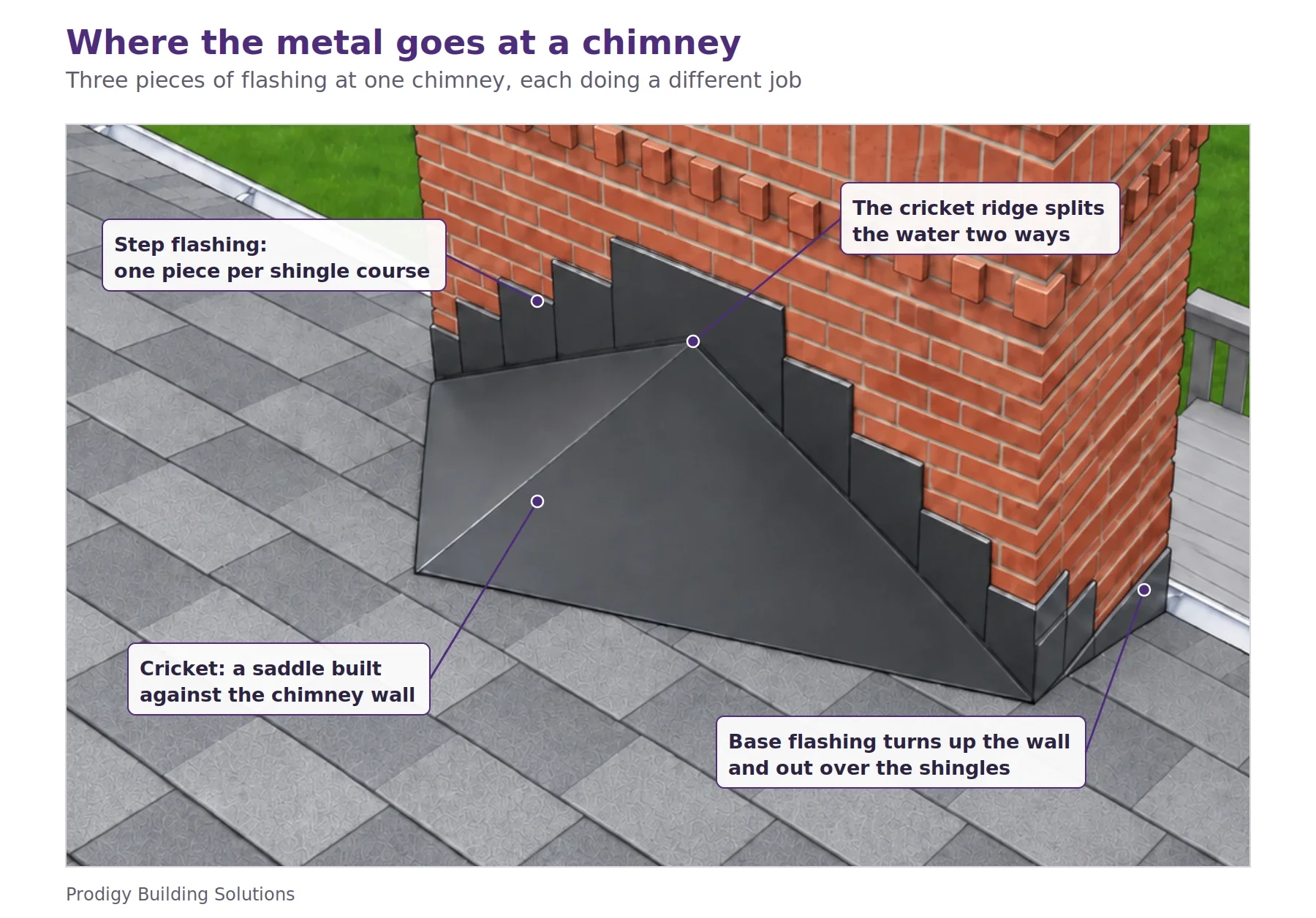
Done properly it is two layers, not one. Step flashing runs up the sides of the chimney, one piece per shingle course, each lapped over the one below it. Counter flashing is set into a cut in the masonry above it and folds down over the step flashing, so water that gets behind the surface is thrown back out instead of down. A base pan at the low side and a cricket at the high side handle the water the roof delivers to the chimney in volume.
Figure 1 — The cricket splits the water before it can pile against the chimney, step flashing carries it down the sides course by course, and base flashing closes the wall at the shingles.
The dimensions are not optional. Each piece of step flashing is bent to run at least 4 inches up the chimney and 4 inches onto the roof, and the pieces overlap the way shingles do, by at least 2 inches, one piece per course. The counter flashing is set into a cut in a mortar joint at least an inch deep and sealed there, then bent down over the step flashing, never face-nailed to the brick. And a chimney more than 30 inches wide on its uphill side needs a cricket, a small peaked saddle that splits the water coming down the roof and sends it around both sides instead of letting it pool behind the masonry.
Why it fails
Metal fatigue is only part of it. Flashing rusts. Sealant at the counter flashing dries out and pulls away from the brick. Mortar joints erode and let the counter flashing loosen. And the constant differential movement between a rigid chimney and a moving roof works fasteners loose over years.
None of that announces itself. By the time a stain appears on a bedroom ceiling, water has usually been in the assembly for a season or more, and the repair is no longer just flashing. It is decking, insulation and drywall too.
The failure that has nothing to do with age
The other common cause is a roof that was replaced without replacing the flashing. Flashing that gets bent back, worked around and re-sealed during a tear-off has already spent its service life bonded to a roof that is now in a dumpster. Its fastener holes are in the wrong places for the new shingle courses, and the sealant holding it is the same sealant that was already failing. Reusing it saves an hour on install day and buys a leak that shows up long after the crew has gone. On an assembly meant to last decades, flashing is not where the savings are.
What to look for from the ground
Rust streaks or staining on the chimney masonry below the roofline
Mortar missing from the horizontal joint where the counter flashing is set in
Metal that has lifted, curled or separated from the brick
Heavy beads of sealant, usually a sign of a patch standing in for flashing that should have been replaced
Inside the house: staining on the ceiling near the fireplace, or a musty smell in the attic near the chimney chase
Any one of these is worth an inspection before it turns into a framing repair. Chimney flashing is one of the cheapest problems on a roof to catch early, and one of the more expensive ones to ignore.