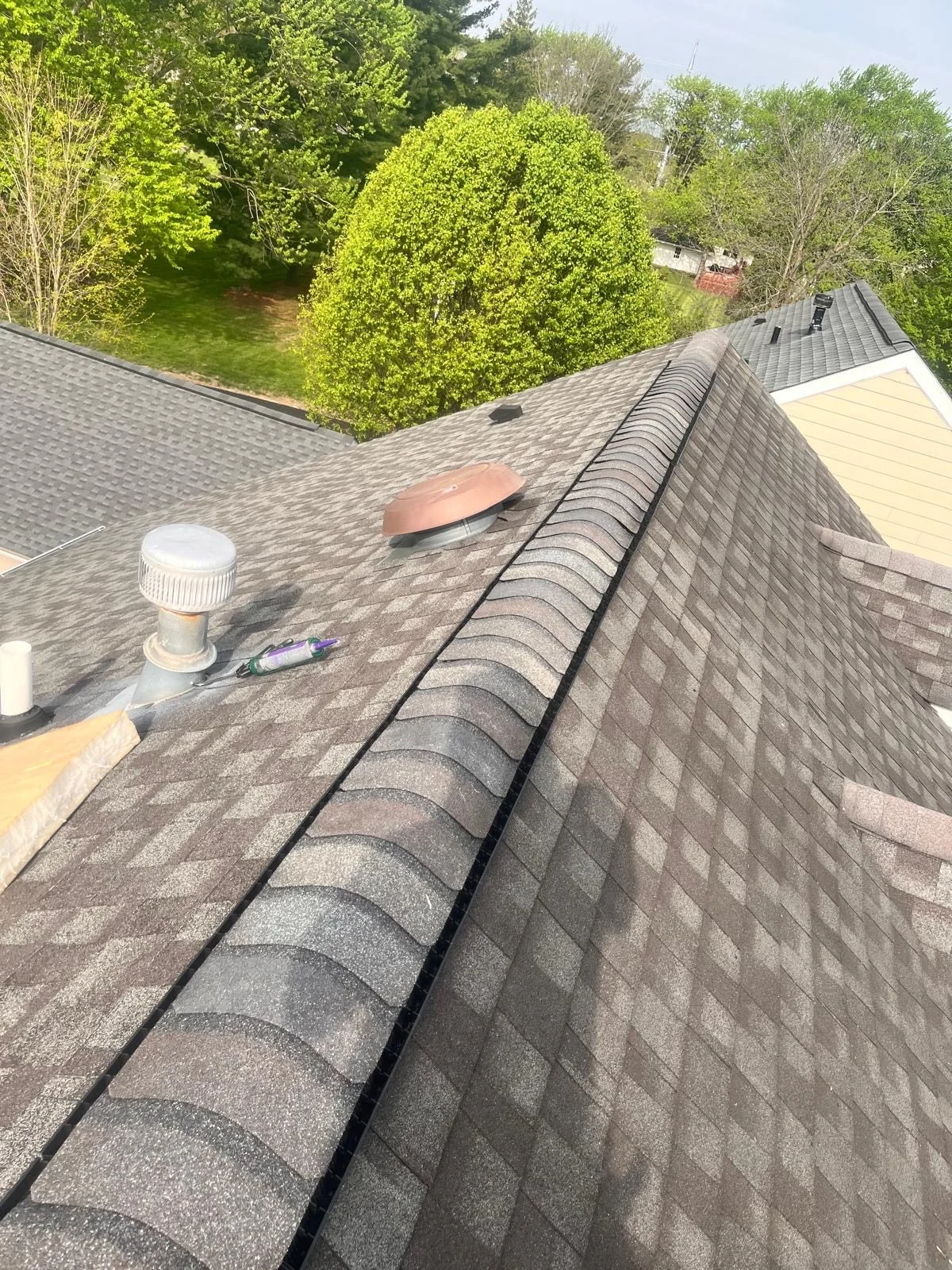
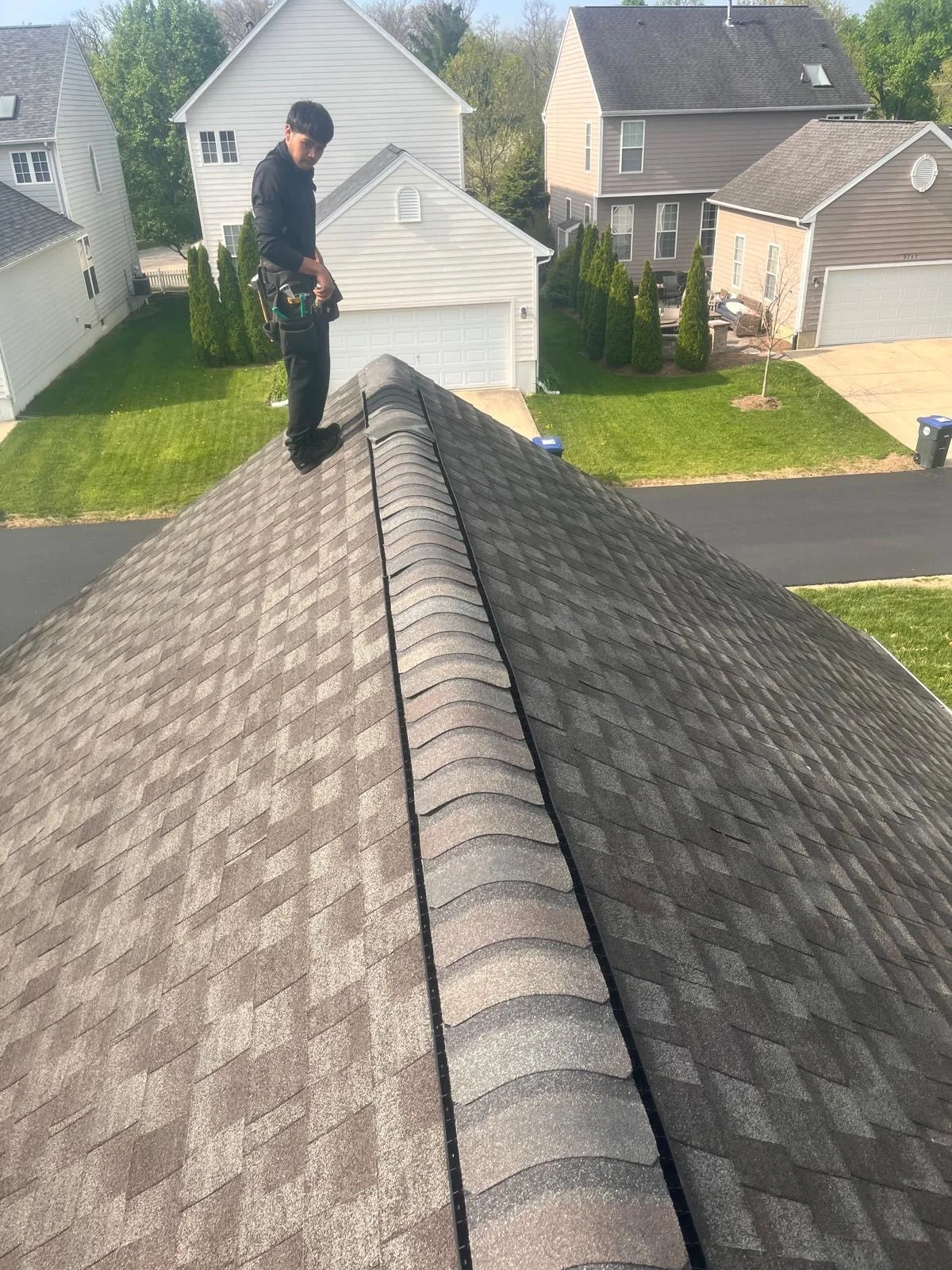
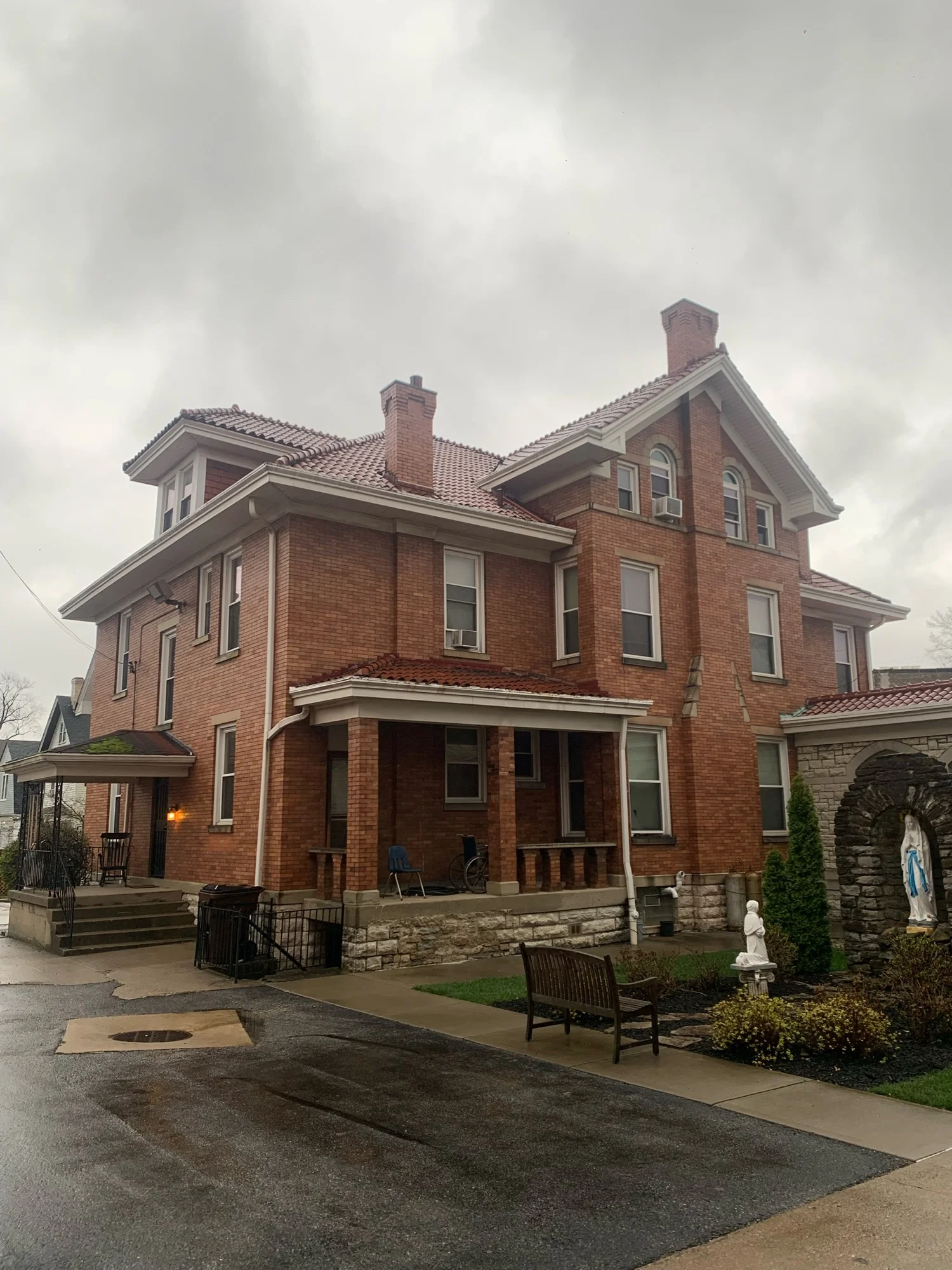
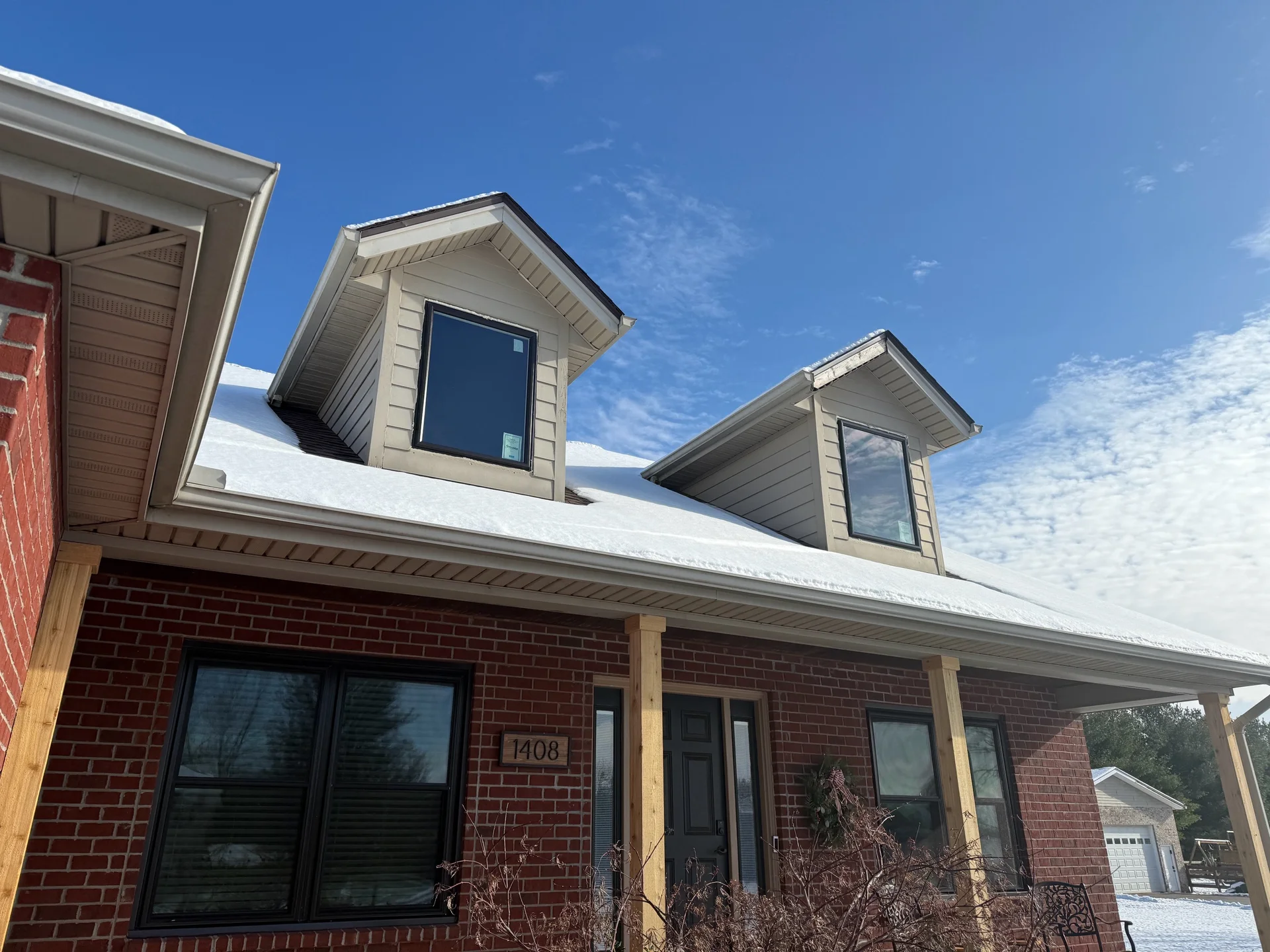
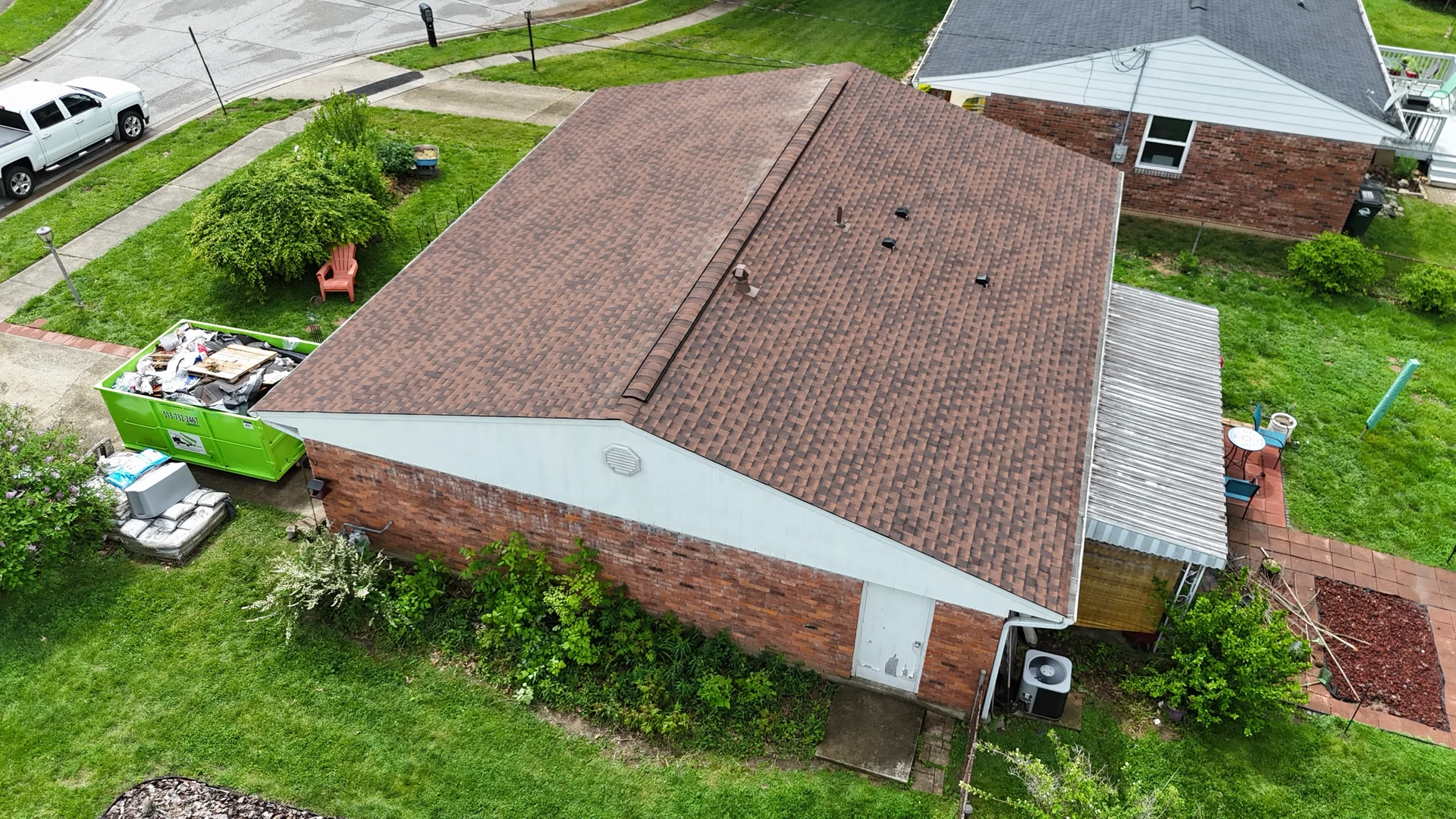
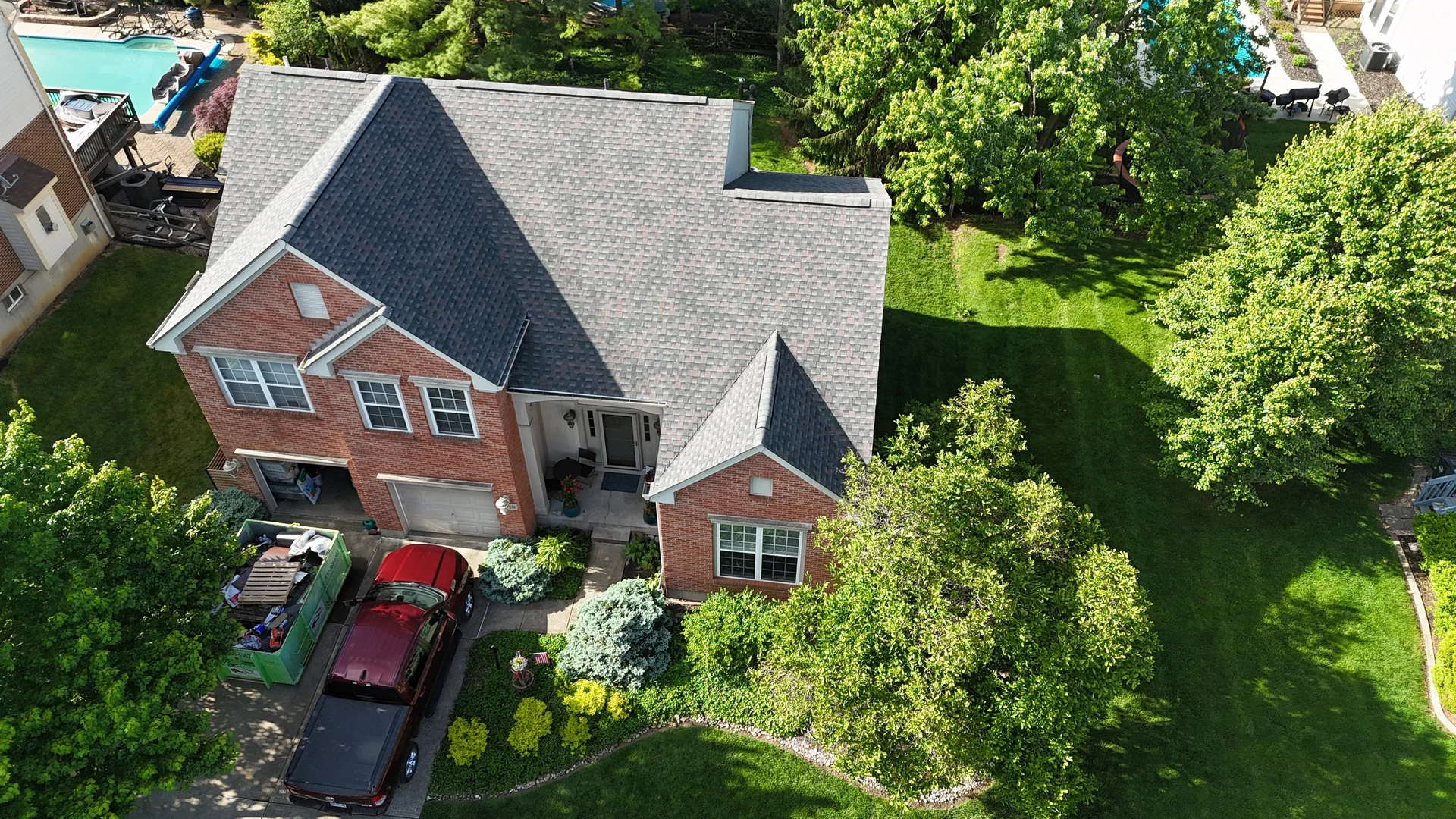
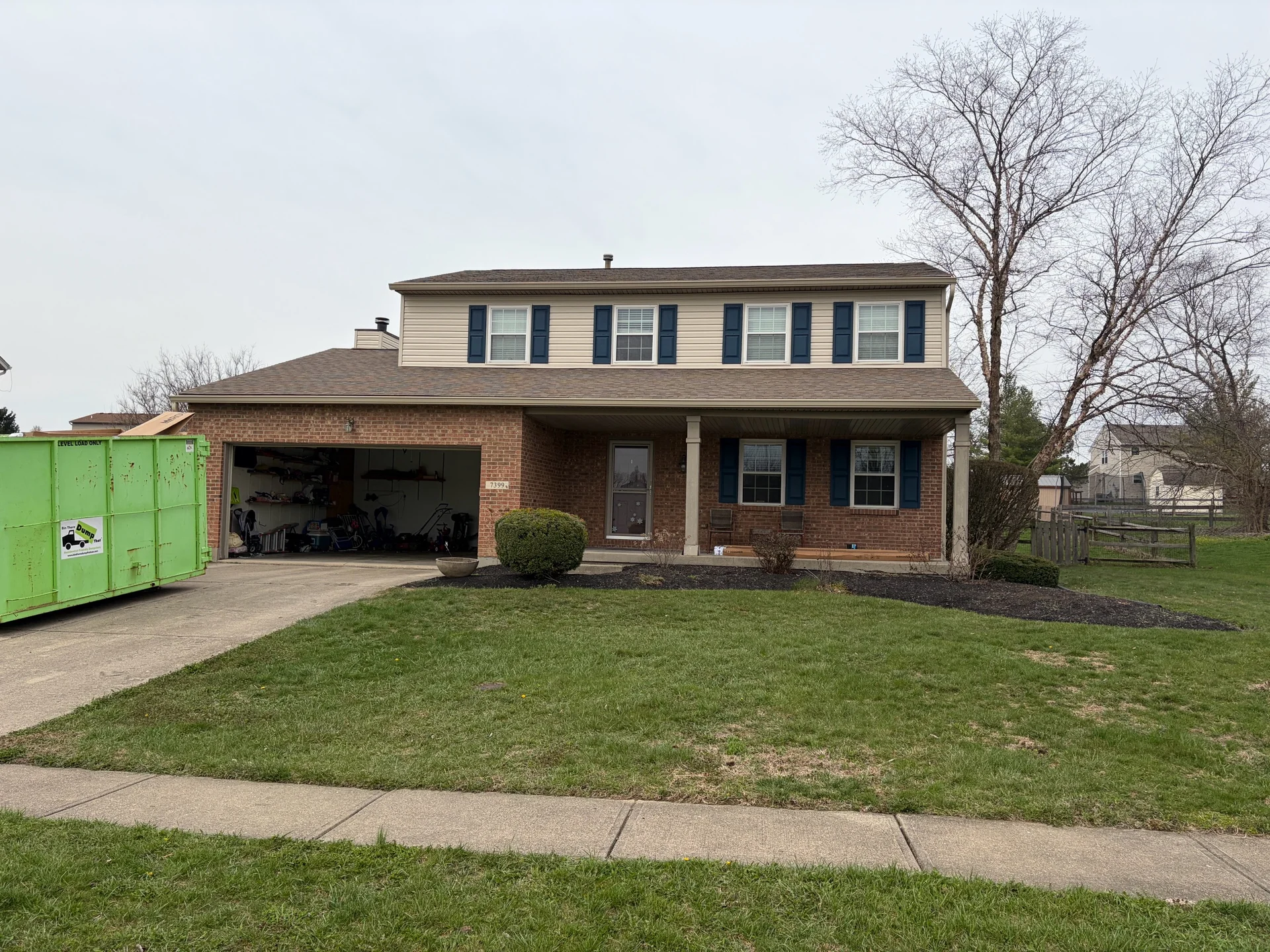
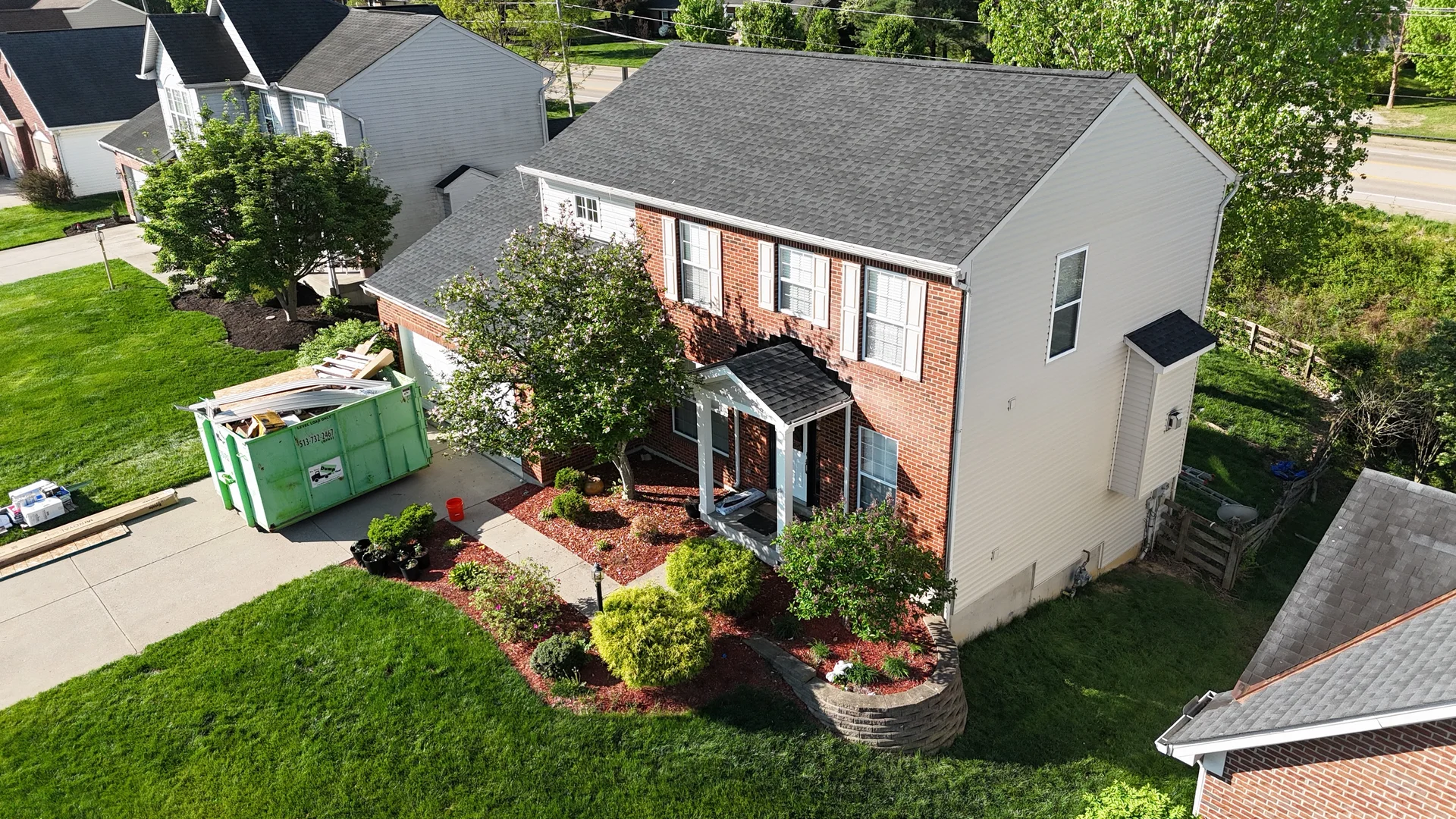
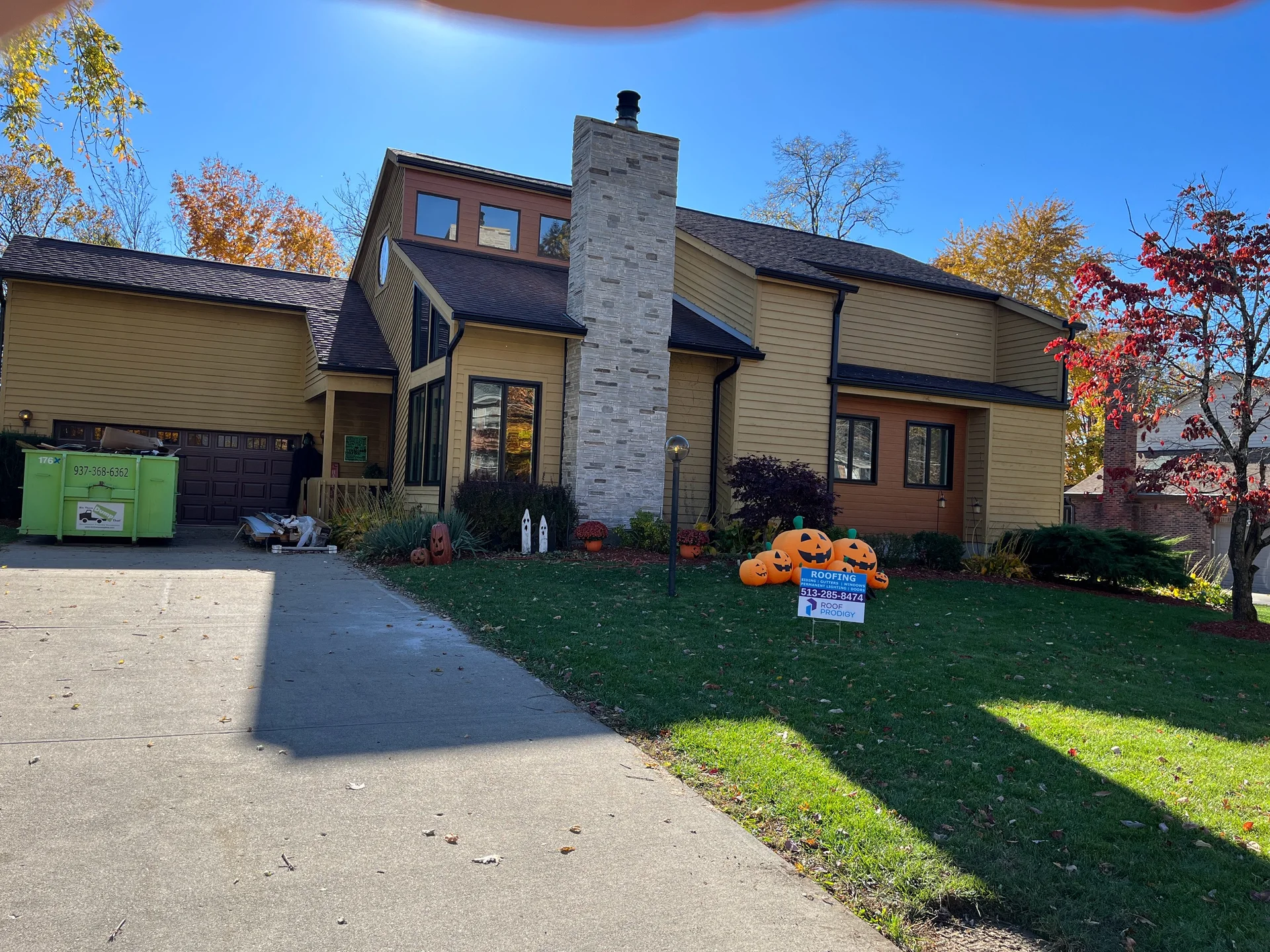
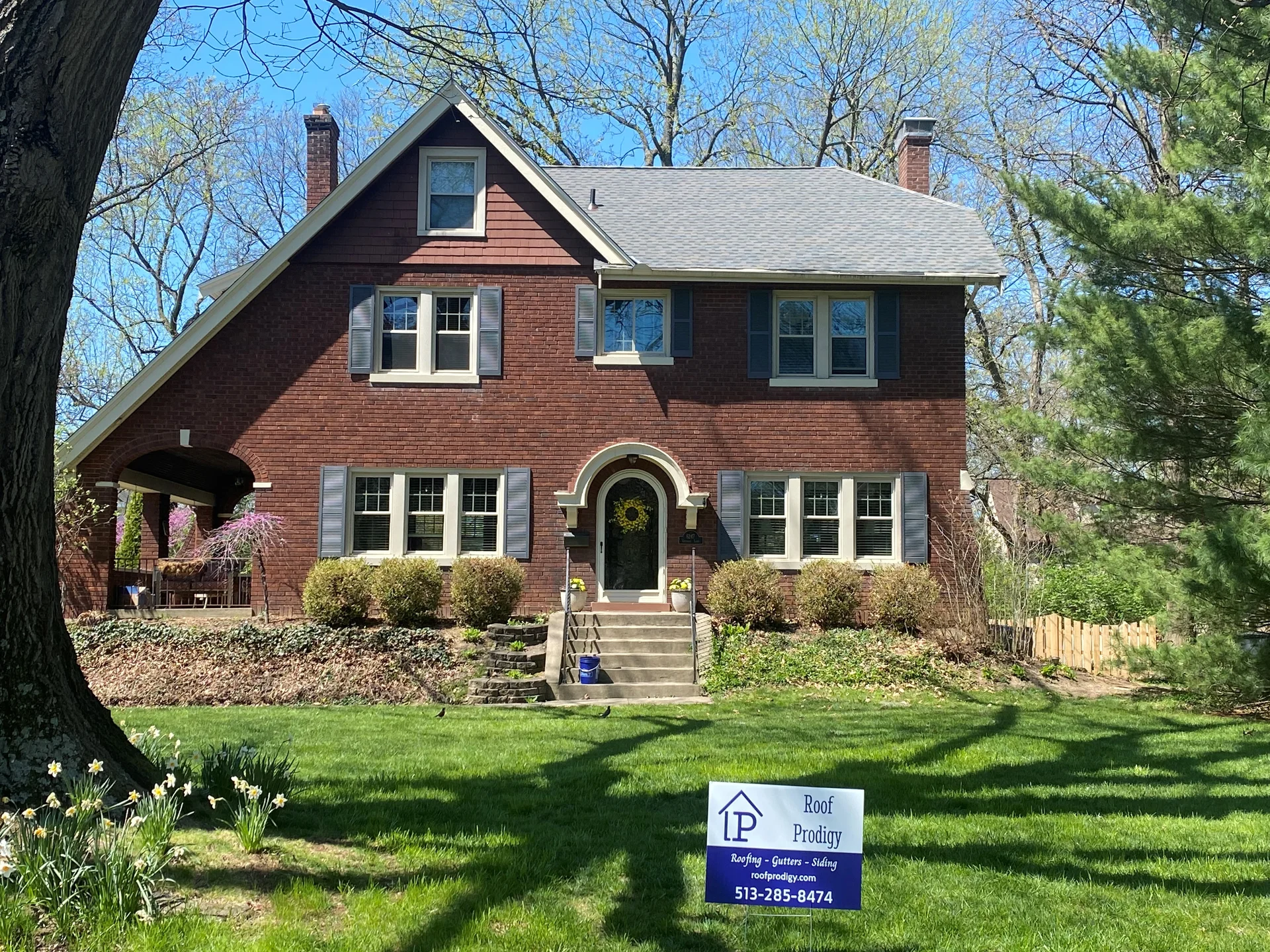
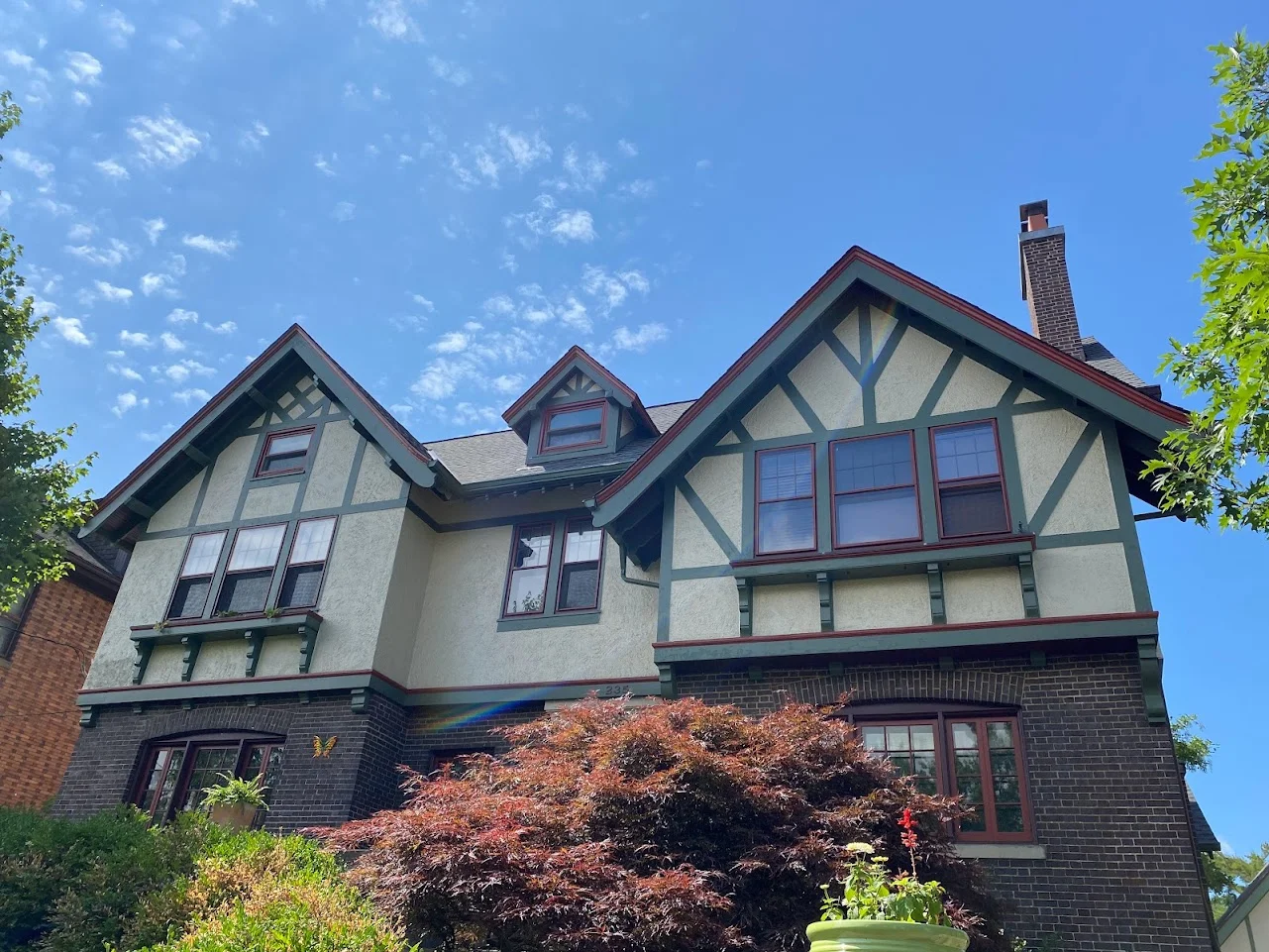
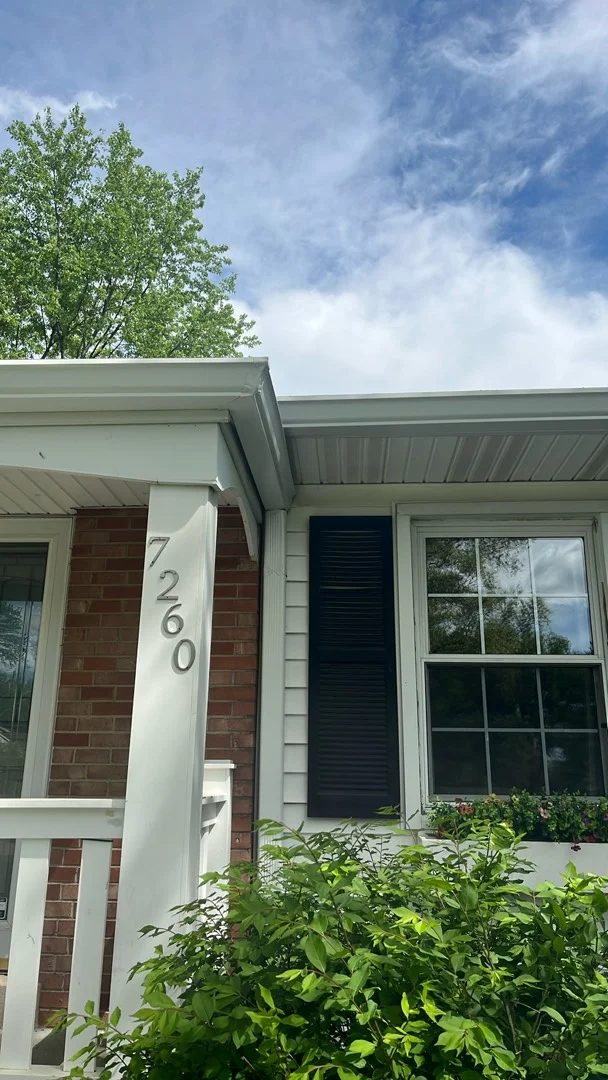
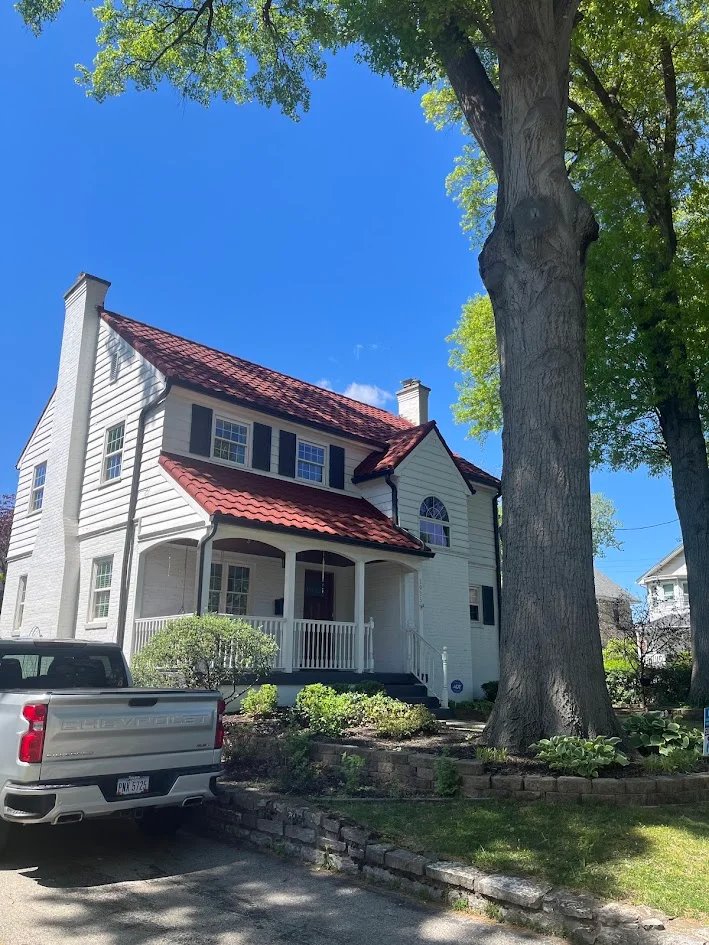
The leak on this Centerville home was coming in at the peak. A metal ridge vent ran the length of the ridge, and that vent — not the shingles on either side of it — was where water was getting into the house.
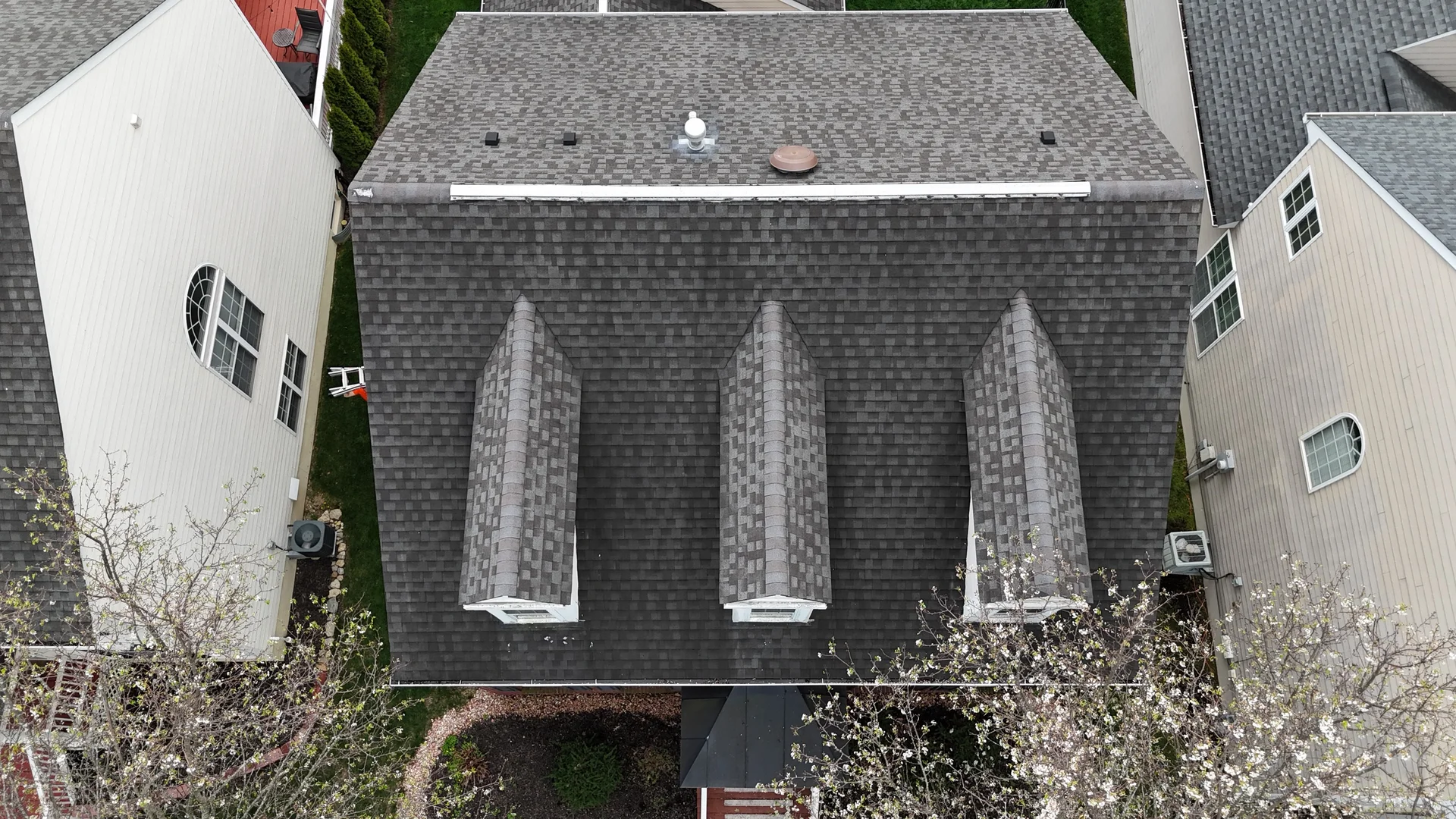
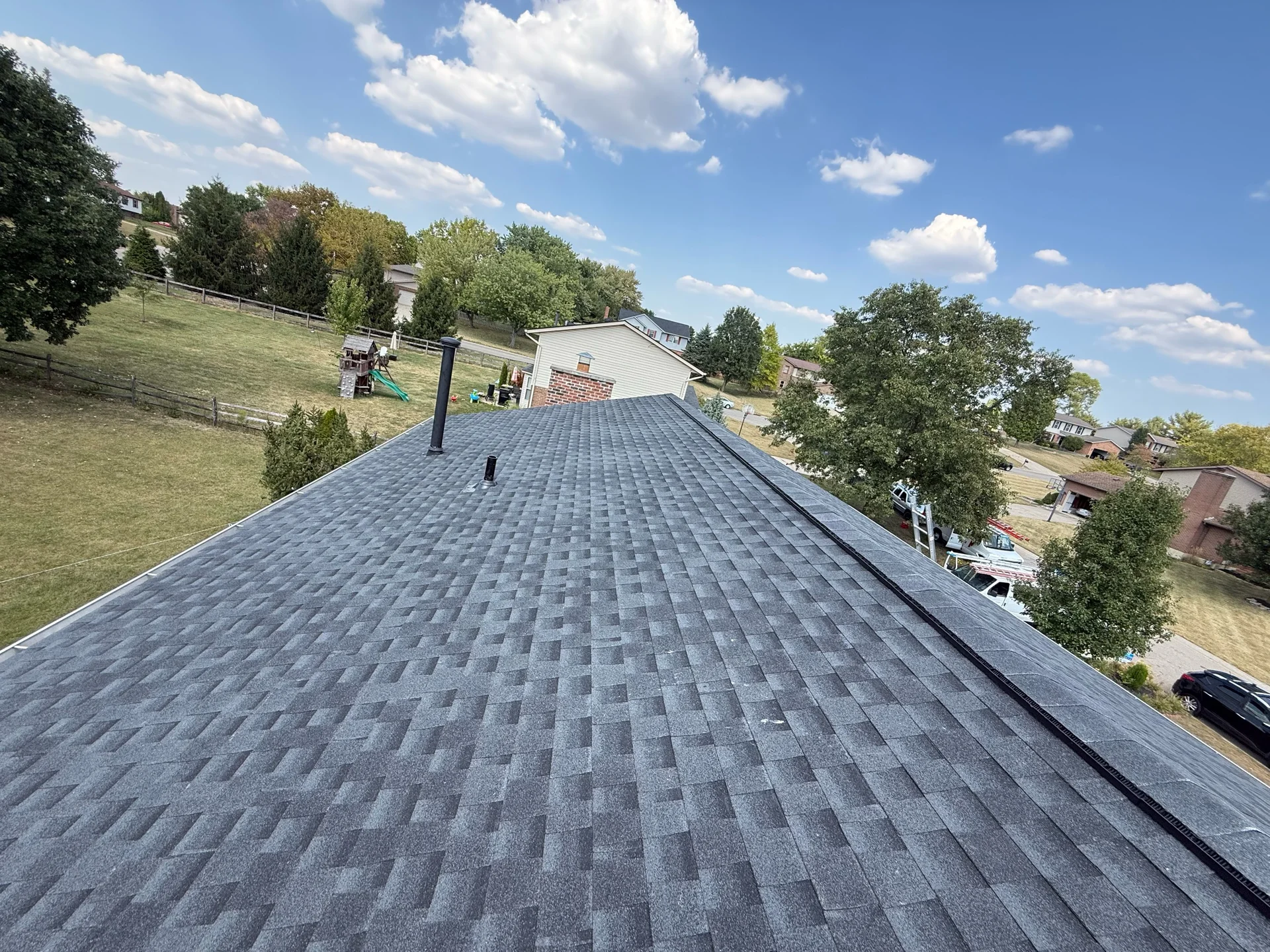
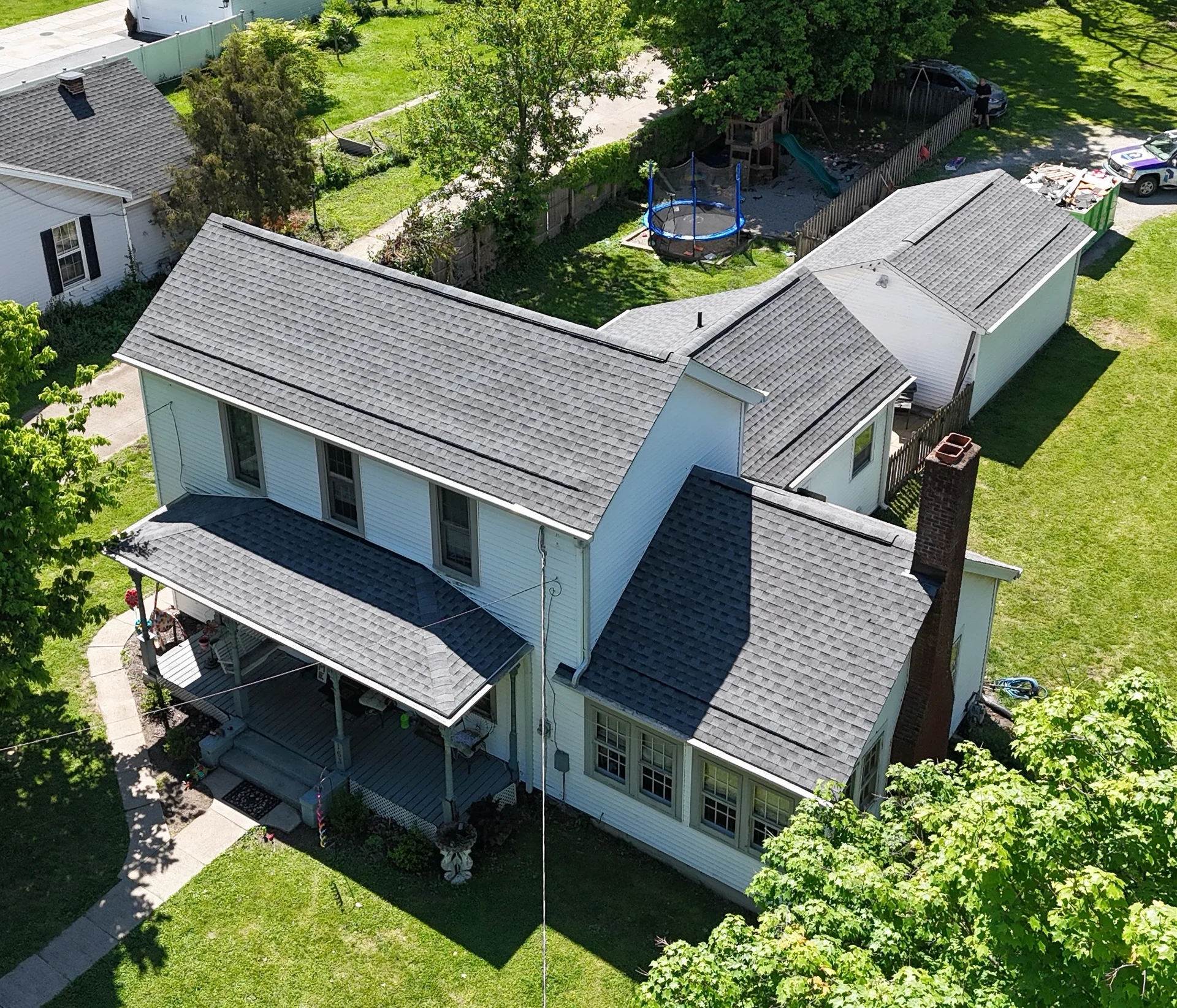
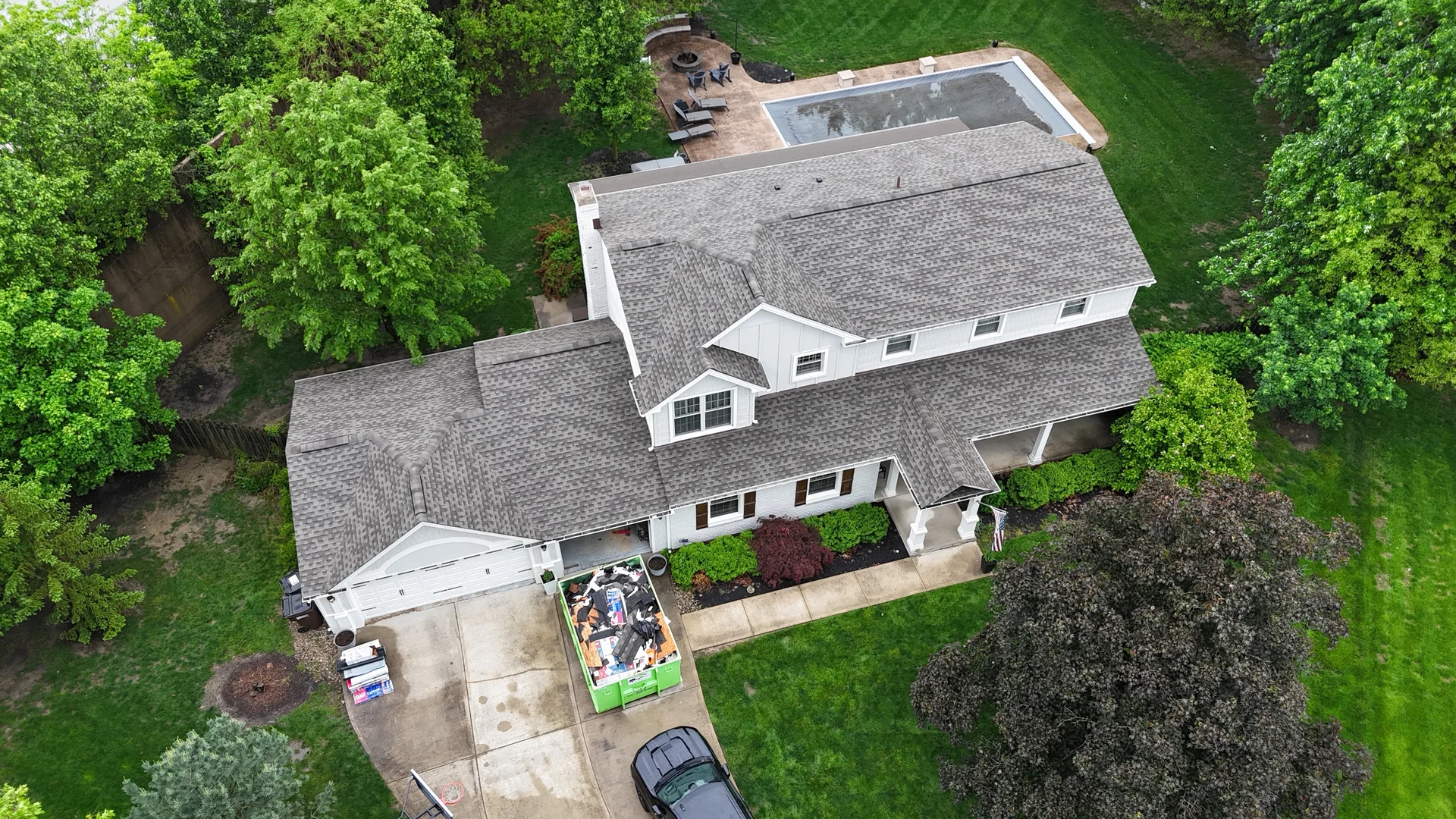
The field shingles still had service life left in them, so the roof was not replaced. The metal vent came off, a Lomanco vent went on in its place, and the ridge was closed back up with shingles matched to what was already on the roof. Cap shingles now run the full length of the peak between the dormers, and the plumbing vent and vent cap nearby were reset into new shingles at the same time.
What the homeowner has is a dry ridge and the remaining years of a roof they had already paid for. When the field does come due, that will be its own decision, made on its own schedule.
The leak on this Centerville home was coming in at the peak. A metal ridge vent ran the length of the ridge, and that vent — not the shingles on either side of it — was where water was getting into the house.
The field shingles still had service life left in them, so the roof was not replaced. The metal vent came off, a Lomanco vent went on in its place, and the ridge was closed back up with shingles matched to what was already on the roof. Cap shingles now run the full length of the peak between the dormers, and the plumbing vent and vent cap nearby were reset into new shingles at the same time.
What the homeowner has is a dry ridge and the remaining years of a roof they had already paid for. When the field does come due, that will be its own decision, made on its own schedule.
Technical Discussion
The field was fine. The vent was not.
A leak gets quoted as a roof more often than it should. Some of that is habit and some of it is that a full replacement is the safer recommendation to make — nobody gets a callback on a roof they replaced. But a roof is not one thing with one lifespan. It is a shingle field plus a set of components that live on top of it, and those components almost always wear out first. Pipe boots, step flashing, ridge vents: none of them are built to last as long as the shingles they sit in, and replacing a whole roof because one of them failed is like replacing a car because the battery is dead.
A metal ridge vent is a good example of the pattern. To ventilate a ridge you cut a continuous slot through the sheathing at the peak, which is to say you deliberately open the roof along its entire top edge, and then you cover that opening with something that lets air out and keeps weather from coming in. A metal vent does that with baffles, end closures and a row of fasteners into the ridge. It works until the fasteners back out, the metal lifts or buckles in the heat, or the closures at the ends open up. Then wind-driven rain and blowing snow have a clear path to a slot that runs the length of the house, and the water lands in the attic rather than on the roof. The shingles either side never had anything to do with it.
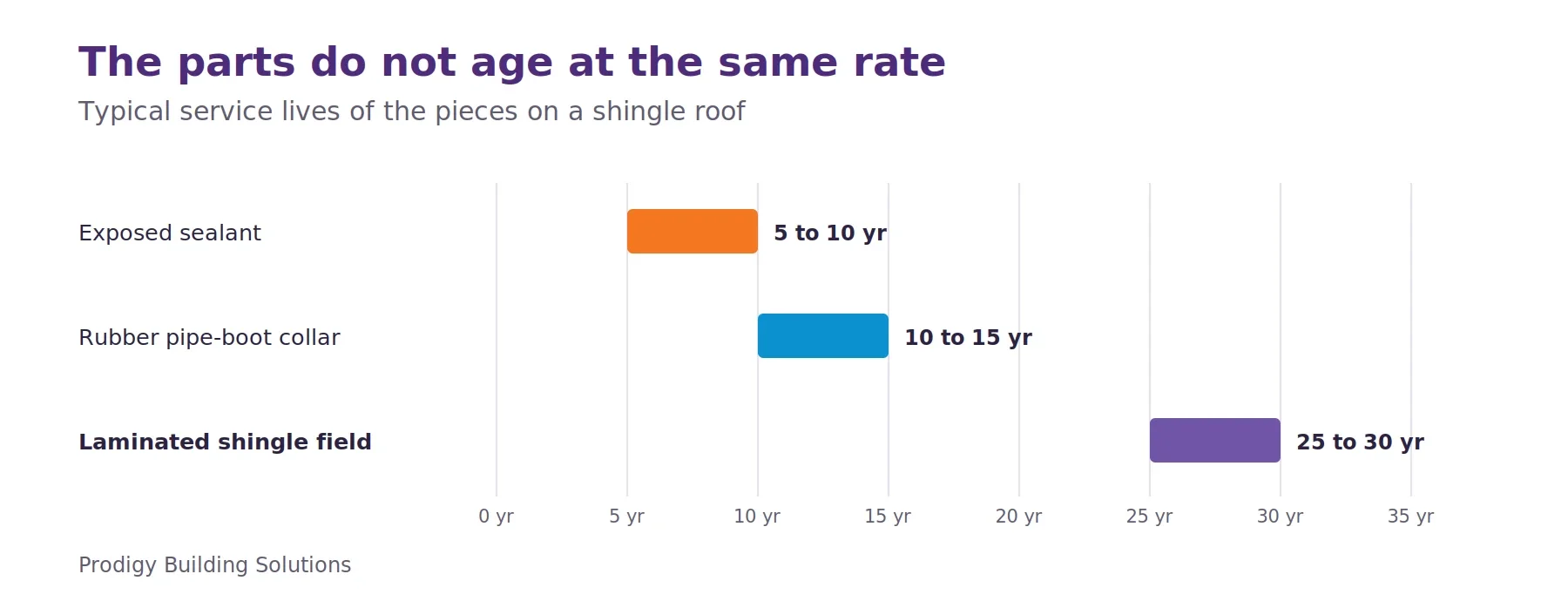
Figure 1 — When a short-lived part fails on a long-lived roof, the repair is the part.
The lifespans are not close. A laminated asphalt shingle field commonly lasts 25 to 30 years. The rubber collar on a pipe boot hardens and splits in about 10 to 15. Exposed sealant is good for 5 to 10 years at best. A metal ridge vent fails when its fasteners back out or its end closures open, which depends on how it was installed more than on time. Replacing a 25-year roof because a 10-year part failed at year 12 spends the other 13 years of the shingles for nothing.
Three things have to be true before a targeted repair like this one is the right call instead of the cheap call. The field has to have real life left — shingles still flexible, granules still there, tabs still sealed, no soft spots underfoot in the deck. The failure has to be one component rather than the first sign of a pattern, which means somebody has to go up and look at the other penetrations too, not just the one that is leaking. And you have to be able to buy shingles that match.
That last one decides more repairs than people expect. Shingle lines get discontinued, color blends drift between production runs, and a roof that has been in the sun for a decade no longer matches even a perfect factory match. On a ridge you get some grace, because cap shingles sit at the top of the roof where the eye reads a line rather than a plane. In the middle of a slope facing the street, the same mismatch is a stripe you will look at every time you pull into the driveway, and at that point a repair that works can still be the wrong answer.
The practical version for your own house: before you accept a quote to replace a roof because of a leak, ask which component failed and what condition the field is in. Sometimes the answer really is the whole roof. When it is not, you should be given the choice.