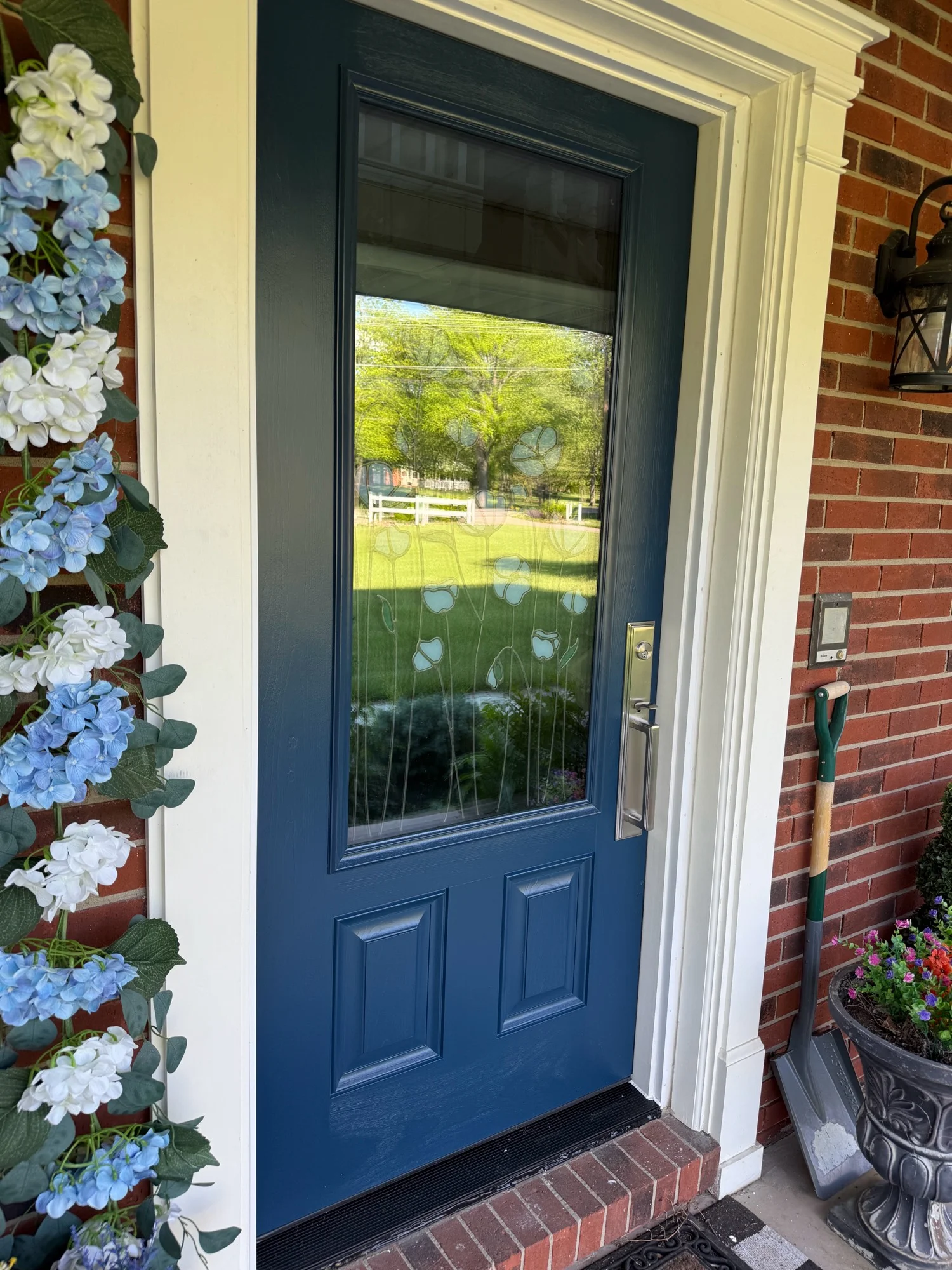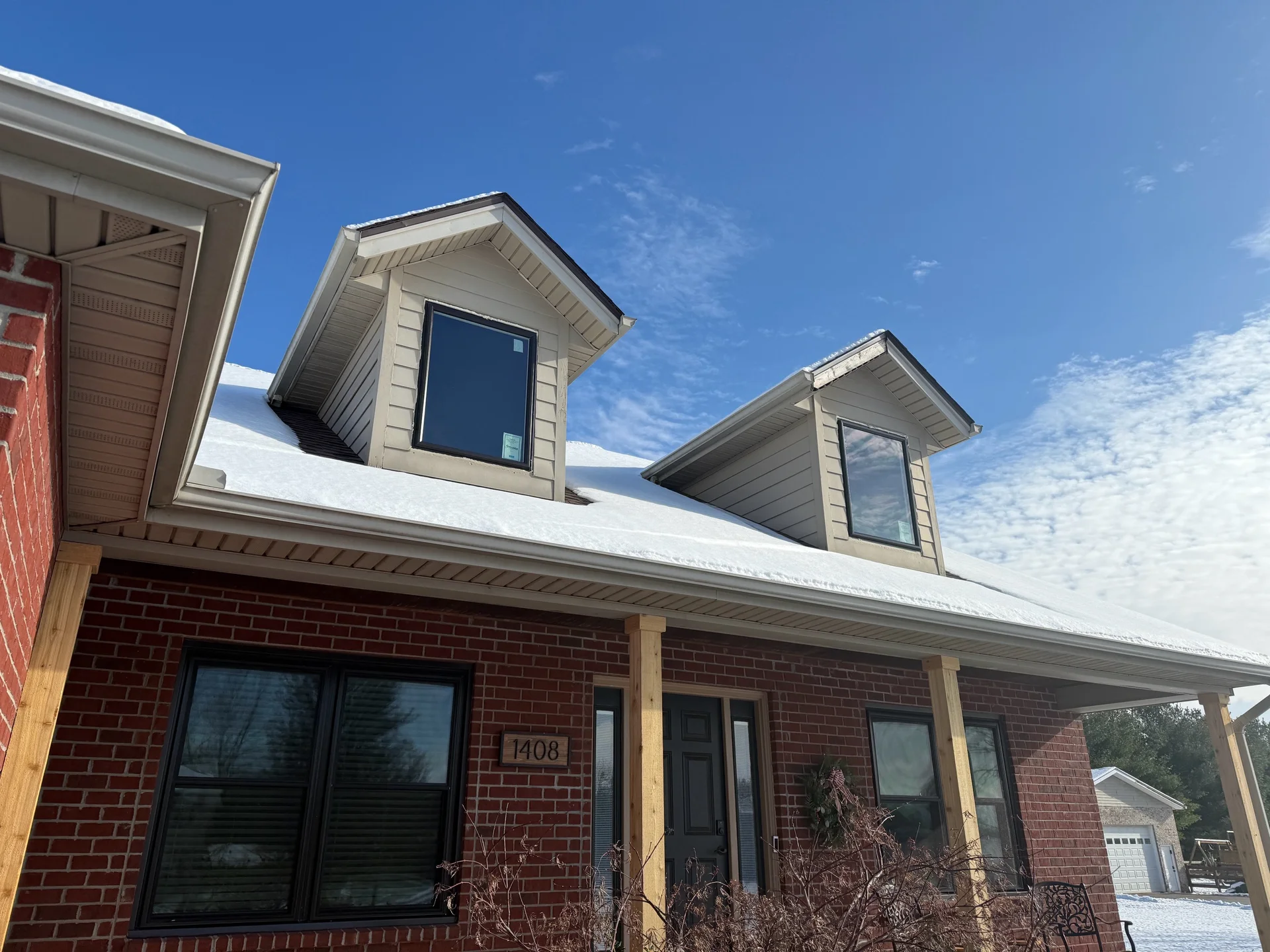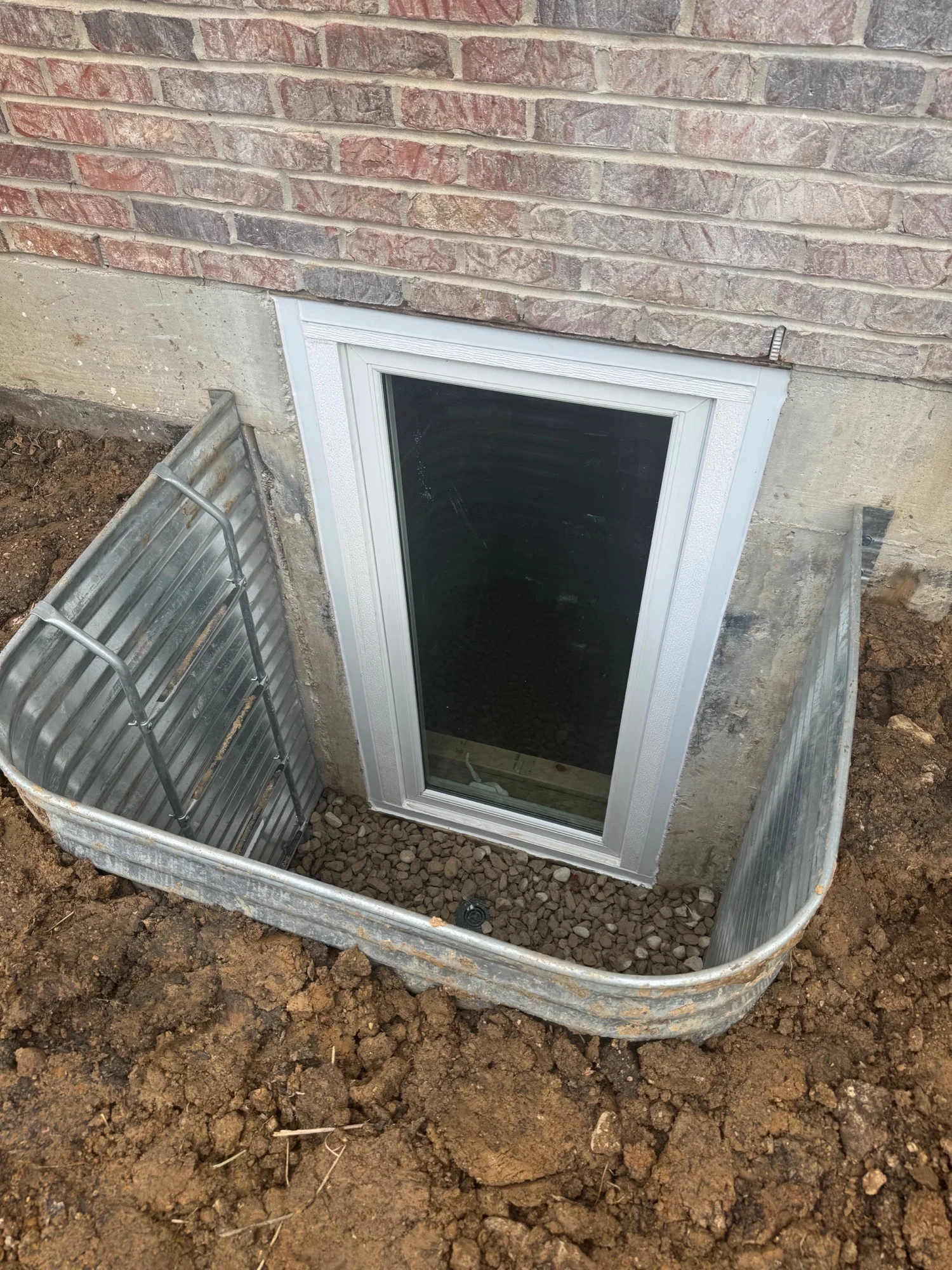

A video commercial of a Prodigy customer starting with an in-home consultation, moving to install then showing the finished windows.

Windows Built to Your Opening, Not Off-the-Shelf

Every window custom-sized to your home's rough opening at off-the-shelf pricing, leveled and foam-sealed by our installers, then inspected one by one by a separate quality-control team.

The Window Is Half the Job. The Install Is the Other Half.

Windows are responsible for roughly 25–30% of the heating and cooling energy a typical home uses, according to the U.S. Department of Energy — so replacing them is one of the few upgrades you can feel on the thermostat and the utility bill. Yet most of the industry sells windows the way it sells mattresses: buy-two-get-one promotions, "50% off" list prices nobody pays, and a quote that changes depending on the day you sign. Prodigy Home Pros does it differently. One upfront price, a window custom-sized to each opening in your home, an installation method built around leveling, low-expansion foam, and sealed trim, and a quality-control inspection of every unit by someone who didn't install it.

Bright transitional family room in West Chester, Ohio, featuring three white grid-pattern replacement windows overlooking a landscaped backyard with mature trees and a swing set.

Why Cincinnati Homeowners Choose Prodigy Home Pros for Windows

  • Custom-sized at off-the-shelf prices. Our field installer measures every opening before anything is ordered, and each window is built to that measurement. Because of how we purchase, a made-to-fit window costs you what a stock size would elsewhere — and a window that fits its opening is the first requirement of a tight install.

  • Upfront pricing, no gimmick math. No buy-two-get-one, no "today-only" discount, no list price invented to be marked down. You get one number for the whole job, and it doesn't move.

  • An install method most crews skip. After the frame is fastened we plumb, level, and square it, then balance the sash so it operates without binding. The gap around the frame is filled with low-expansion, heat-transfer-limiting foam instead of stuffed fiberglass, and the exterior is finished with custom-bent aluminum trim and sealant so weather never reaches the framing.

  • A separate quality-control team. After installation, a QC inspector who was not on the install crew checks every window in the project — the unit itself and the workmanship — before we call the job done.

  • The right window, not the biggest name. Our technical team compares windows on what's inside them — frame construction, glass package, spacer, hardware, NFRC ratings — and recommends what your home needs. In most cases a ProVia window performs on par with the national brands at a lower price; when a project calls for Andersen, Pella, or another brand, we install that instead. You pay for performance, not a logo.

  • ENERGY STAR certified, with lifetime warranties explained plainly. The windows we install are ENERGY STAR certified for our climate zone. The ProVia lines we install most carry a lifetime limited warranty that includes glass replacement for accidental in-home breakage (when uninsured or within your deductible), on top of seal-failure and hardware coverage; Vinylmax carries a transferable lifetime limited warranty on frames and glass. We'll show you exactly what each covers before you pick.

  • Updates from order to install. Custom windows take time to build. We tell you when your order enters production, when it ships, and when your install date is set — so the transformation starts on a day you chose, not a day you guessed.

Technical Discussion on Windows

The Gap Nobody Explains: Two Homes, Same Window, Different Result

Here is something the window industry rarely says out loud: the window you're comparing on the showroom floor is the same window the crew down the street installs. Glass packages, frames, and hardware are made by a handful of manufacturers, and most reputable companies in Greater Cincinnati sell products of similar quality. What varies — enormously — is what happens in the four hours between the old window coming out and the new one being trimmed.

The myth: if the window has a good energy rating and a lifetime warranty, the result is guaranteed.

The reality: the rating on the label was measured in a lab with the window sealed perfectly into a test frame. In your wall, the rough opening is intentionally larger than the window so the frame can be shimmed level. That gap — usually a quarter to half an inch on every side — is where drafts, water, and noise come in when it's left empty, stuffed with fiberglass (which stops neither air nor water), or filled with a high-expansion foam that bows the frame and jams the sash. A window that isn't plumb and level will never lock cleanly, and every manufacturer's warranty excludes damage from improper installation — which means a bad install can void the product warranty you were counting on.

That is why we say the products are great, but the install is the driving force.

Comparison of the same replacement window with poor and proper installation, showing how gaps, insulation, foam, and a plumb, level frame affect drafts, water, noise, performance, and warranty coverage.

What Our Installers Do and Why They Do It

  • Field measurement, not catalog sizing. The installer measures width and height at three points each, checks the opening for square, and orders each window to that opening. A window that fits leaves a small, even gap that can be sealed correctly.

  • Attach, then true. The frame is fastened to the framing, then plumbed (vertical), leveled (horizontal), and squared (equal diagonals) using shims at the fastening points. Truing the frame after it's attached — rather than before, or never — is the step most often skipped, and it is why so many new windows bind, rattle, or won't latch a year later.

  • Balance the sash. On double-hung windows we adjust the balances so each sash glides and holds at any height with the same effort. You'll notice this every day for twenty years.

  • Low-expansion foam, not fiberglass. The perimeter gap is filled with a low-pressure, low-expansion window-and-door foam. It cures into a closed-cell air barrier that blocks convective heat transfer through the gap, resists water, and adds insulation — without exerting the pressure that ordinary expanding foam puts on a frame. Fiberglass insulation, still common in the trade, slows heat a little and stops air not at all.

  • Custom-bent aluminum trim and sealant. Exterior trim is bent on site from color-matched aluminum coil to wrap the existing frame and casing, then sealed. It sheds water away from the wall, covers wood that would otherwise need paint every few years, and gives the exterior a finished line.

  • Interior finish. Interior stops and trim are reinstalled or replaced, and the interior gap is sealed so the foam is the only thing between you and the outdoors.

Diagram of a properly installed replacement window showing the wall stud, low-expansion foam, shims, level and sash
Figure 2: Anatomy of a Prodigy window install — each layer and what it does.

What We Design and Install

  • Replacement windows in every common style: double-hung, single-hung, casement, awning, sliding, picture, bay and bow, and specialty shapes

  • ProVia, Vinylmax, Andersen, and Pella windows, plus other manufacturers when a project calls for them

  • Vinyl, composite, and fiberglass frames, with wood-look interior finishes and dozens of exterior colors

  • Insulated glass packages: double- and triple-pane, Low-E coatings, argon fill, laminated glass for sound and security, obscure and tempered glass where code or privacy calls for it

  • Grids and grilles: colonial, prairie, and custom patterns, between-the-glass or simulated divided lite

  • Hardware: cam locks, auto-locks, sash limiters, and finish colors that match the frame

  • Full-frame or pocket (insert) installation, chosen per opening based on what our inspection finds

  • Patio and sliding doors, egress-compliant basement and bedroom windows

  • Exterior aluminum trim wrapping and interior trim repair

The Decisions You'll Make — and How We Help

Homeowners are often surprised by how many choices a window order carries. Most companies either make the choices for you (and charge for the ones you'd have declined) or hand you a brochure. We walk you through each one, in the order that matters.

  • Style and operation. Double-hung is the Cincinnati default, but casements seal tighter and open fully for ventilation, awnings work above sinks and in basements, and picture windows give the most glass per dollar where you don't need to open them. We look at each room's use, not just what was there.

  • Frame material. Vinyl offers the best value and never needs paint; composite and fiberglass cost more but stay stiffer in large openings and take dark exterior colors better. Your home's size of openings and color preference usually decide this.

  • Glass package. This is where energy savings live. Low-E coatings and argon fill are standard on nearly everything we sell; the decisions are whether to add a second Low-E surface for south- and west-facing rooms, triple-pane or laminated glass for street-facing bedrooms where noise matters, and the U-factor and Solar Heat Gain Coefficient (SHGC) targets for your exposure. We'll point to the NFRC label numbers so you're comparing real ratings, not adjectives.

  • UV protection. Low-E coatings block most of the ultraviolet that fades floors, furniture, and artwork — the amount varies by coating, and we'll show you the rating for each option.

  • Color, inside and out. Exterior colors, interior woodgrain laminates, and the aluminum trim color all need to agree with your siding, roof, and interior trim. We bring samples to the house rather than asking you to pick from a screen.

  • Grid pattern. Grids change the character of a house more than any other option. Between-the-glass grids are easiest to clean; simulated divided lites look most like traditional windows. Or none — many homes look larger without them.

  • Locks, screens, and hardware. Lock type and finish, full or half screens, tilt-in sashes for cleaning, and sash limiters for child safety.

  • Installation method. A pocket install keeps your existing frame and interior trim; a full-frame install removes everything to the studs. We recommend full-frame when the inspection finds rot, water damage, or an original frame that's out of square — and pocket when the frame is sound and you want to preserve interior woodwork.

Why Our Process Beats the Showroom Sale

The typical window sale in this market runs on four mechanisms. We'll describe each plainly so you can spot them.

1. The promotional price ladder. A window is assigned a "list" price far above what anyone pays, then discounted through stacked promotions — buy-two-get-one, a seasonal percentage off, a same-day signing bonus. The final number often lands near what an upfront quote would have been, but the path there is designed to be confusing and to pressure a decision on the first visit. We publish one price for the job. It's the same price tomorrow.

2. Design that never reaches the installer. In many companies the person who measures and sells is not the person who installs, and the installer never sees the notes from your kitchen table. Details — full-frame here, tempered glass there, trim color — get lost, and nobody checks the finished window against what was sold. Our field installer takes the measurements, the order is built from those measurements, and a separate QC inspector checks each window against what you were promised.

3. Paying for the name on the box. Big-brand windows are good windows, and we sell them when a project needs them. But a brand name is not a specification. Two windows with the same glass package, spacer system, frame construction, and NFRC ratings will perform the same in your wall regardless of the label — and the one from a well-built regional manufacturer often costs meaningfully less. Our technical team reads the spec sheets so you don't pay a premium for marketing.

4. Stock sizing sold as "custom." Some quotes are built on standard sizes, with the difference between the stock window and your opening made up with filler strips and trim. Filler strips are extra joints, and extra joints are extra places for air and water. Because we buy custom sizes at stock-size pricing, every window is built to the opening — there is no filler to sell you and no gap to hide.

Whiteboard-style cartoon infographic on a blue background comparing a typical window showroom sale with the Prodigy process, showing pricing tactics, handoff problems, brand-name markups, and stock sizing versus Prodigy’s straightforward pricing, installer-led measurement, specification-based selection, and custom-fit windows..webp

Our Process

  1. Inspection, not a sales pitch. We inspect every existing window for seal failure (fog between panes), air leakage, sash movement and balance, water damage in the sill and frame, and the glass package you have now. You get a room-by-room report of what's failing and what's fine.

  2. Field measurement. Our installer measures each opening at multiple points and checks it for square, so every window is ordered to its opening.

  3. Selection. We work through style, frame, glass package, color, grids, and hardware with samples in your home, and show you the NFRC ratings and warranty terms for each option side by side.

  4. Financing options. Every window project can be financed. We work with different financing partners depending on your city, so we'll walk you through the plans available for your address before you commit to anything.

  5. One upfront price. A fixed-price proposal for the whole job — windows, install, trim, haul-away, and warranty — with no promotional ladder to climb.

  6. Production updates and install day. We tell you when your windows enter production, when they ship, and when your install date is set. On install day the crew removes the old units, fastens and trues each frame, balances the sash, foams the perimeter, and wraps the exterior in custom-bent aluminum trim. Most homes are completed in one to two days depending on window count.

  7. Quality-control inspection and warranty walk-through. A QC inspector who was not on the install crew checks every window — operation, lock engagement, level, foam and sealant, trim, glass, and screens — and walks you through your manufacturer warranty and how to reach us if anything ever needs attention.

Frequently Asked Questions

How much can new windows save on energy bills? ENERGY STAR reports that replacing single-pane windows with ENERGY STAR certified windows lowers household energy bills by an average of up to 13% nationwide, and the Department of Energy attributes 25–30% of home heating and cooling energy to window heat gain and loss. Your actual savings depend on what you're replacing, your glass package, and — critically — whether the perimeter gap is sealed. That last part is why we foam and inspect every unit.

Are custom-sized replacement windows more expensive than standard sizes? They usually are, but at Prodigy Home Pros they aren't: we purchase custom-sized windows at the same price as stock sizes, so every window we install is built to its opening. A window that fits leaves a small, even gap that seals correctly, with no filler strips.

Should I choose a full-frame or pocket (insert) window replacement? Choose full-frame when the existing frame is rotted, water-damaged, or out of square; choose a pocket install when the frame is sound and you want to keep interior trim. Our inspection looks at each opening individually — many homes end up with a mix.

What is the difference between double-pane and triple-pane windows? Triple-pane windows add a third layer of glass and a second insulating air space, which lowers the U-factor and cuts noise noticeably. They cost more and weigh more, so they make the most sense on street-facing rooms and in large openings; for most Cincinnati homes a double-pane unit with Low-E coatings and argon fill delivers most of the benefit. We'll show you the NFRC ratings for both.

What does a lifetime window warranty actually cover? A manufacturer's lifetime limited warranty typically covers the frame, insulated glass seal, and hardware against defects for as long as the original owner lives in the home, with specific terms for glass breakage and transfer to the next owner. ProVia's warranty, for example, includes glass replacement for accidental in-home breakage when the loss is uninsured or within your deductible; Vinylmax covers accidental breakage for the first year and stress cracks for life. Manufacturer warranties exclude improper installation, which is why our install method and QC inspection matter as much as the paperwork.