
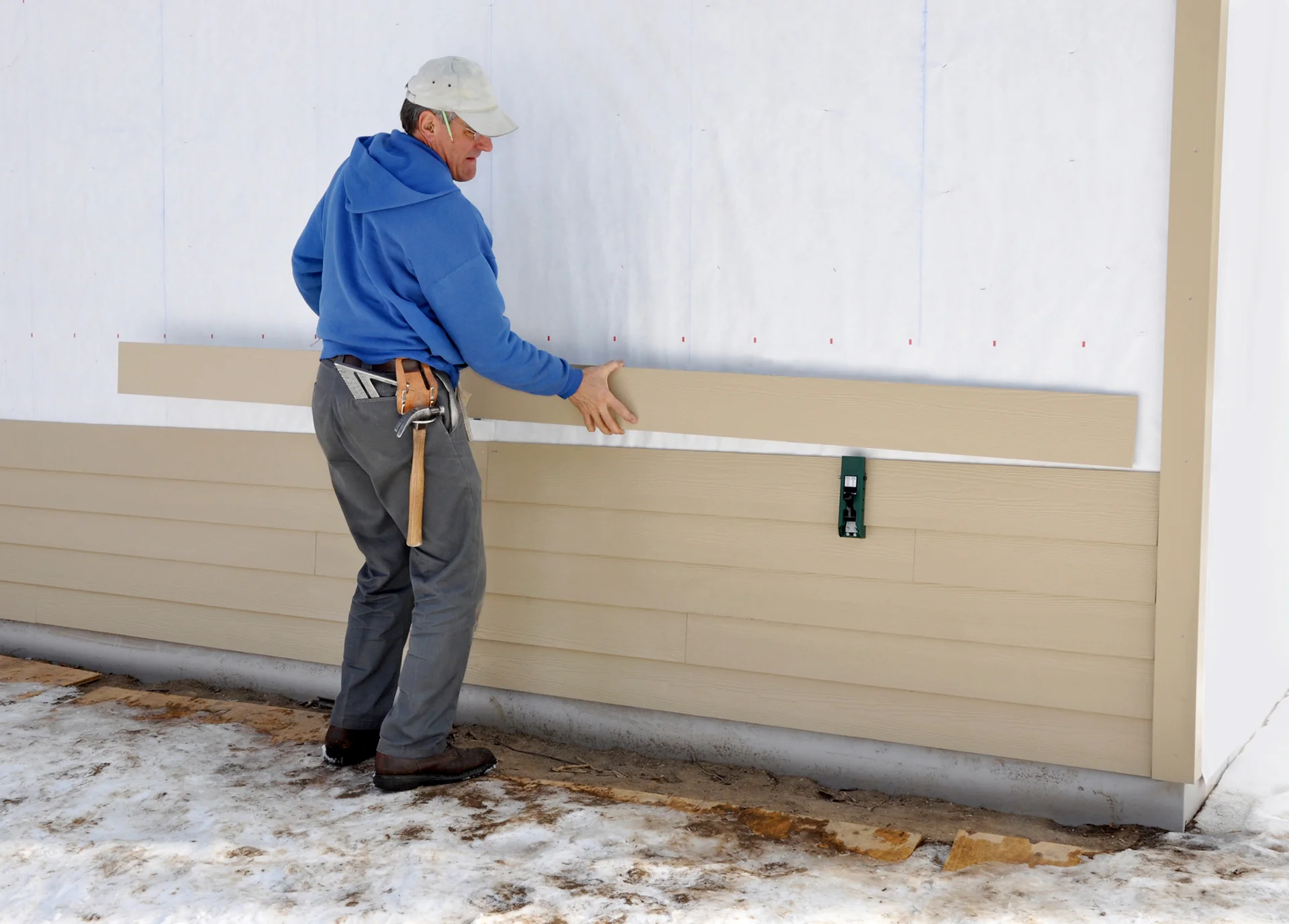
Siding Chosen for Your Home, Not Pulled From a Sample Board
Vinyl, insulated, wood, fiber cement, and composite — matched to your house by a team trained on each one, previewed in color on a photo of your own home before you sign, and backed by manufacturer warranties that transfer to the next owner.
Most Siding Quotes Start With the Product. Ours Start With the House.
Siding is the largest single design decision most homeowners ever make, and most quotes skip it: a rep measures the walls, prices the one product line they carry, and hands you a color chart. Prodigy Home Pros works the other way around. We start with what you want the project to do — a new color, a modern profile, more insulation on an older house, or a storm-damage claim — then match the siding type to the home, render your color and trim choices on a photo of your actual house, and manage the job from consultation through final walk-through.

Why Cincinnati Homeowners Choose Prodigy Home Pros for Siding
Trained on all four siding types, not sold on one. Vinyl, insulated vinyl, fiber cement and composite each have real advantages and real limits. Our team knows both sides of every one and helps you pick the material that fits your house, your budget, and how long you plan to stay.
See the finished color on your own home before you decide. Our design visualizer renders siding, trim, and door colors on a photo of your house, so you compare combinations on your walls, not on a 3-inch sample chip.
Warranties that follow the house, not just you. Our insulated siding lines carry the manufacturer's Double Lifetime Limited Warranty: lifetime coverage for you, and full (not prorated) coverage for the next owner when you sell. Fiber cement carries a 30-year non-prorated, transferable substrate warranty plus a 15-year finish warranty.
Insulated siding for the houses that are hardest to insulate. Older Cincinnati homes with plaster walls or no wall cavity insulation can gain a continuous foam layer on the outside, without opening a single interior wall.
Insurance-claim projects handled start to finish. When hail or wind damage is involved, we document the damage, work with your adjuster, and complete the replacement so you are not the go-between.
Several manufacturers, not a house brand. We most often install Haven® and CraneBoard® insulated siding and James Hardie® fiber cement. Because we carry more than one line, the recommendation is driven by your home rather than by the product a company has to move.
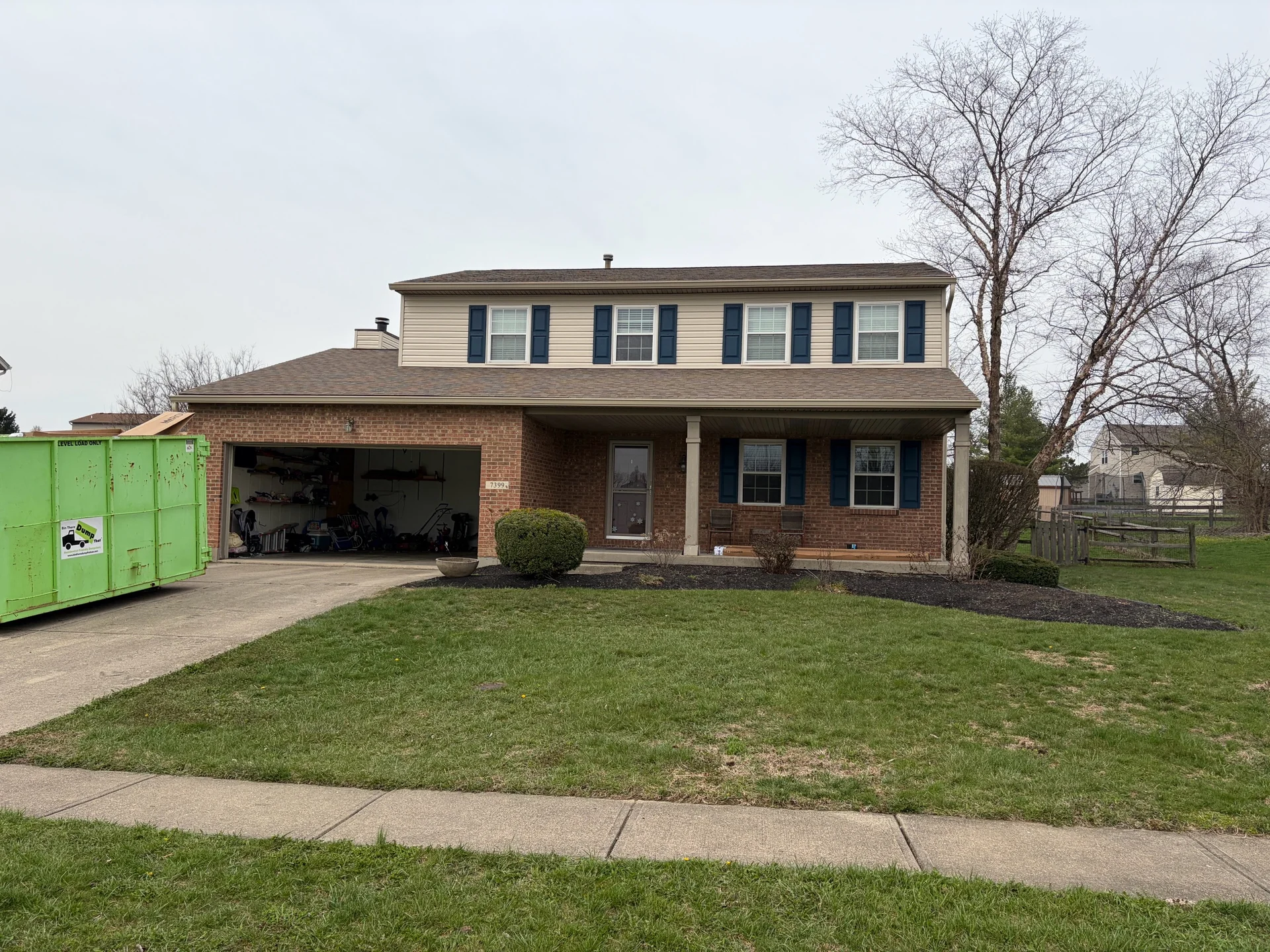
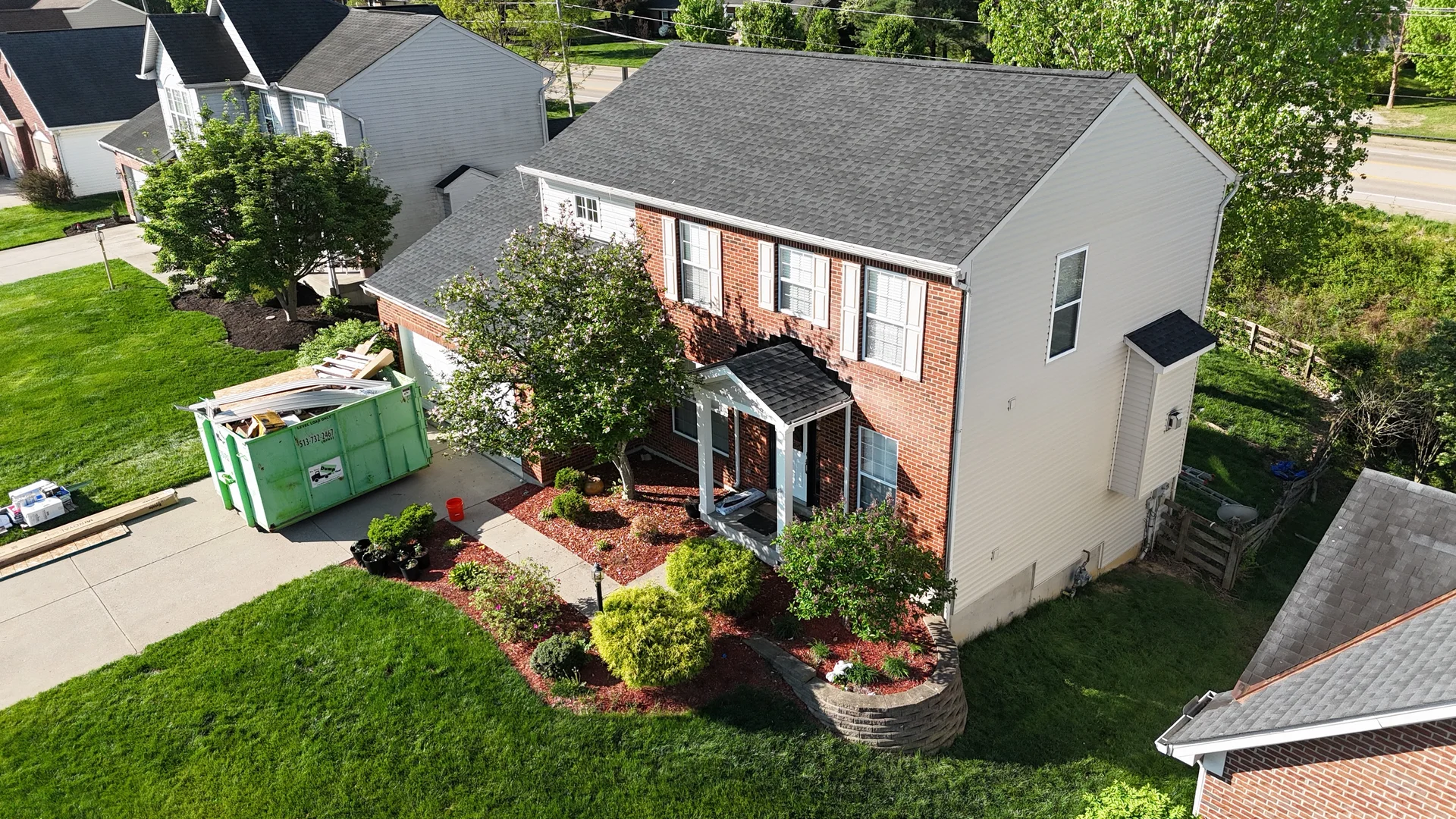
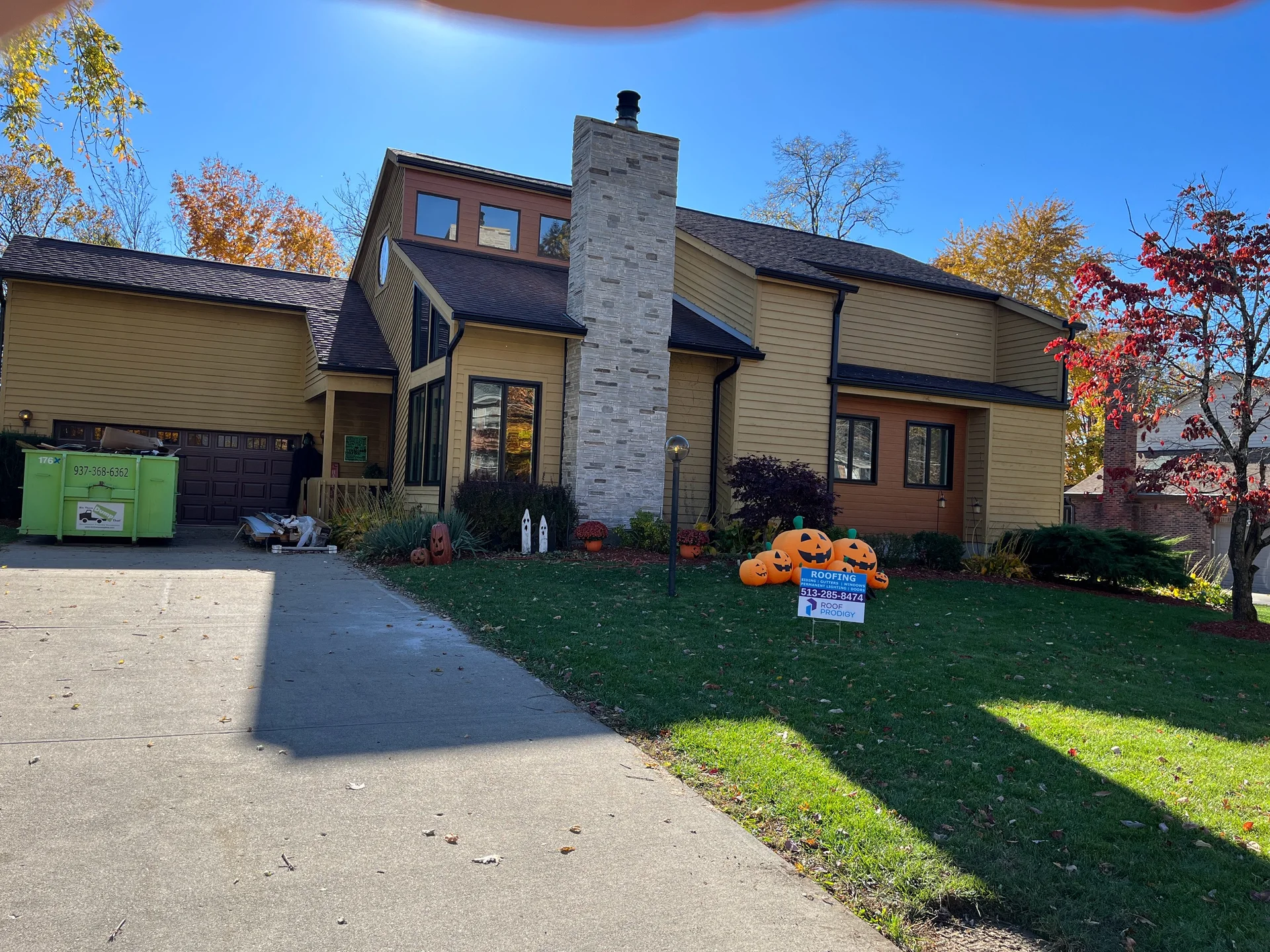
Siding Technical Discussion
The Gap Nobody Explains: A Siding Quote Is a Design Decision Disguised as a Price
Here is how most siding replacements are quoted. A rep measures the square footage of the walls, counts windows and doors, and prices the one or two product lines the company carries. The color choice comes last, from a printed chart or a handful of sample chips, usually at the kitchen table. The homeowner is asked to commit tens of thousands of dollars to a color they have seen at the size of a credit card.
The reality: siding is the only exterior product where the design decision is bigger than the product decision. A house with a full-height gable, a bay, and a porch reads completely differently in a light double-lap with dark trim than in a mid-tone board-and-batten with matching trim — and the difference is not visible on a chip. The material choice matters too, but it depends on questions most quotes never ask: How old is the house? Is there insulation in the walls? Is the current siding failing, or just dated? Is an insurance claim involved? How long are you staying?
We reverse the order. The consultation starts with the goal for the home. We narrow to the siding type that fits, then use our design visualizer to render color, trim, and accent choices on a photo of your house so you can compare them side by side before the proposal is written.

Vinyl, Insulated, Fiber Cement, or Composite: How the Choice Really Gets Made
Every siding type is a trade between cost, maintenance, appearance, and thermal performance. The short version:
Vinyl is the most affordable and never needs paint. Modern lines come in deep, fade-resistant colors and profiles that mimic wood clapboard, shake, and board-and-batten. Its limits are panel rigidity (it can show wall imperfections) and lower impact resistance than fiber cement.
Insulated vinyl bonds a contoured foam backer to the panel. That adds rigidity, straighter lines, quieter walls, and a layer of continuous insulation — manufacturers typically report roughly R-2 to R-3 or more for the panel itself, versus a negligible value for hollow vinyl. On an older home without wall insulation, it is often the only practical way to add R-value without opening the walls.
Fiber cement is a cement-and-cellulose board that resists fire, insects, rot, and hail, holds paint for years, and carries the most authentic wood look. It is heavier, costs more to install, and needs a crew trained on its cutting and fastening requirements. Nationally, fiber cement siding replacement recouped over 100% of its cost at resale in the 2025 Cost vs. Value report — one of the few exterior projects to do so.
Composite (engineered wood or polymer) offers a wood look with lower maintenance than real wood and lighter weight than fiber cement. It sits between vinyl and fiber cement on price and is a strong fit for accent areas and gables.
Those figures are starting points. The right answer for your house depends on the wall condition, the existing insulation, and the look you are after — which is exactly what the consultation determines.
The Lines We Install Most, and What Their Makers Claim
We are not a one-brand shop, but three lines come up on most Cincinnati projects. The claims below are the manufacturers' own, so you can check them against the product literature.
Haven® insulated siding (Westlake Royal Building Products). A contoured EPS foam backer bonded to the vinyl panel. The manufacturer rates it for winds up to 160 mph, states it reduces outside noise by up to 45%, and uses Chromatix™ color technology with infrared-reflecting pigments so dark colors run cooler and are warranted to fade less. It carries the Double Lifetime Limited Warranty described below. (Source: Haven product brochure, Westlake Royal Building Products.)
CraneBoard® Solid CoRe® siding (Westlake Royal Building Products). Built on a graphite-enhanced Neopor® foam core, which the manufacturer states is about 19% more efficient than standard white EPS at the same thickness, giving the panel a built-in R-value of roughly R-2.0 or better. Also rated to 160 mph and warranted against fade. (Source: CraneBoard product pages and dealer specifications, Westlake Royal Building Products.)
James Hardie® fiber cement. Non-combustible fiber cement engineered by climate zone ("Engineered for Climate®"), with a 30-year non-prorated, transferable substrate limited warranty and, on ColorPlus® Technology finishes, a 15-year limited finish warranty covering paint and labor against peeling, cracking, and chipping. (Source: jameshardie.com.) Read our article on Hardie fiber cement siding for the Cincinnati-specific case.
What "Double Lifetime" actually means. Westlake Royal's siding warranty covers the original owner for as long as they own the home and then extends full coverage to the second owner rather than prorating it, which is the part most competing warranties cut. It also warrants color fade to a tighter standard than most of the industry — as low as 3 Hunter units on premium and dark colors, where 4 units is common. (Source: Westlake Royal Building Products, "Always Read the Fine Print on Siding Warranties.") A warranty is a defect and fade promise, not storm insurance: check the hail language on your specific product before you count on it. [VERIFY: confirm hail coverage terms in the current Westlake Royal warranty PDF — the site blocked my fetch]

What We Design and Install
Full siding replacement in vinyl, insulated vinyl, fiber cement, and composite
Profiles including double lap, Dutch lap, board-and-batten, shake, and vertical panel
Insulated siding systems with contoured foam backers for older and under-insulated homes
Trim packages: window and door surrounds, corner posts, J-channel, frieze, and fascia wraps
Soffit and fascia replacement to complete the exterior
House wrap, flashing, and moisture management behind the siding
Accent areas: gables, bays, porch ceilings, and stone or shake accents
Partial replacement and storm-damage repair, including insurance-claim projects
Entry-door color coordination through the same design visualizer
The Decisions You'll Make — and How We Help
What is driving the project? A color change, a style update, energy efficiency, or storm damage each point to a different material and scope. We start here so nothing is over- or under-built.
Which siding type? We walk through the four options side by side on cost, upkeep, and performance for your house — including when the cheaper option is the right one.
Insulated or standard? If the house is older or the walls are hard to insulate, insulated siding often earns its premium. If the walls are already well insulated, it may not. We tell you which case you are in.
Color and trim. This is where most homeowners feel stuck. The visualizer lets you test body color, trim color, accent areas, and door color on your own house until the combination is right.
Profile and texture. Double lap, Dutch lap, board-and-batten, or a mix by story or gable — rendered before you commit.
Full or partial replacement? For storm damage, we help you understand what the insurance scope covers and whether a full replacement makes more sense than a patch that will never match.
How to pay for it. We offer financing, and the partner and programs vary by city and area. We walk through the options for your address at the proposal stage, not after. Contact us to see what applies to your home.
Why Our Process Beats Measure-and-Match
Three things separate a good siding job from an expensive disappointment, and none of them show up on a square-foot quote.
The design never reaches the installer. In many companies, the color and trim decisions are made at the kitchen table and passed to a crew through a one-line order. Details like trim width, corner style, and accent transitions get defaulted. We document every design selection from the visualizer in the proposal, and the same project manager who sat with you walks the job on site.
One product line, one answer. A company that carries one siding line will recommend that line for every house. Because our team is trained on vinyl, insulated, fiber cement, and composite, the recommendation can change with the house — an 1890s frame home with plaster walls gets a different answer than a 2005 build with a full insulation cavity.
Selling the right build as an upgrade. Some quotes start with a bare panel and add house wrap, trim wraps, insulation, and a real warranty as line items, which makes the correct job look like the expensive one. We quote the complete assembly your house needs, so there is nothing left to upsell on installation day.

Our Process
Consultation on the goal, not the product. We walk the home with you and learn what you want the project to accomplish — color, style, efficiency, or a storm-damage claim.
Inspection and material match. We check the existing siding, sheathing, moisture history, and wall insulation, then recommend the siding type that fits.
Design in the visualizer. Body color, trim, accents, profile, and door color rendered on a photo of your house. Revise until it is right; the selections print to a design report.
Financing options. We offer financing through partners that vary by area; we review the programs available for your address before the proposal is final. Contact us for current programs.
Fixed-price proposal. The complete assembly — wrap, flashing, trim, siding, and warranty — in one number, with every design selection attached.
Managed installation. A single project manager runs the job from tear-off to trim, including any insurance-claim coordination.
Walk-through and warranty. We inspect the finished exterior with you, register the manufacturer warranty, and hand over the documents you will need if you ever sell.
Frequently Asked Questions
What is the best siding for a house in Cincinnati? There is no single best siding; the right choice depends on the age of the house, its wall insulation, and how long you plan to stay. Fiber cement performs best against hail, fire, and insects; insulated vinyl adds R-value to older homes; standard vinyl is the lowest-cost, no-paint option. A consultation that starts with those questions produces a better answer than one that starts with a product line.
Is insulated siding worth it? Insulated siding is often worth it on older homes with little or no wall insulation, because it adds a continuous layer of foam to the outside of the house without opening the walls. It also makes panels stiffer and straighter and quiets the walls. On a newer, well-insulated home, the energy gain is smaller and standard vinyl may be the better value.
How long does siding last? Vinyl siding typically lasts roughly 20 to 40 years, and fiber cement roughly 50 years or more with periodic repainting. Composite falls in between. Warranty terms matter as much as lifespan — our insulated vinyl lines carry a Double Lifetime Limited Warranty that extends full coverage to the next owner, and Hardie fiber cement carries a 30-year non-prorated substrate warranty.
Does new siding increase home value? Yes. In the 2025 Remodeling Cost vs. Value report, fiber cement siding replacement recouped over 100% of its cost at resale nationally, and vinyl siding replacement has ranked among the top exterior projects in recent years. Actual return depends on the home and neighborhood.
Can I see what a siding color will look like on my house? Yes. Our design visualizer renders siding, trim, accent, and door colors on a photo of your own home, so you can compare combinations side by side before choosing. The selections are saved to a design report that becomes part of your proposal.