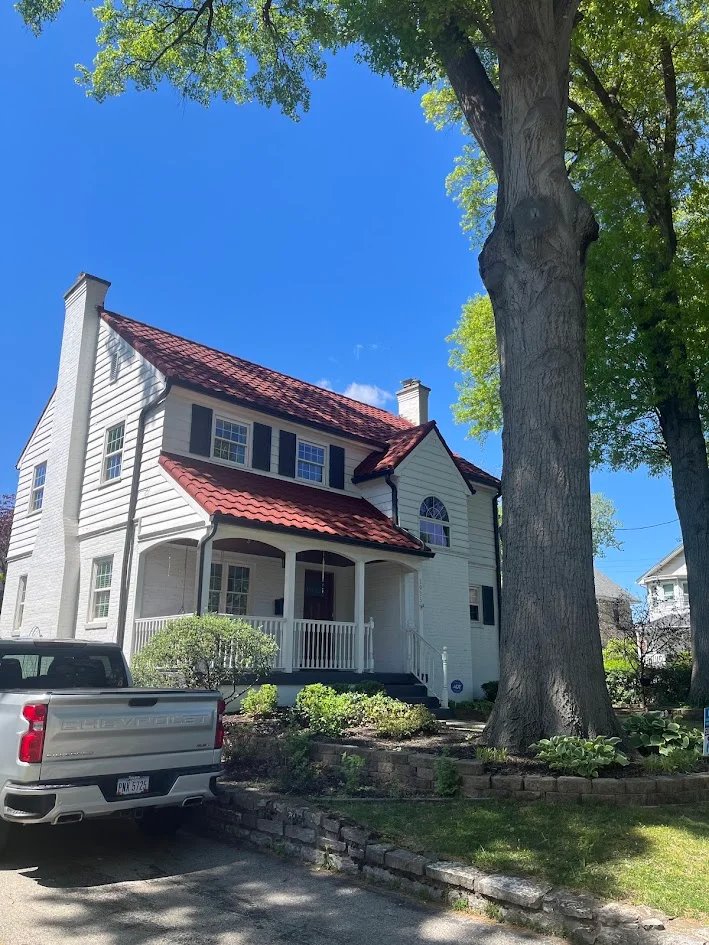
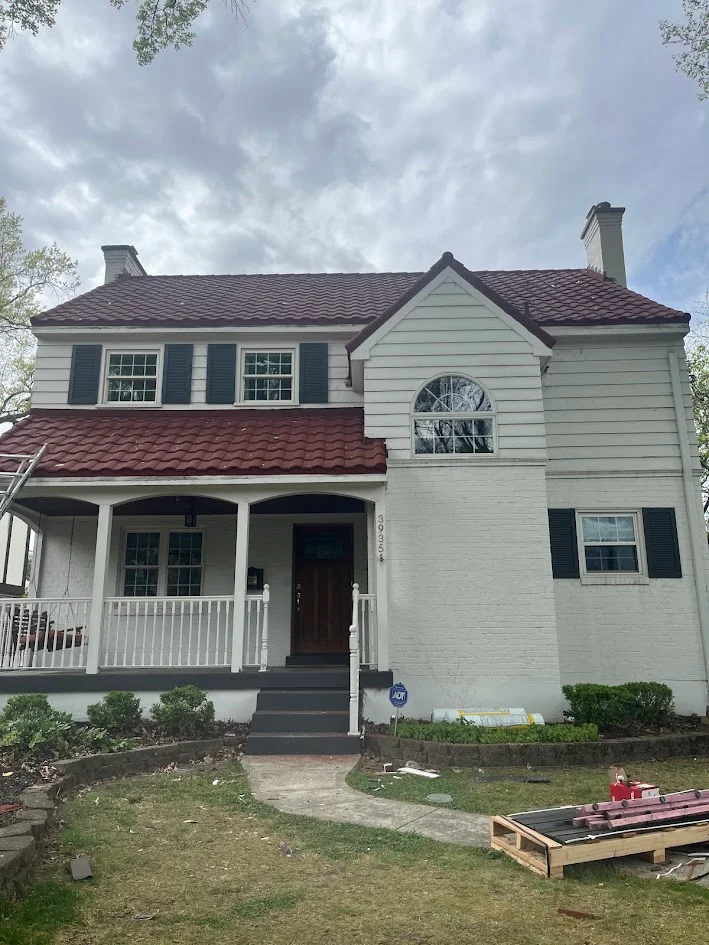
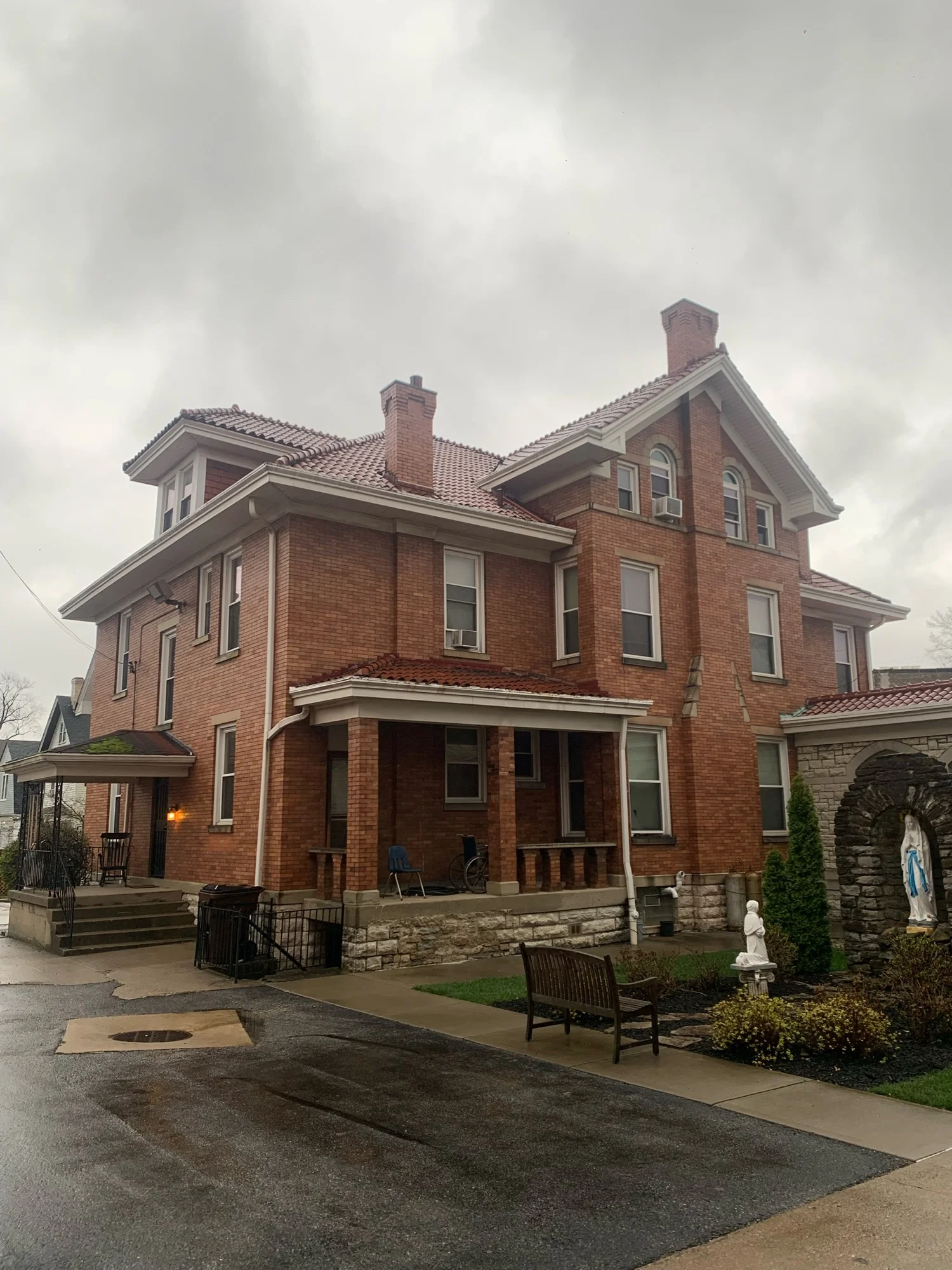
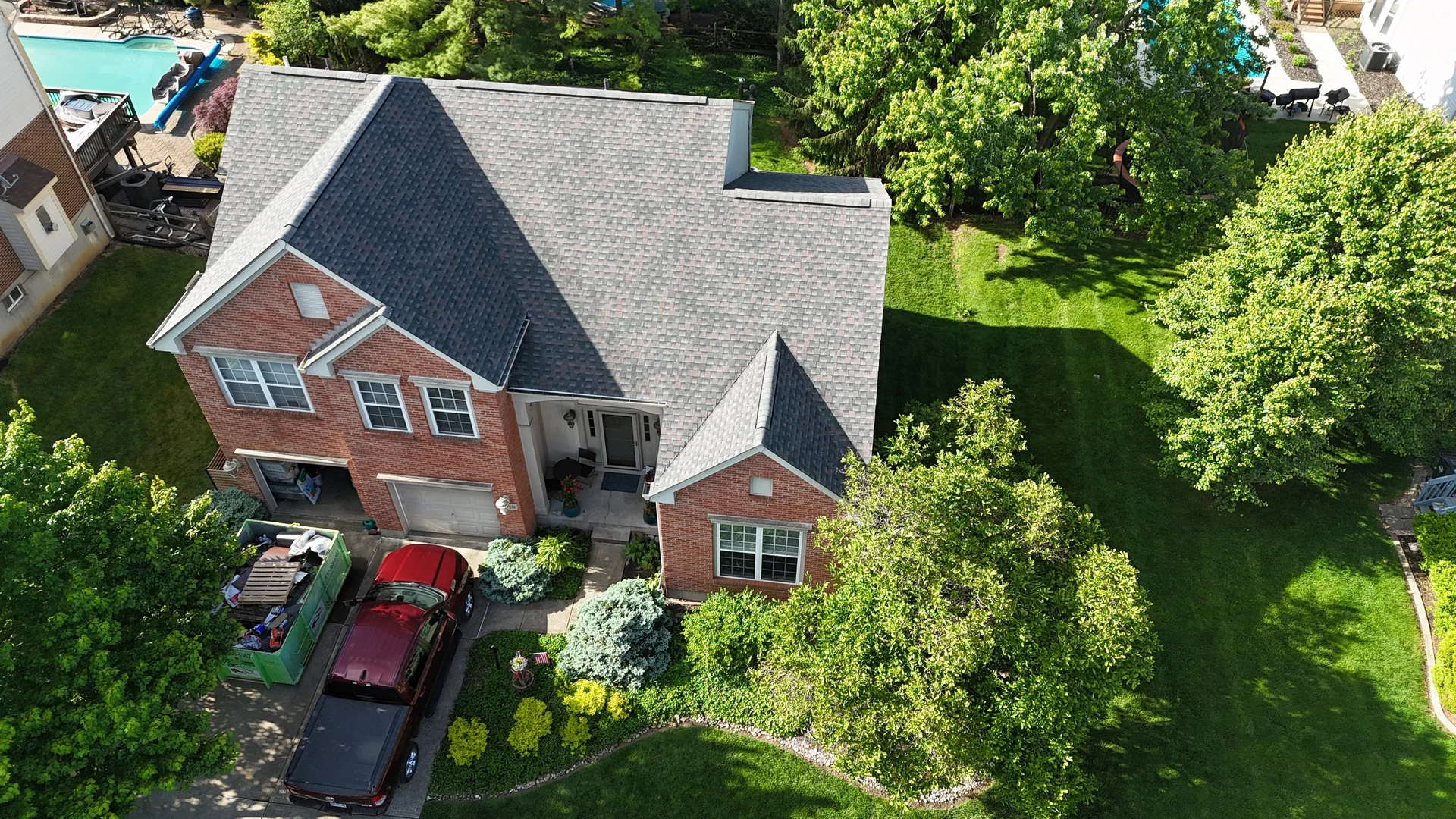
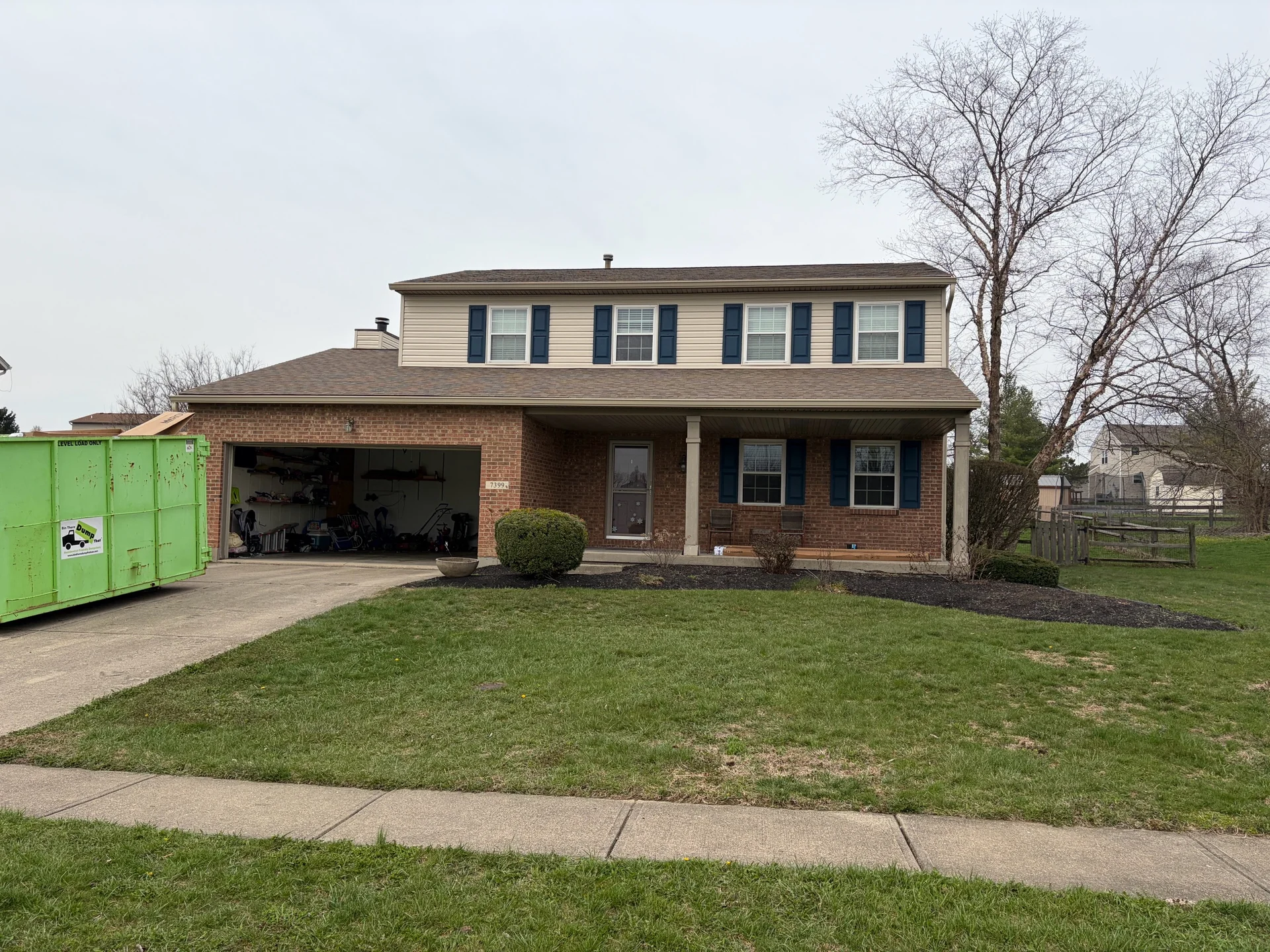
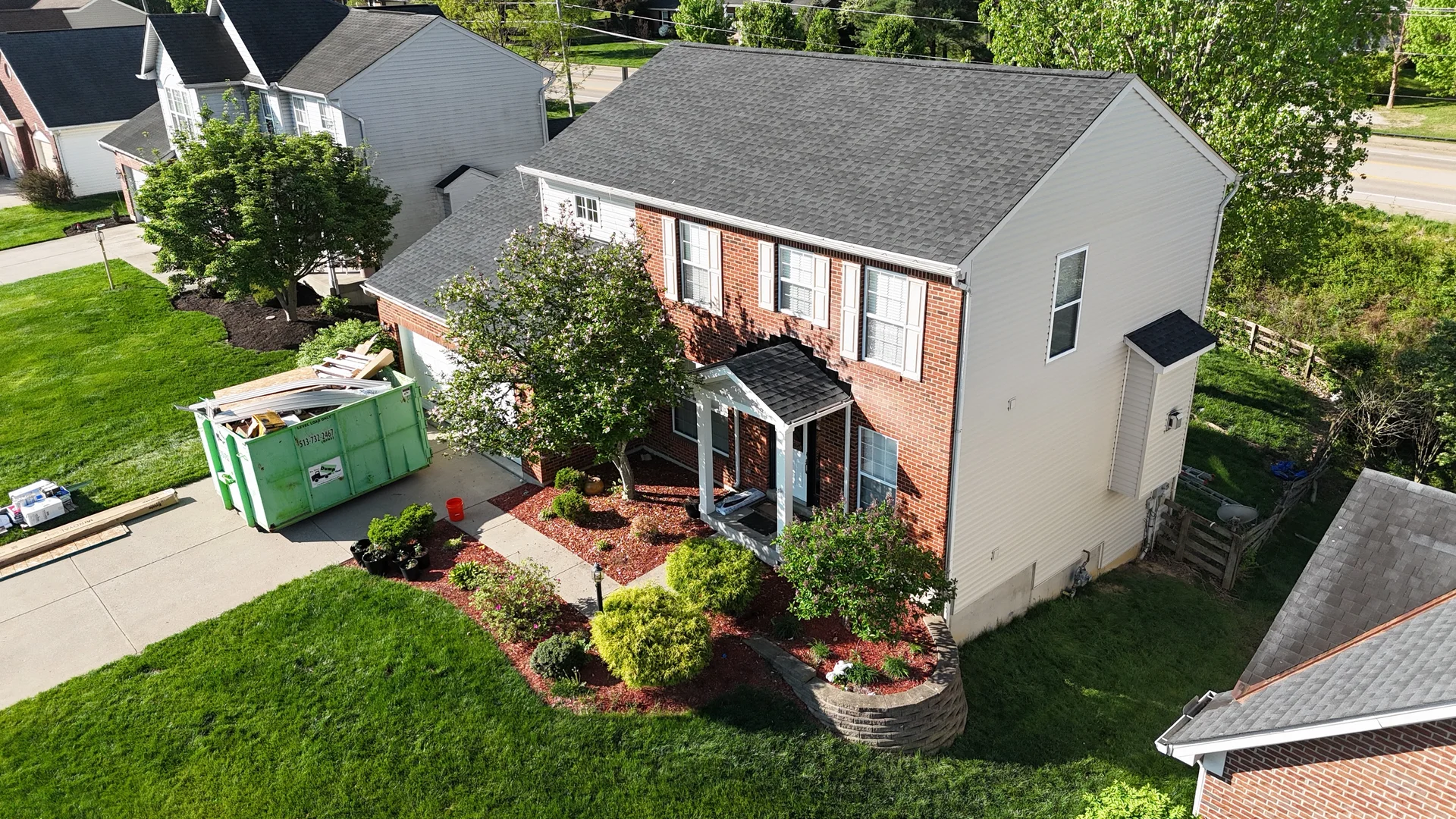
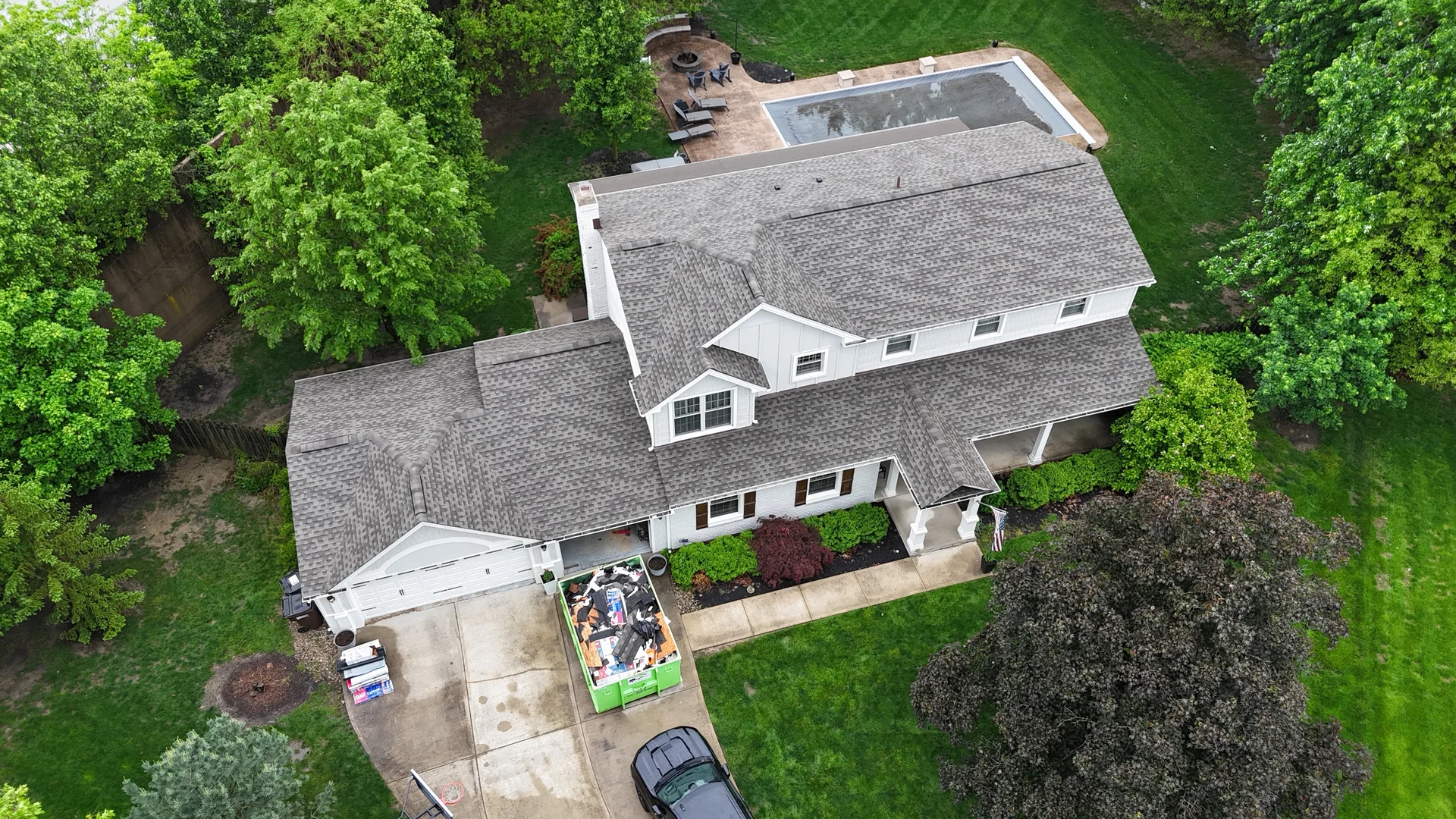
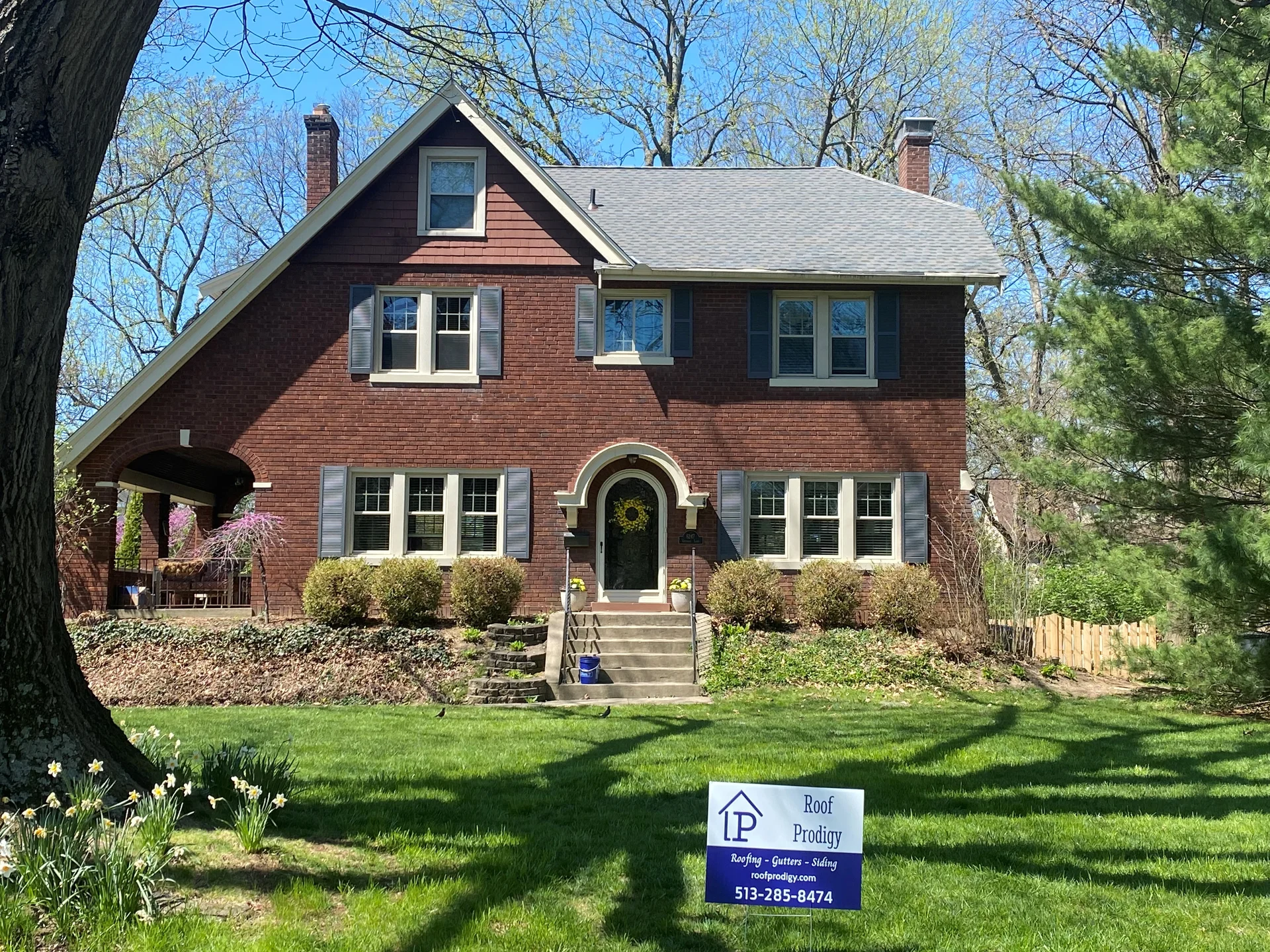
The ceramic barrel tile on this Oakley home was about ninety years old. The house had earned a good deal of its character from it — painted brick, an arched front window, and a porch roof that curves along under the same terracotta profile as the rest of the house. The homeowner's first concern was not the roof at all. It was that whatever came next should not turn the house into a different house.
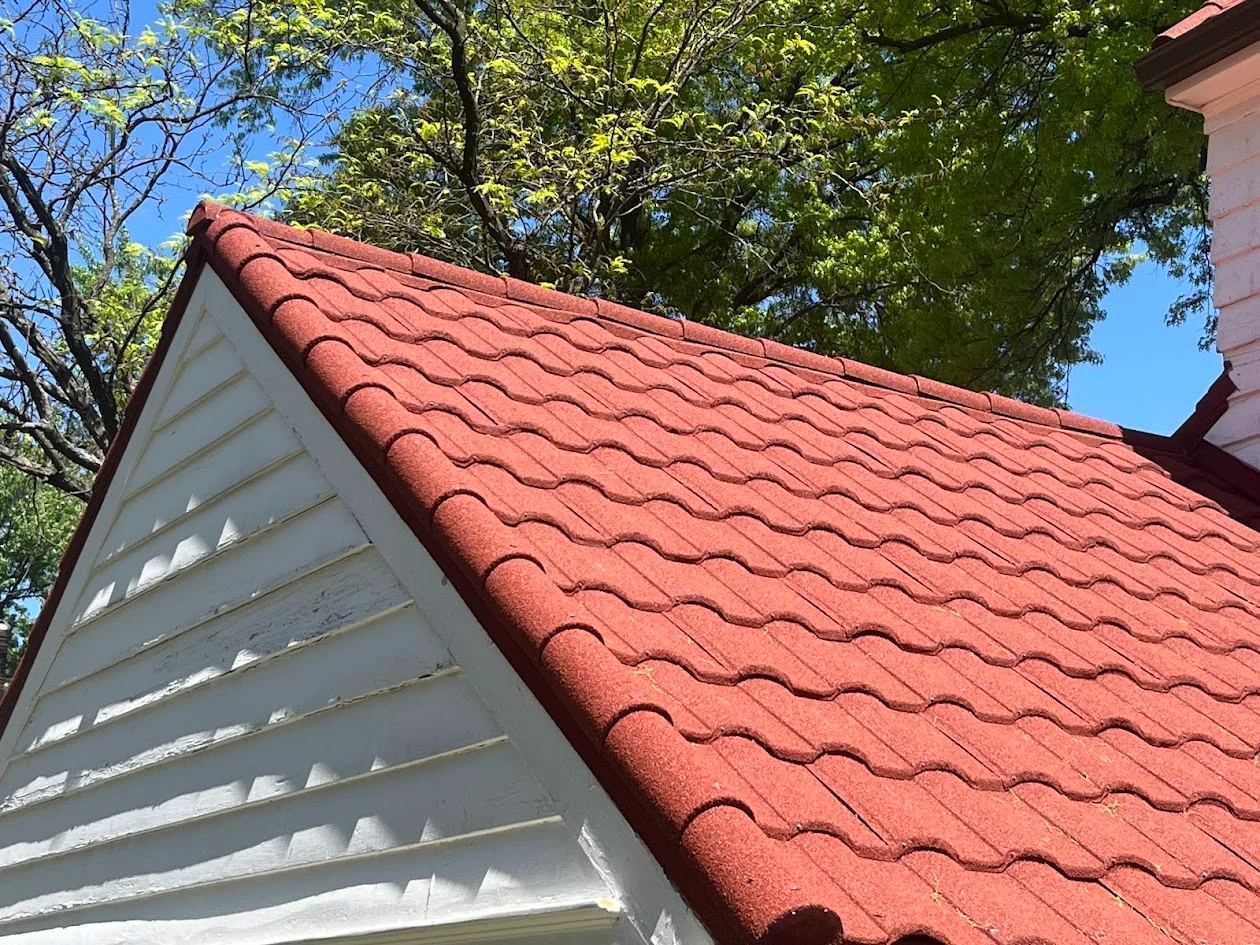
Tile that old rarely fails all at once, and it rarely fails on its own. What runs out is everything holding it up and everything underneath it. Rather than keep chasing repairs, the decision was to replace the roof and to replace it with a Spanish barrel vault product that keeps the same profile and the same terracotta color the house has always had.
From the street it reads as the roof that belongs on the house. The gable, the porch and the arches all carry the same barrel line they carried before, and the assembly under the tile is starting its life over instead of finishing it.
The ceramic barrel tile on this Oakley home was about ninety years old. The house had earned a good deal of its character from it — painted brick, an arched front window, and a porch roof that curves along under the same terracotta profile as the rest of the house. The homeowner's first concern was not the roof at all. It was that whatever came next should not turn the house into a different house.
Tile that old rarely fails all at once, and it rarely fails on its own. What runs out is everything holding it up and everything underneath it. Rather than keep chasing repairs, the decision was to replace the roof and to replace it with a Spanish barrel vault product that keeps the same profile and the same terracotta color the house has always had.
From the street it reads as the roof that belongs on the house. The gable, the porch and the arches all carry the same barrel line they carried before, and the assembly under the tile is starting its life over instead of finishing it.
Technical Discussion
Ninety years is a full life for a tile roof, and the tile is the last part to go
Fired clay is close to inert. It does not rot, it does not rust, it does not dry out, and a barrel tile that has been on a roof since the 1930s can still be perfectly sound when you pick it up. That is exactly what makes tile roofs confusing to own. The part of the roof you can see is often the part in the best condition, so a homeowner with a stain on a bedroom ceiling gets told the roof is done and reasonably asks how, when the tile looks the way it did when they bought the house.
The answer is that on a tile roof the tile is not the waterproofing. It is the outer shell: it sheds the bulk of the water and, just as importantly, it keeps sun off the layer that actually does the waterproofing. That layer is the underlayment, and it is the part with the clock on it. Underneath, on a roof of this age, it has spent decades cooking under the tile, going brittle, losing its oils and cracking along the fastener lines. Once it is done, the roof is done, however good the tile above it looks.
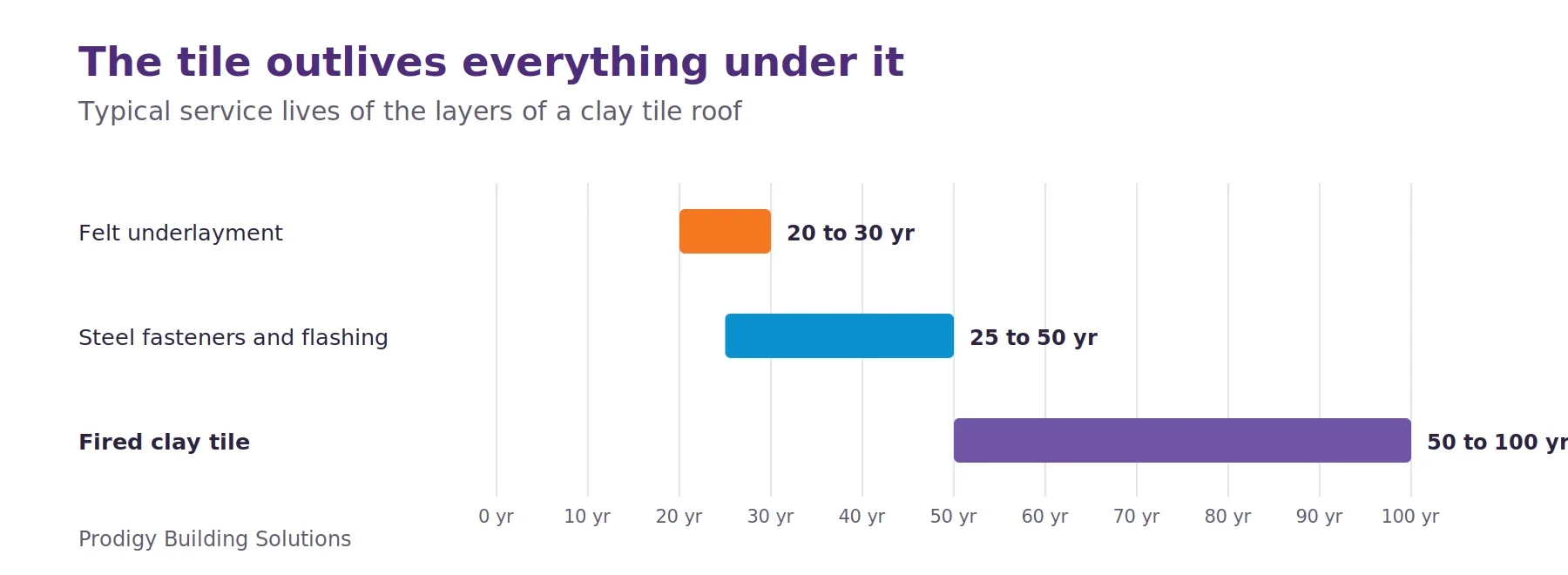
Figure 1 — A 90-year-old tile roof leaks because of the layers under the tile.
The service lives make the point. Fired clay tile is commonly rated for 50 to 100 years, and the tile on this house had done 90. The felt underlayment beneath it was never expected to last more than 20 to 30, and the steel fasteners and flashings somewhere in between. By the time a tile roof leaks, the covering is the youngest-looking part of an assembly whose every other layer is three times past its life.
The fasteners are the second thing. Every tile is held by something, and steel nails or clips ninety years into their life have corroded, worked loose, or opened up the hole they sit in. The third is the flashing — the metal at the valleys, at the chimney, and where the roof runs into a wall. Metal of that vintage rusts through at the fold first, which is the one place you cannot see it, and old flashing is very often the actual leak on a roof that gets blamed on the tile.
So the real choice on a house like this one is not tile or shingle. It is whether to lift the original tile, replace everything under it, and set the same tile back down, or to replace the roof with new material in the same profile. Salvaging sounds like the respectful option and sometimes it is, but ninety-year-old clay is brittle: a meaningful percentage breaks in handling, and matching replacements for what breaks are hard to buy, so you can end up with a preserved roof that is visibly patched. This house went the other way, with a barrel-profile replacement that keeps the architecture and resets everything under it to the same age on the same day.
If you own a tile roof and you have a leak, the useful thing to take from this is that the leak is probably not the tile. Have someone look at the underlayment, the fasteners and the flashing before you accept a verdict on the roof — and if the answer does come back that the whole assembly is spent, keeping the profile of your house is a decision that is still available to you.