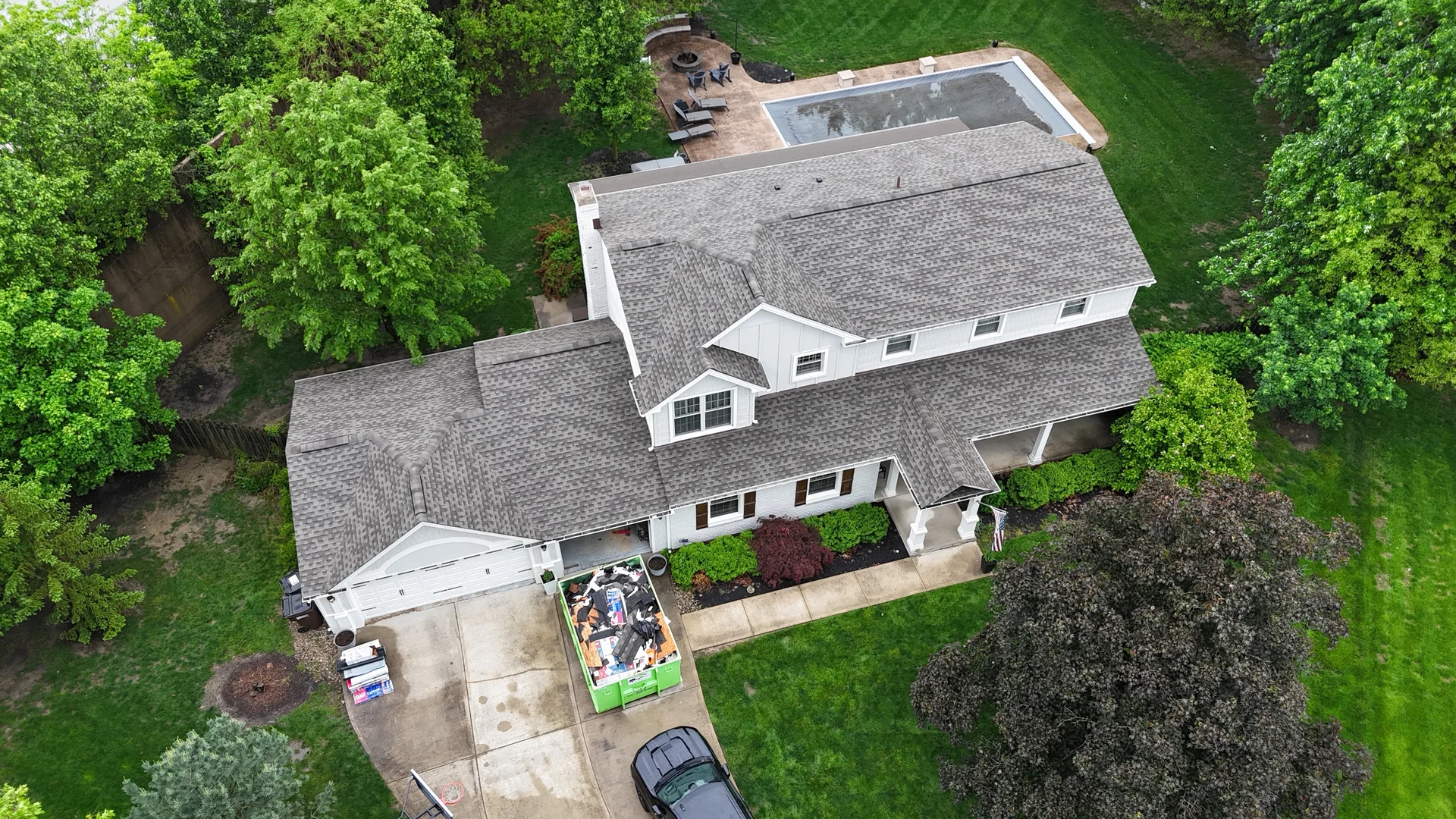
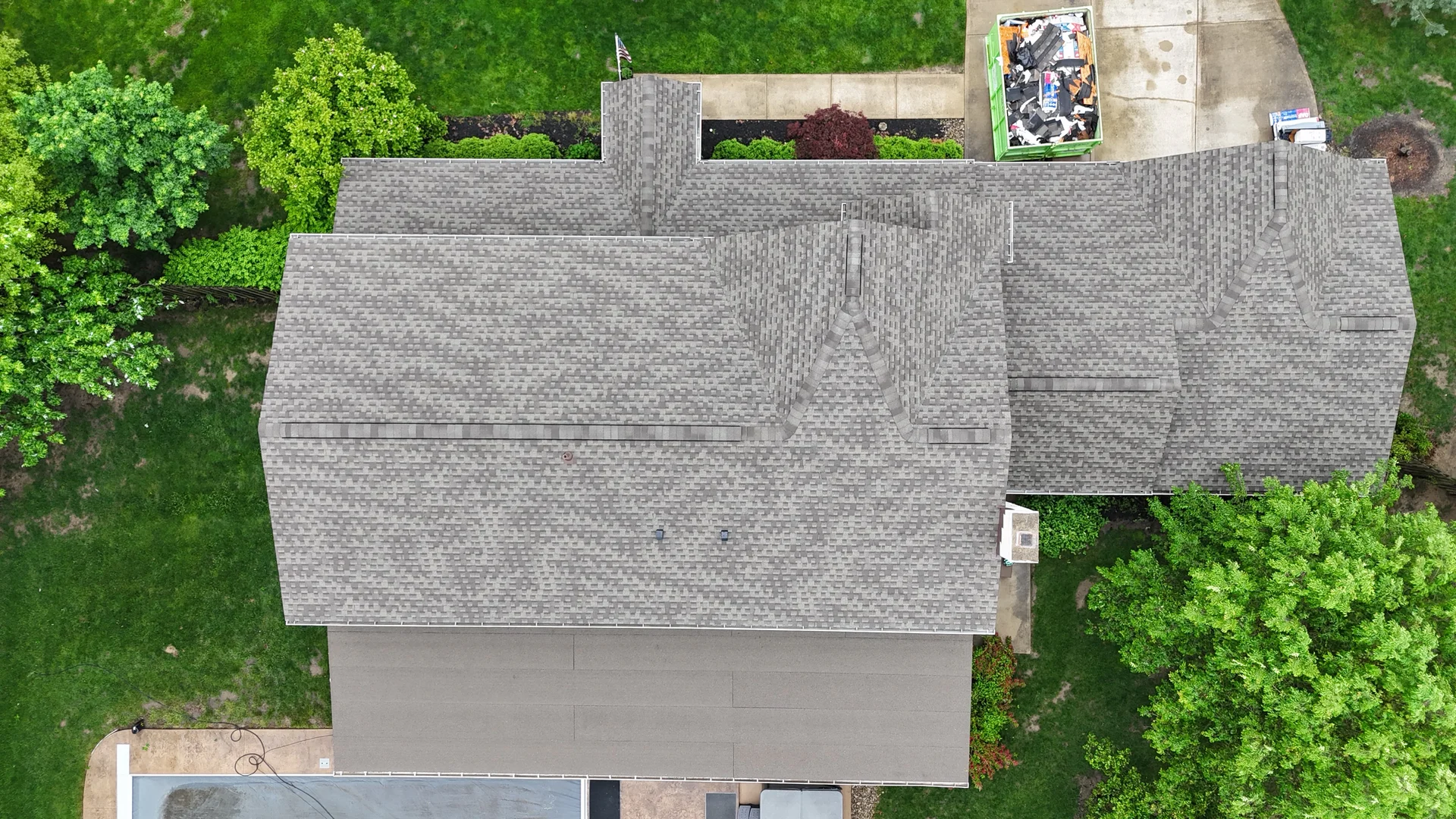
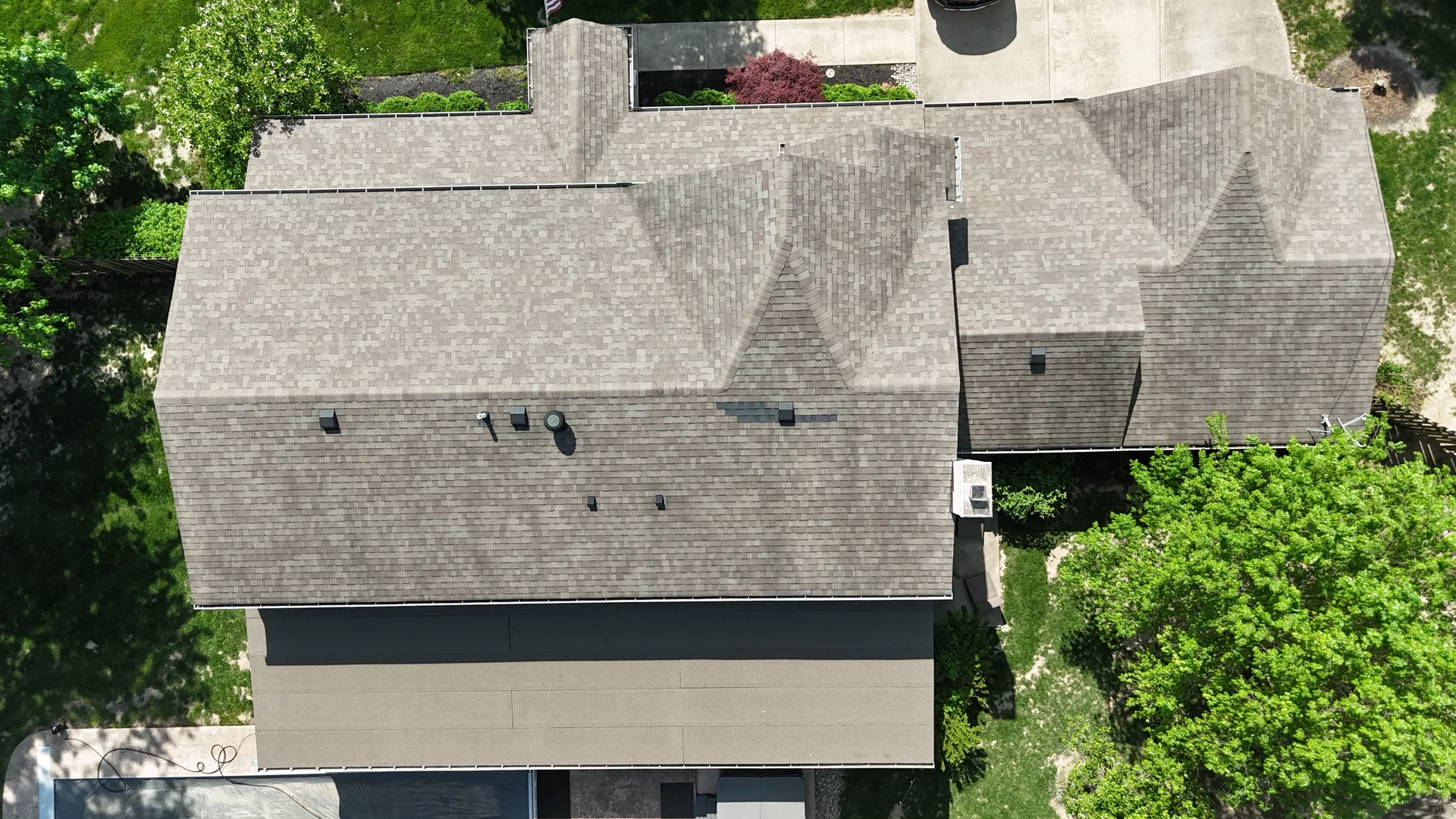
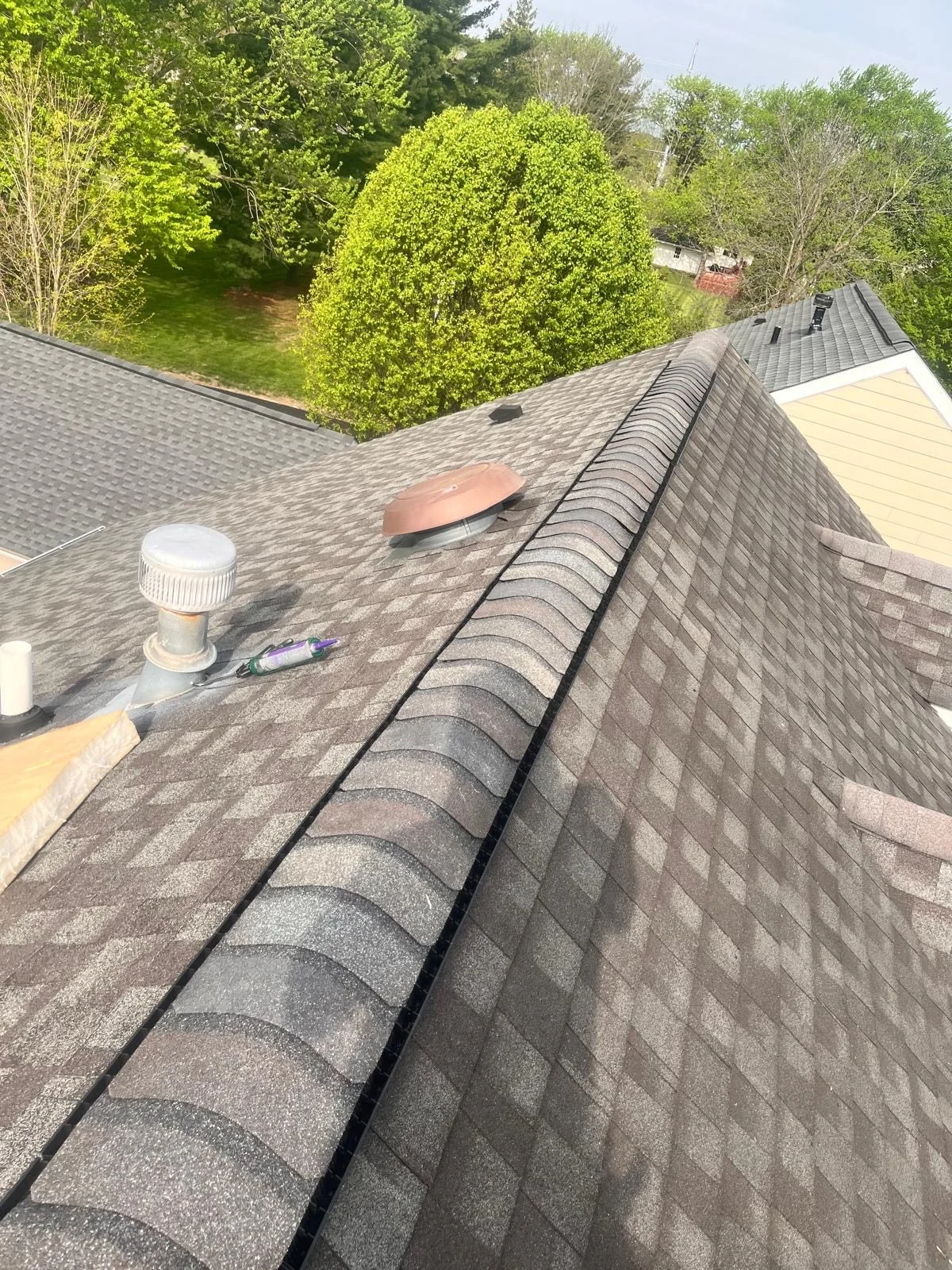
Montgomery Home Upgraded with GAF HDZ Weathered Wood Roofing
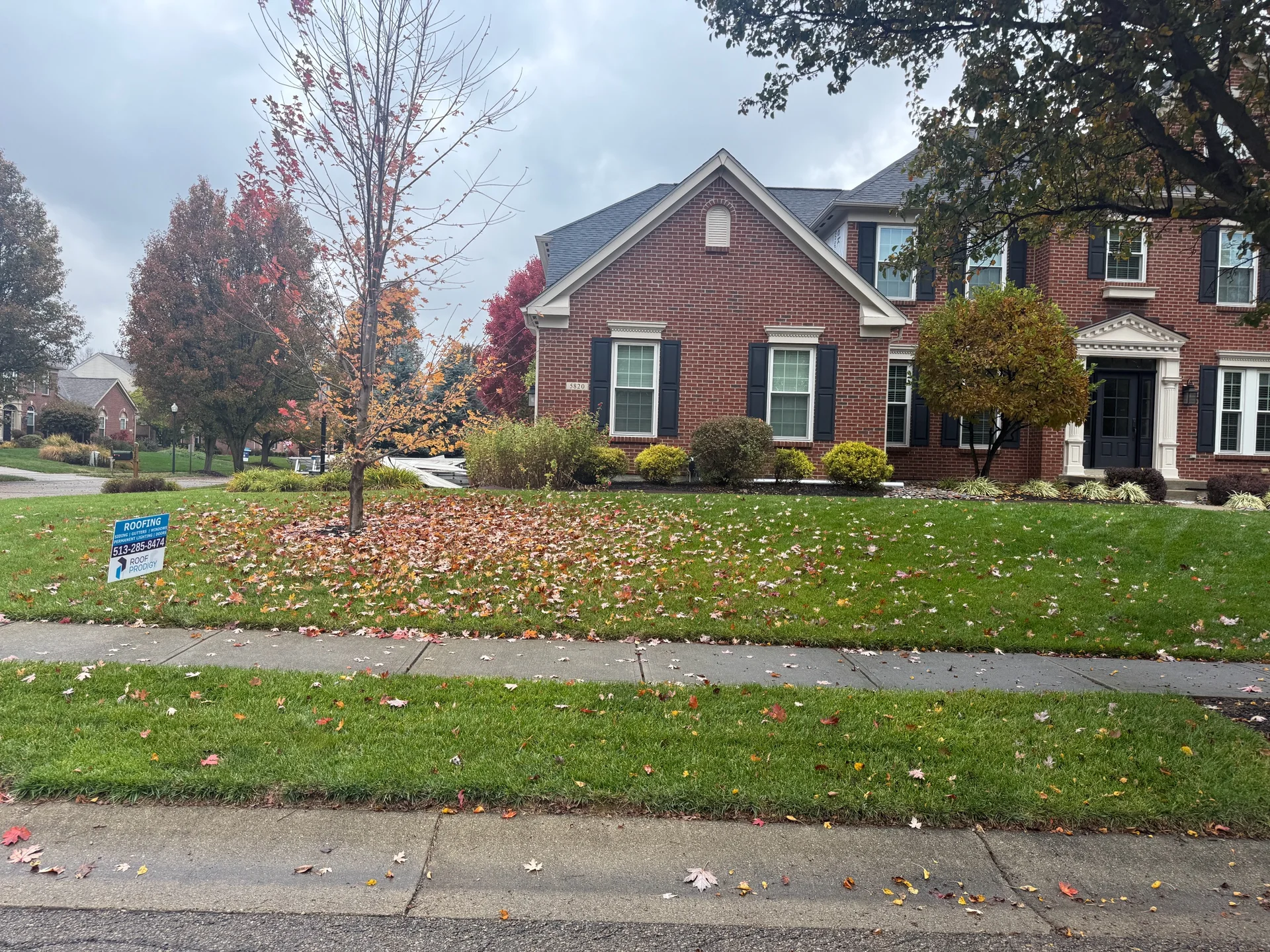
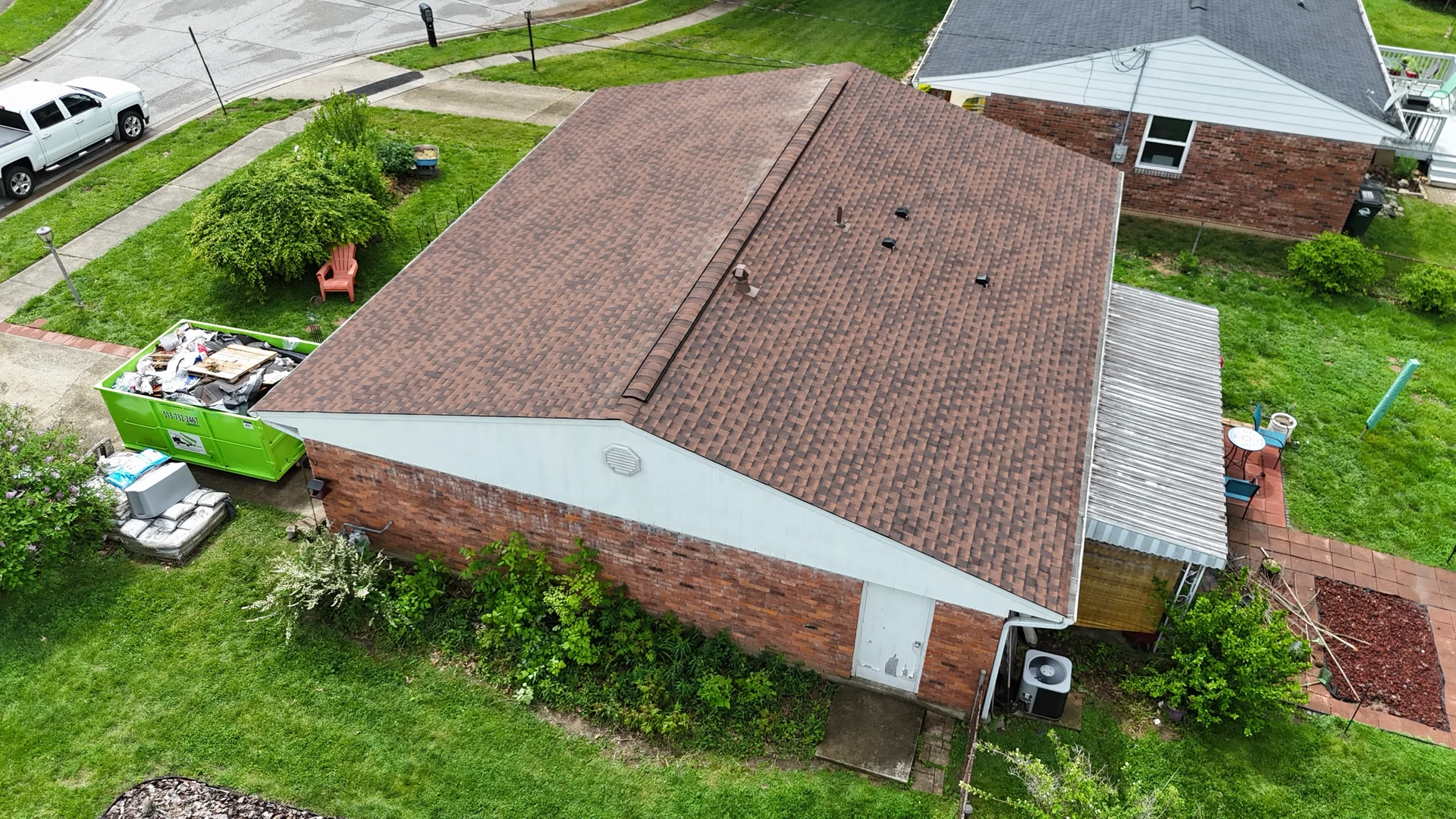
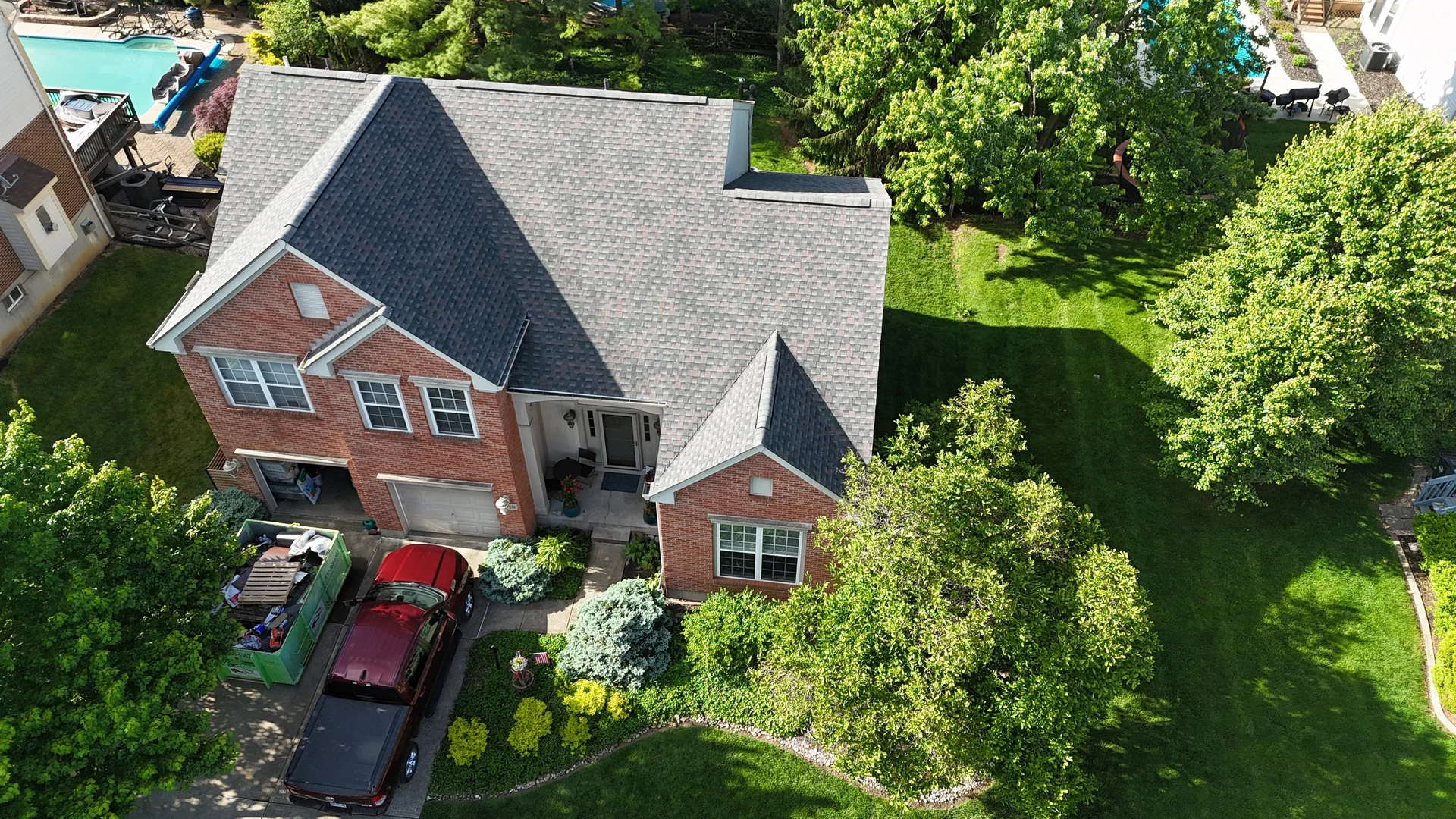
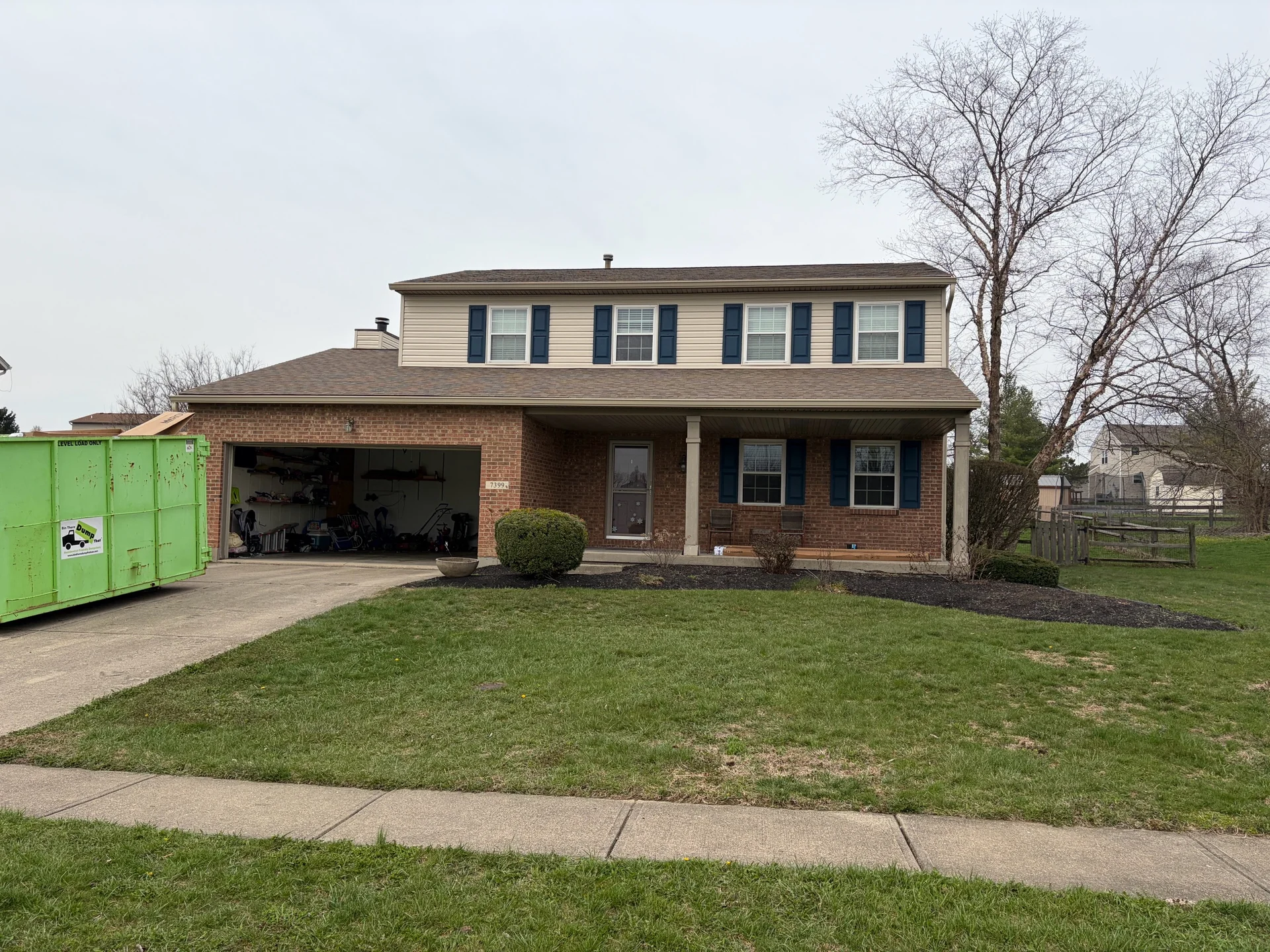
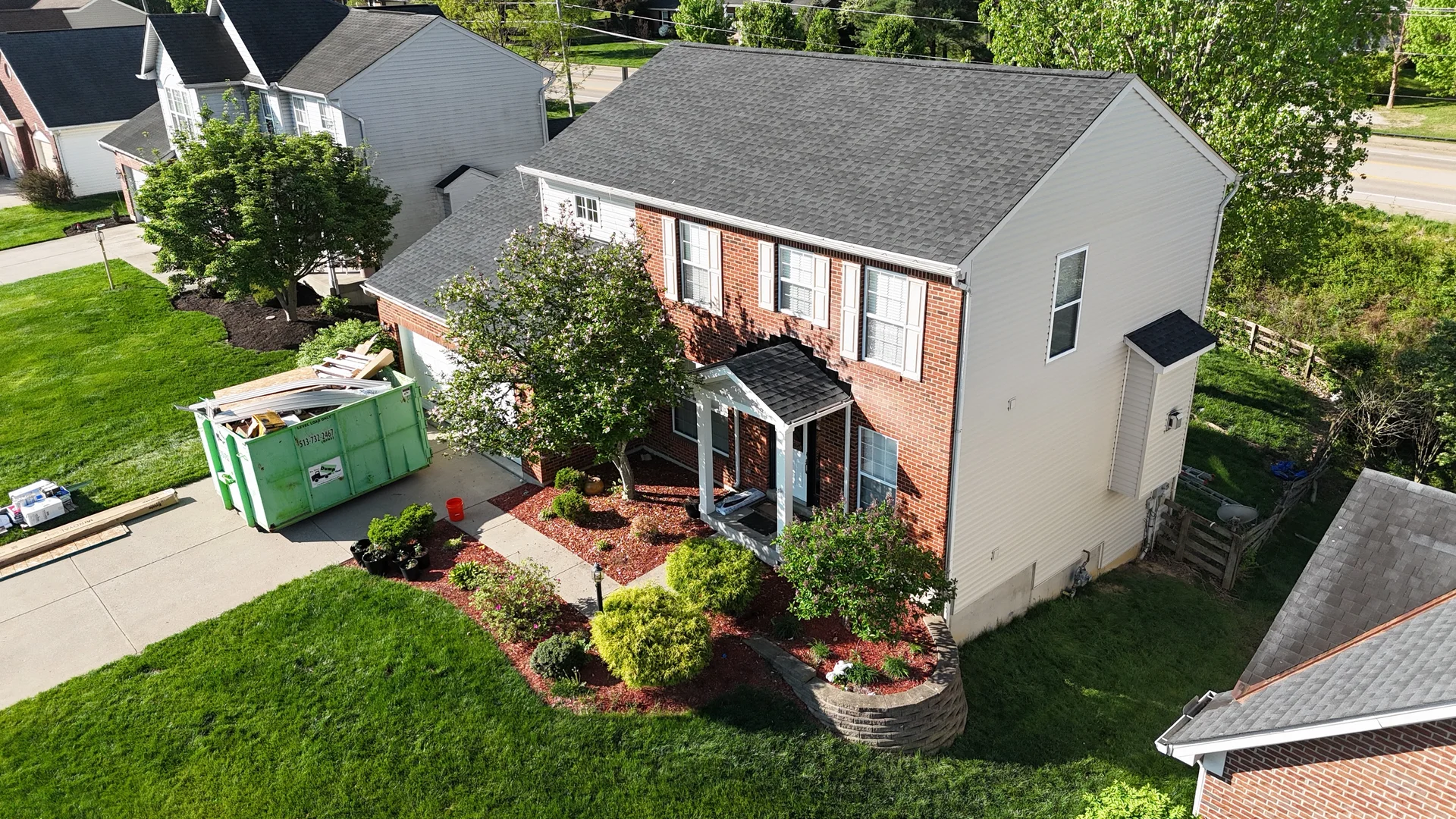
This Montgomery home had damage across the shingles and ventilation that had fallen behind what the house needed. Neither problem was going to improve on its own, and the shingle damage had reached the point where repairing sections would have meant paying twice.
The roof came off and the deck underneath was checked before anything new went down — the one moment in the life of a roof when you can actually see what you are nailing into. The ventilation was brought up to date at the same time, since it is part of the assembly rather than an accessory bolted on at the end.
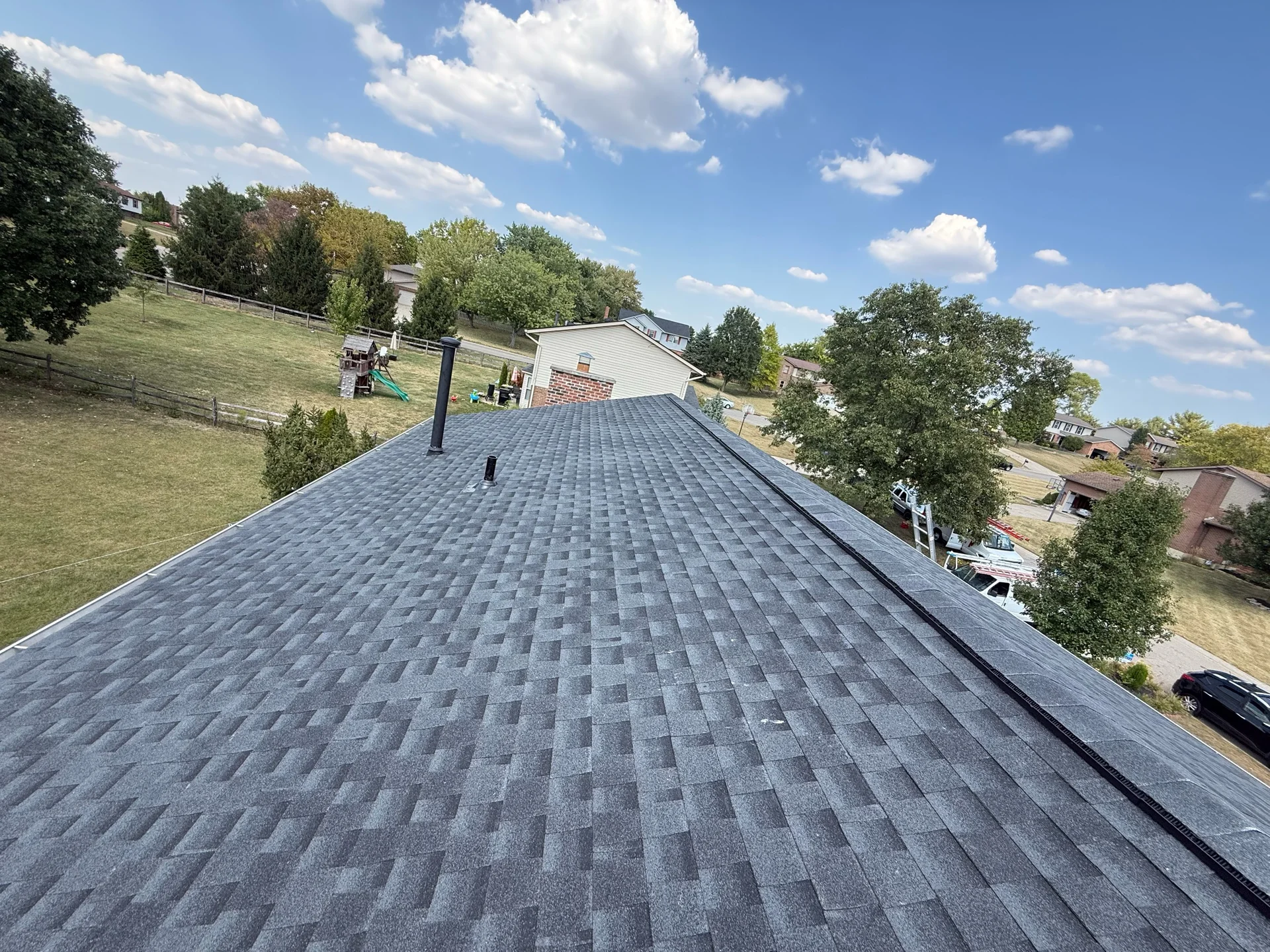
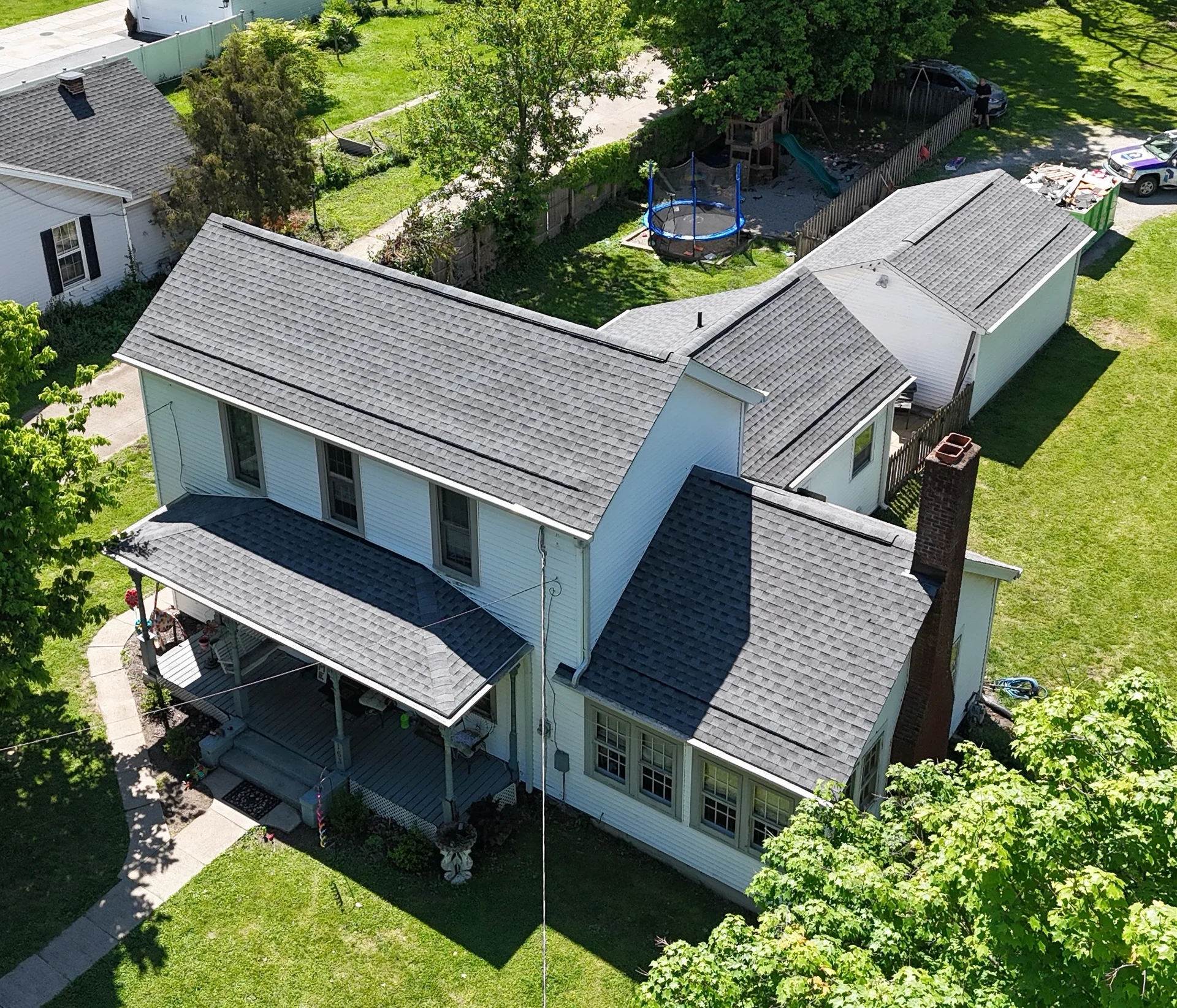
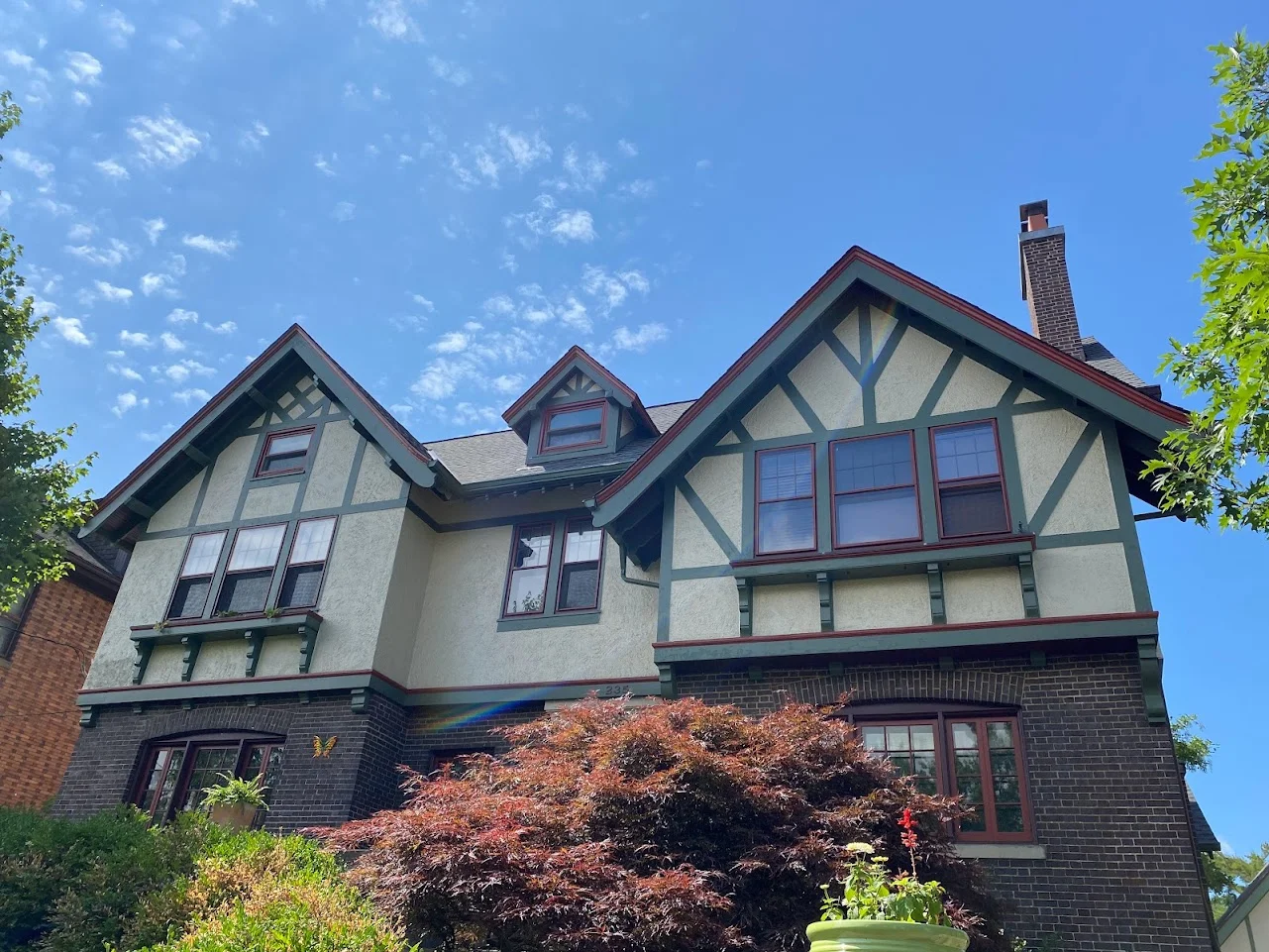
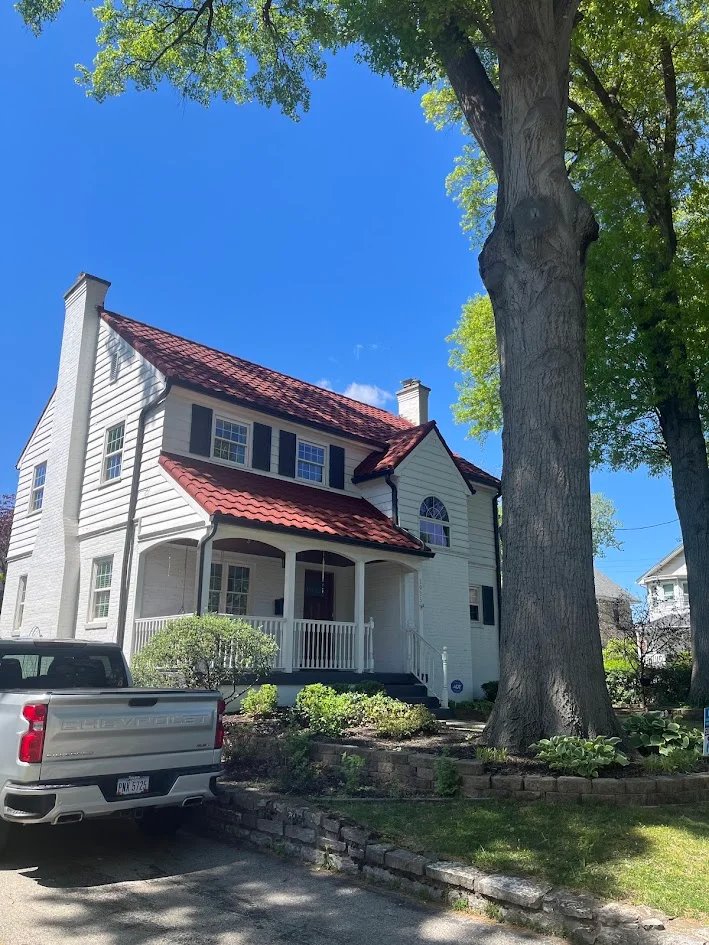
What went back on is a complete GAF system finished with Timberline HDZ in Weathered Wood: a soft gray-brown that sits quietly against the house and does not fight the trees around it. Every layer from the starter strip to the ridge cap came from the same manufacturer, installed as a GAF Silver Pledge system.
That last part is the difference between a new roof and a new set of shingles, and it is worth a minute of explanation.
This Montgomery home had damage across the shingles and ventilation that had fallen behind what the house needed. Neither problem was going to improve on its own, and the shingle damage had reached the point where repairing sections would have meant paying twice.
The roof came off and the deck underneath was checked before anything new went down — the one moment in the life of a roof when you can actually see what you are nailing into. The ventilation was brought up to date at the same time, since it is part of the assembly rather than an accessory bolted on at the end.
What went back on is a complete GAF system finished with Timberline HDZ in Weathered Wood: a soft gray-brown that sits quietly against the house and does not fight the trees around it. Every layer from the starter strip to the ridge cap came from the same manufacturer, installed as a GAF Silver Pledge system.
That last part is the difference between a new roof and a new set of shingles, and it is worth a minute of explanation.
Technical Discussion
What the word "system" is doing in "GAF system"
A shingle is a water-shedding surface, not a waterproof one. It is designed to hand water down to the shingle below it, and the parts that keep the house dry are mostly the parts you cannot see once the roof is finished. On this Montgomery roof every one of them came from the same manufacturer as the Weathered Wood shingle, and that is what the word system means.
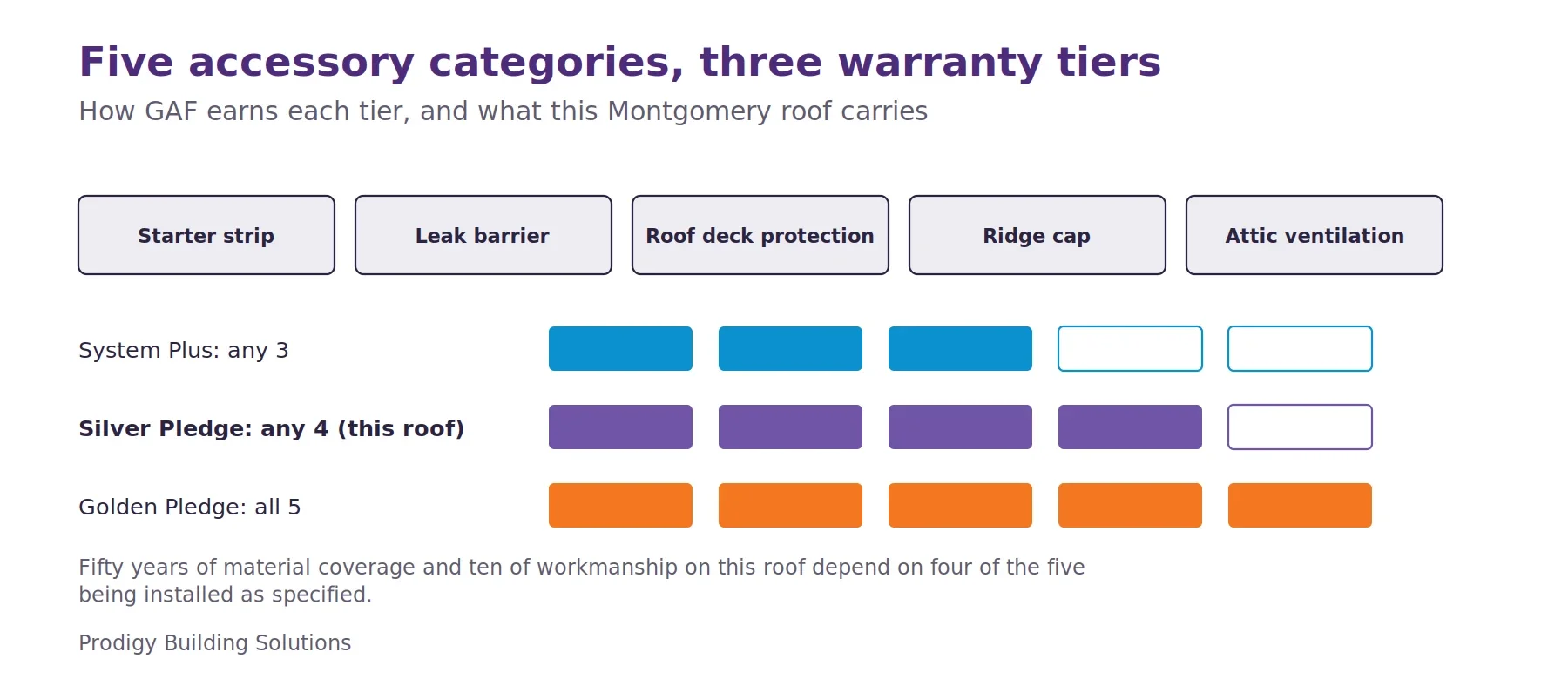
Figure 1 — The tier is earned by the accessories, not by the shingle.
Five accessory categories
GAF recognizes five accessory categories: starter strip, leak barrier, roof deck protection, ridge cap, and attic ventilation. Its warranty tiers are earned by how many of them are installed with the shingle. System Plus requires three, Silver Pledge four, and Golden Pledge all five. This roof was installed as a Silver Pledge system, which is how it carries 50 years of material coverage and 10 years of workmanship backed by the manufacturer rather than only by the contractor.
What each one does
The starter strip puts a factory adhesive line exactly where wind wants to lift the first course. The old shortcut is to cut up field shingles, which puts that adhesive in the wrong place or upside down. The leak barrier is the self-adhering membrane at the eaves, valleys and penetrations, sealing around the nails driven through it. Roof deck protection is the underlayment across the rest of the deck, a second plane under the shingles. The ridge cap is a purpose-made piece, thicker and formed to bend over a peak in cold weather without cracking, where the substitute is three-tab shingles cut into thirds on the most exposed line of the roof. Ventilation belongs on the list because the manufacturer's shingle life assumes the deck underneath is not cooking.
Why generic substitutes cost more than they save
Accessories are a small share of what a roof costs in materials, so swapping in generic ones saves little. It also drops the roof out of the tier it was quoted at, because the manufacturer only stands behind an assembly it specified end to end. That substitution is invisible from the driveway and permanent once the roof is on.
When you hold two quotes, read the accessory lines. If one names the starter, the leak barrier, the underlayment, the ridge cap and the ventilation, and the other says shingles and accessories, you are not comparing the same roof.