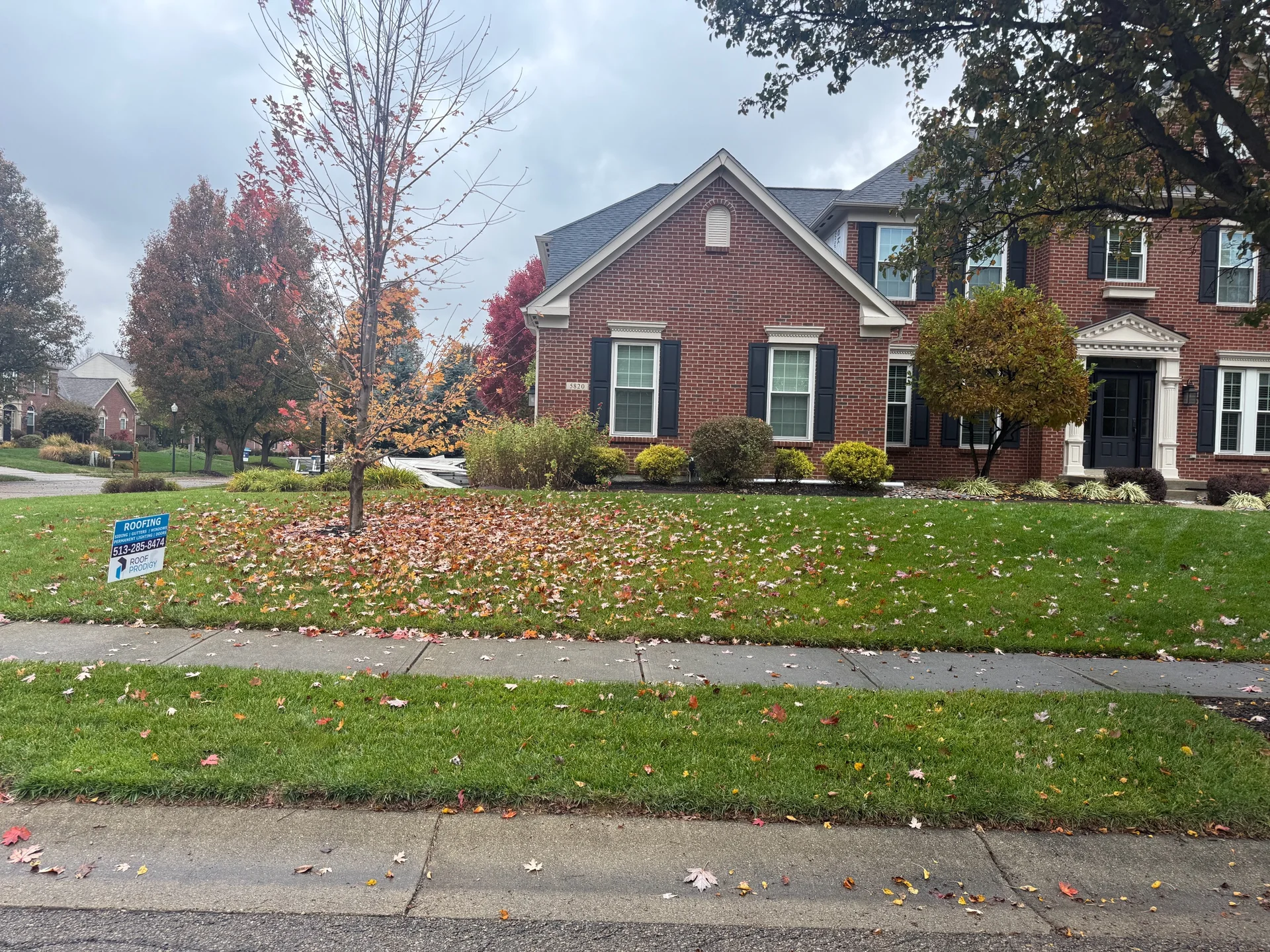
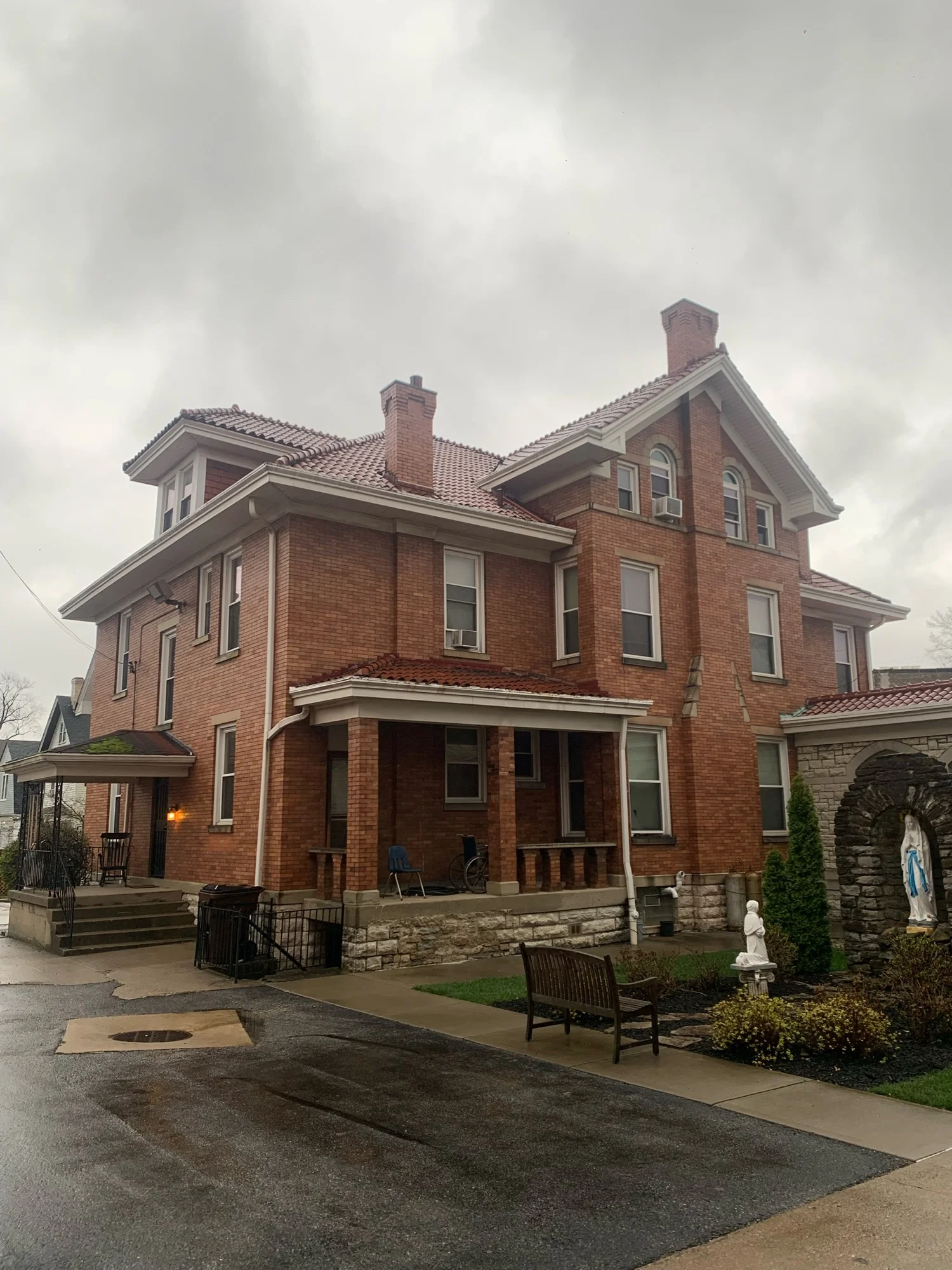
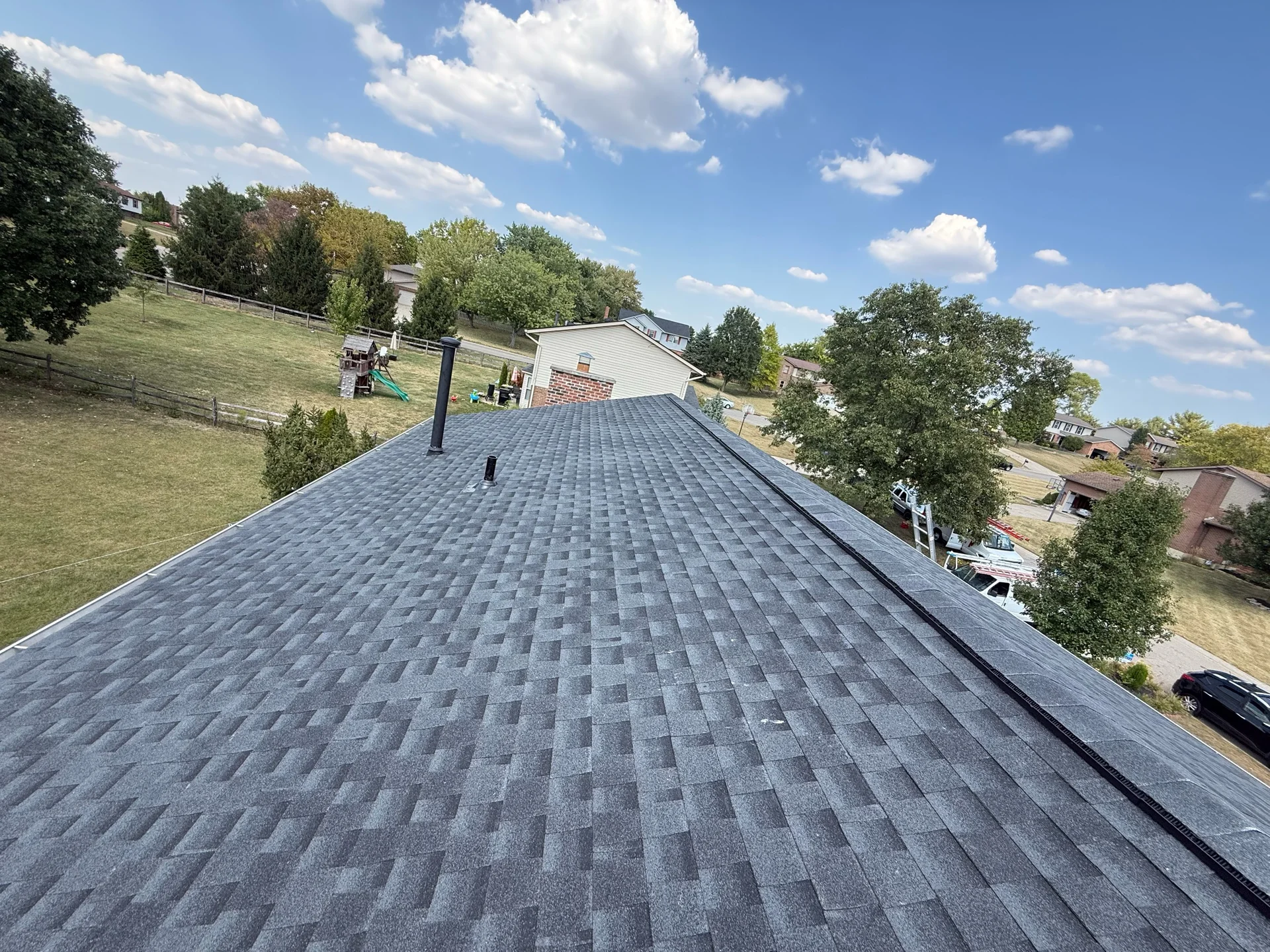
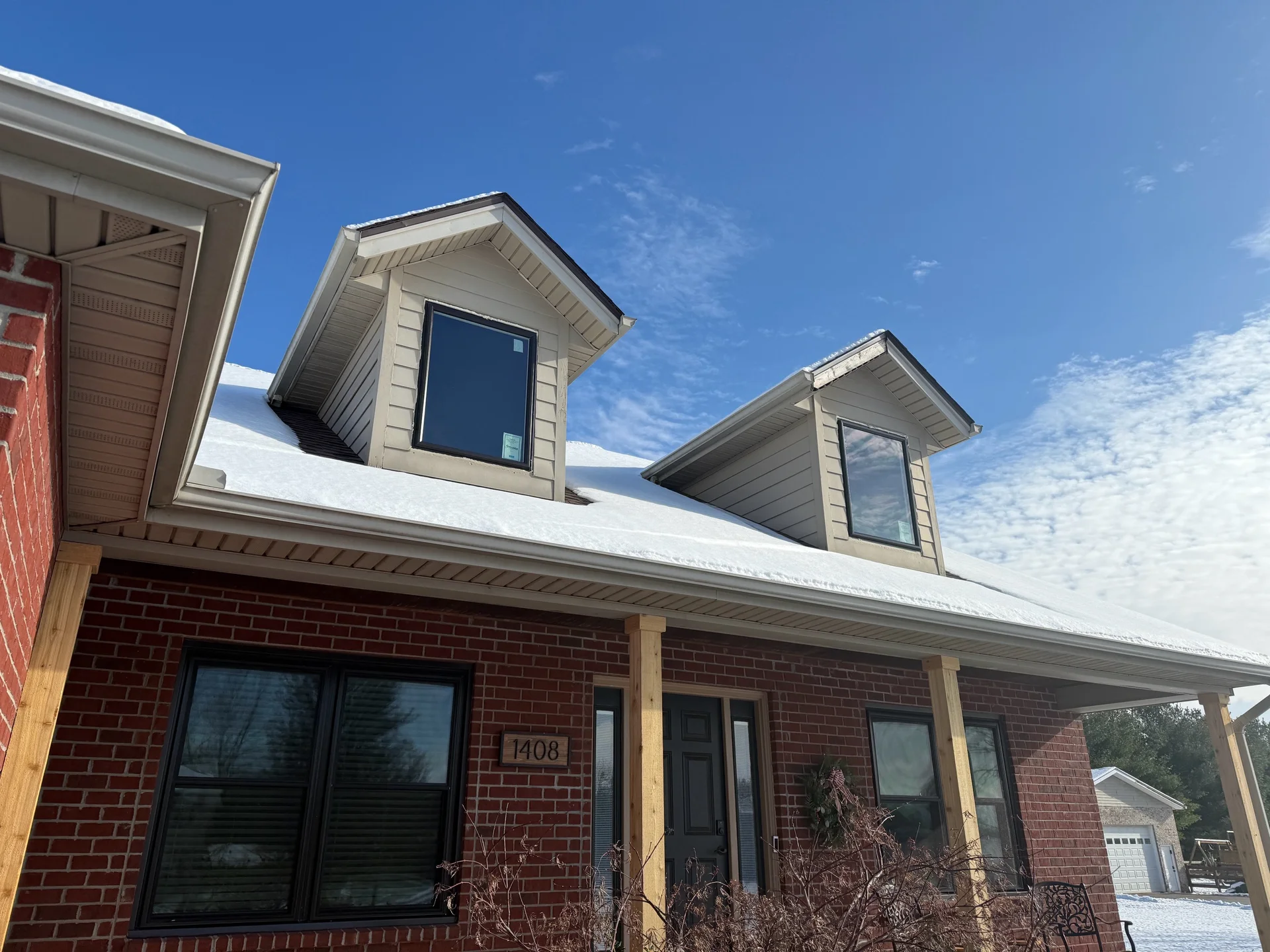
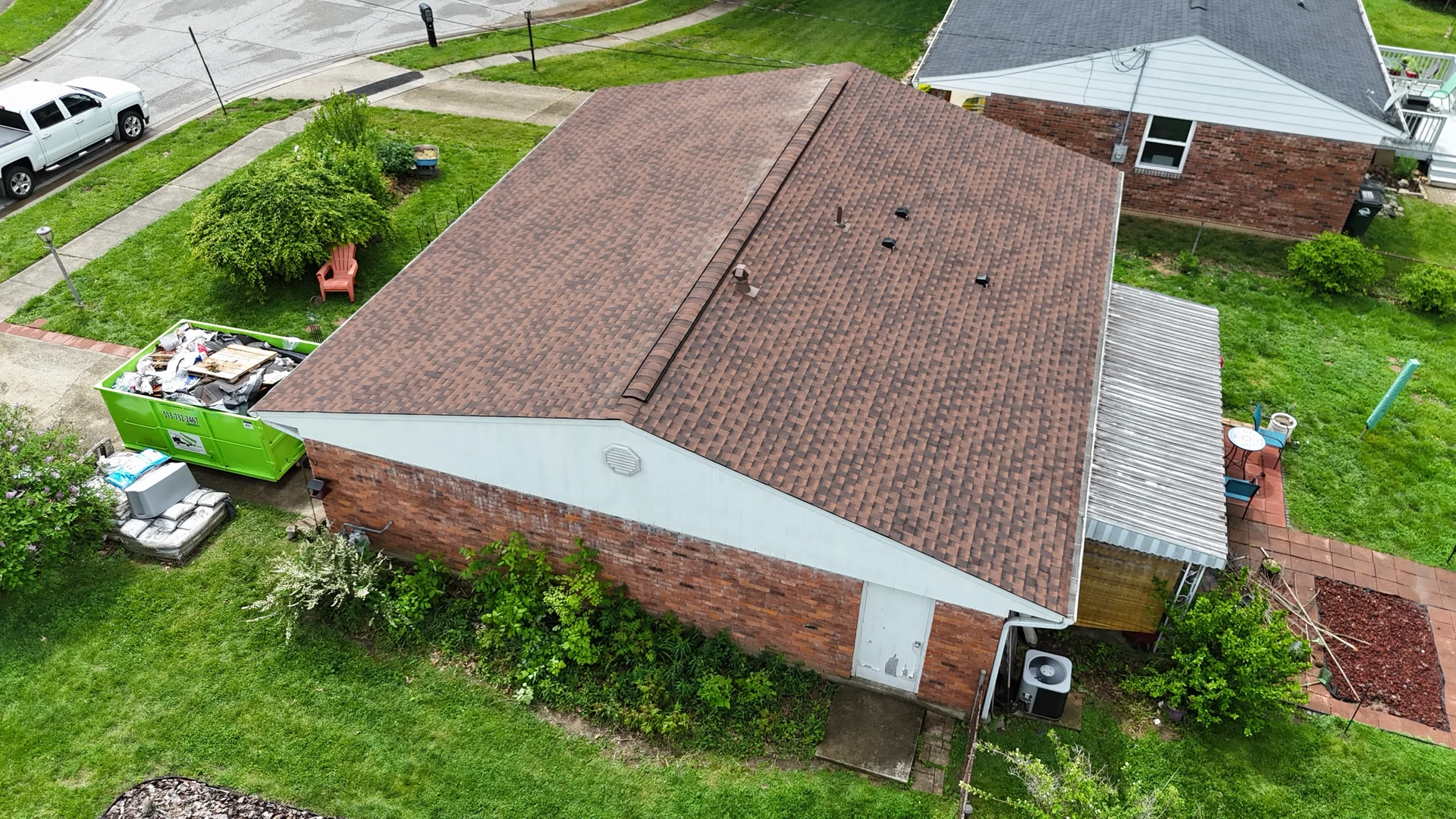
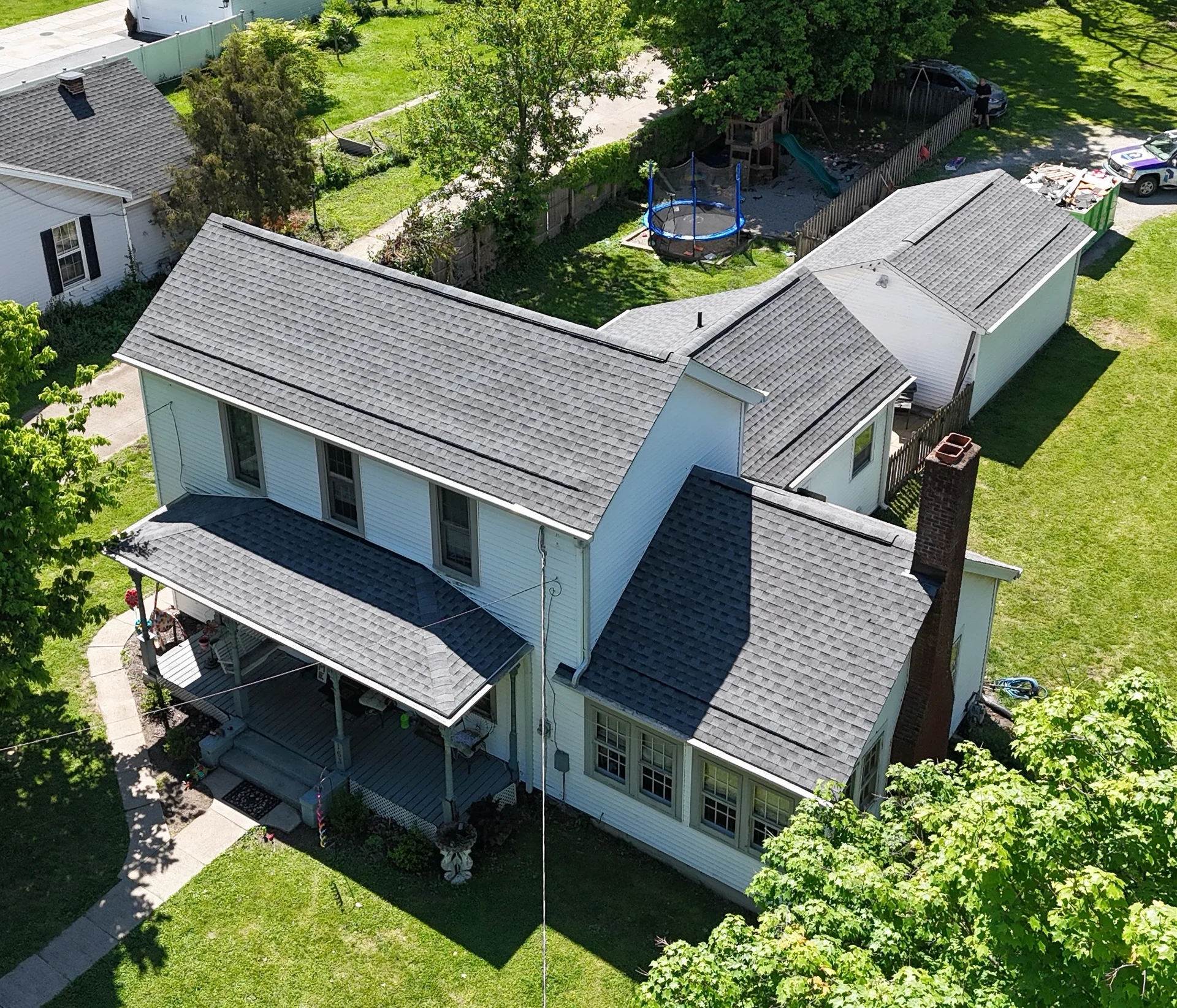
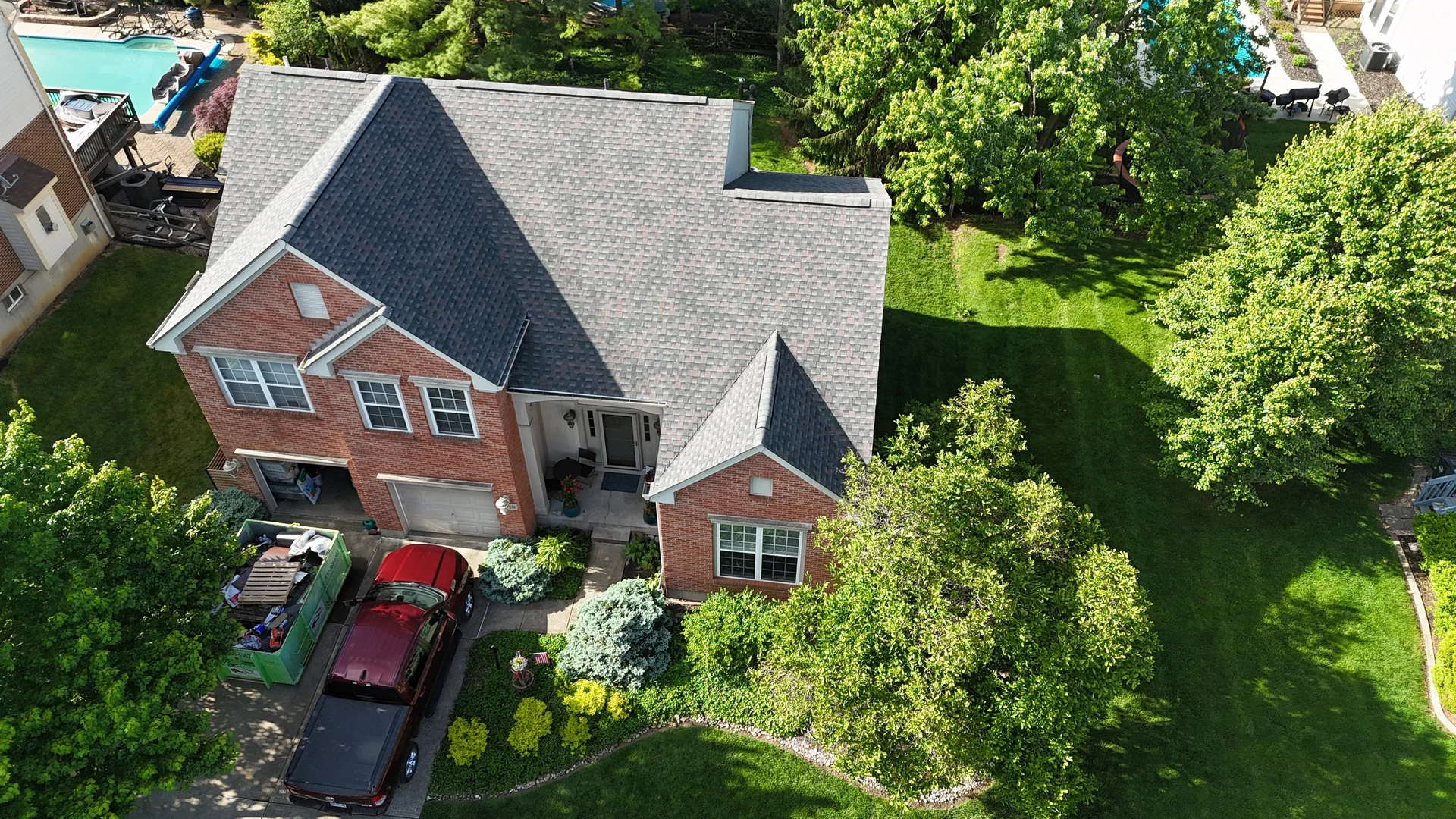
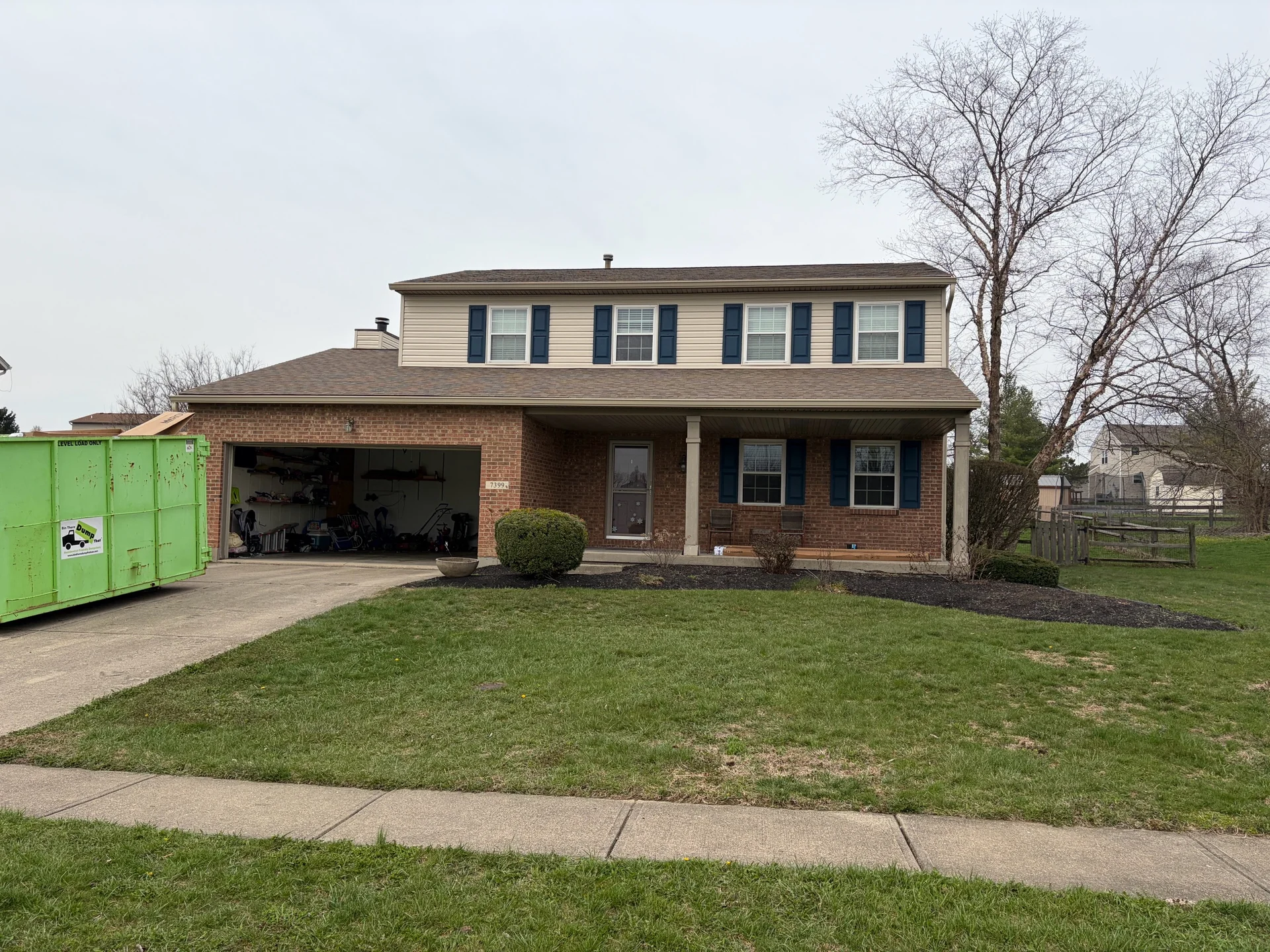
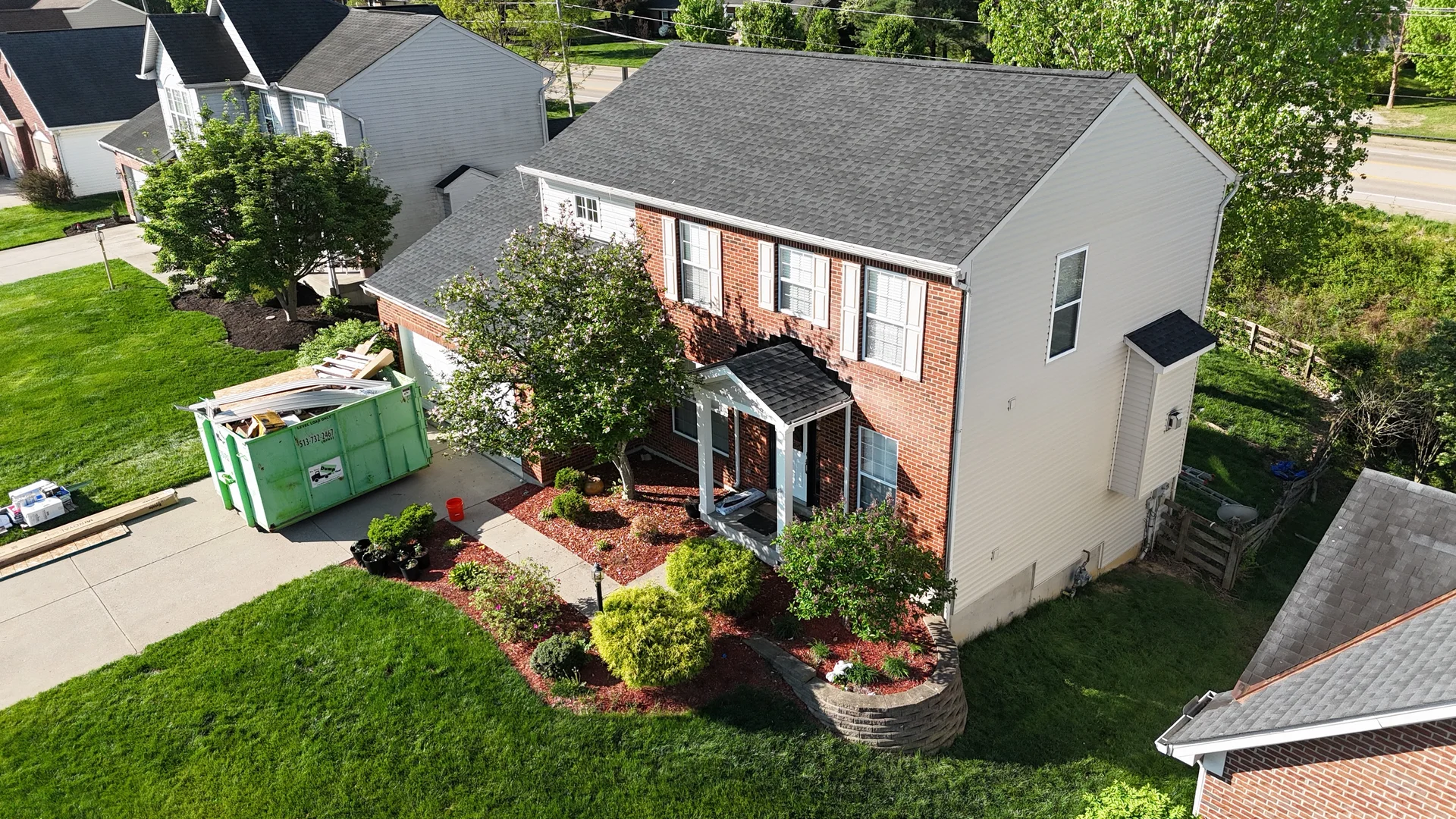
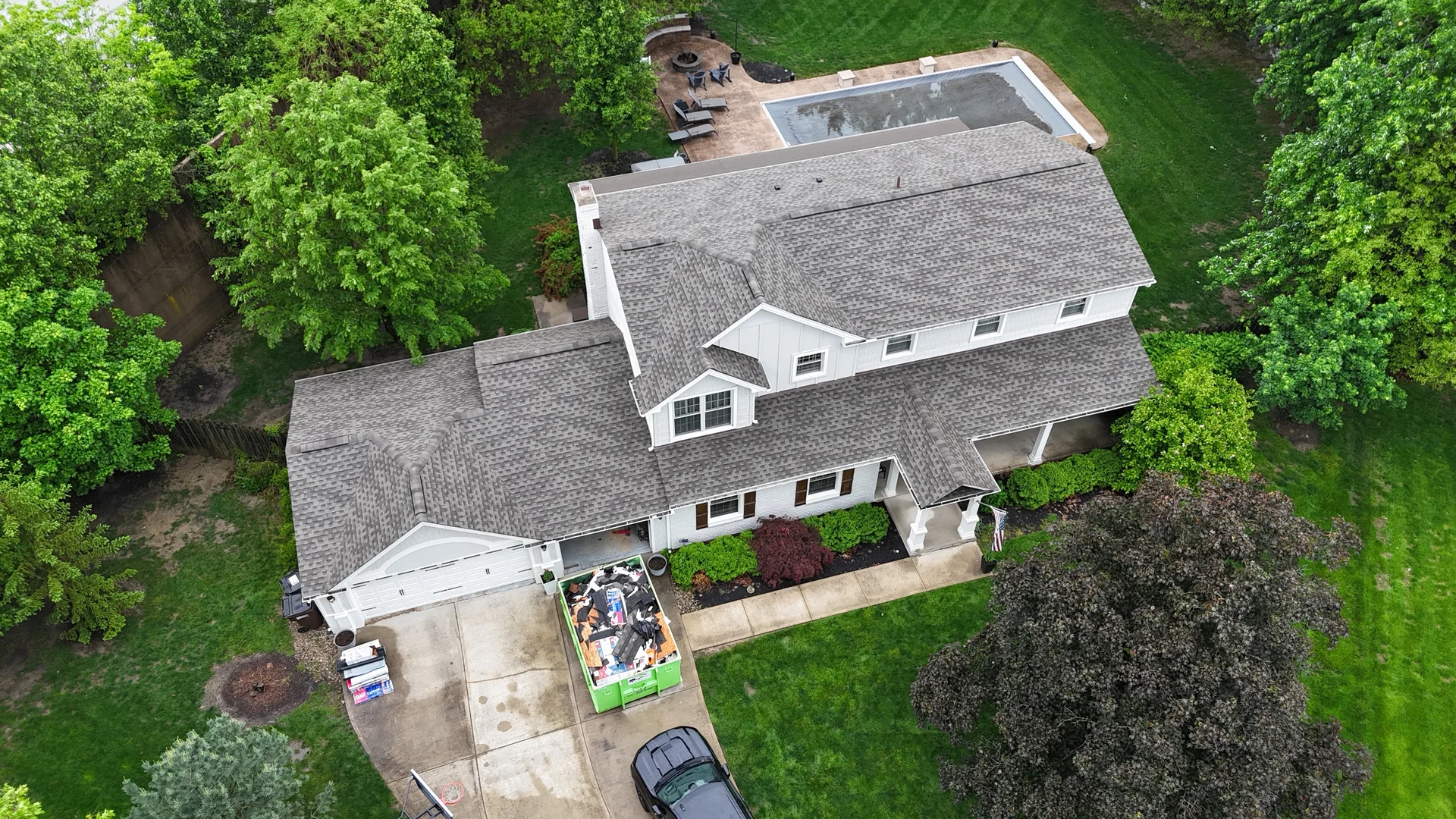
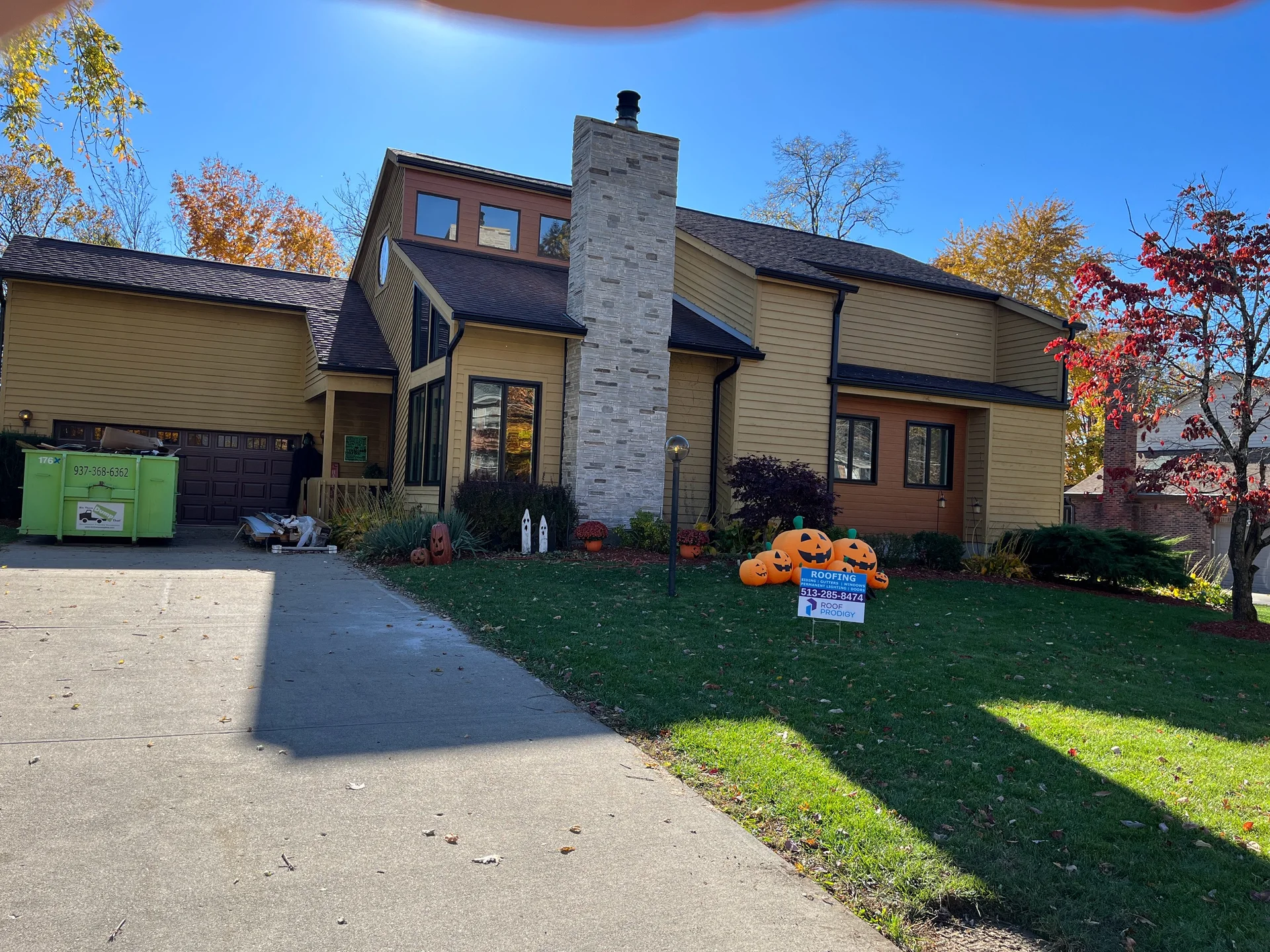
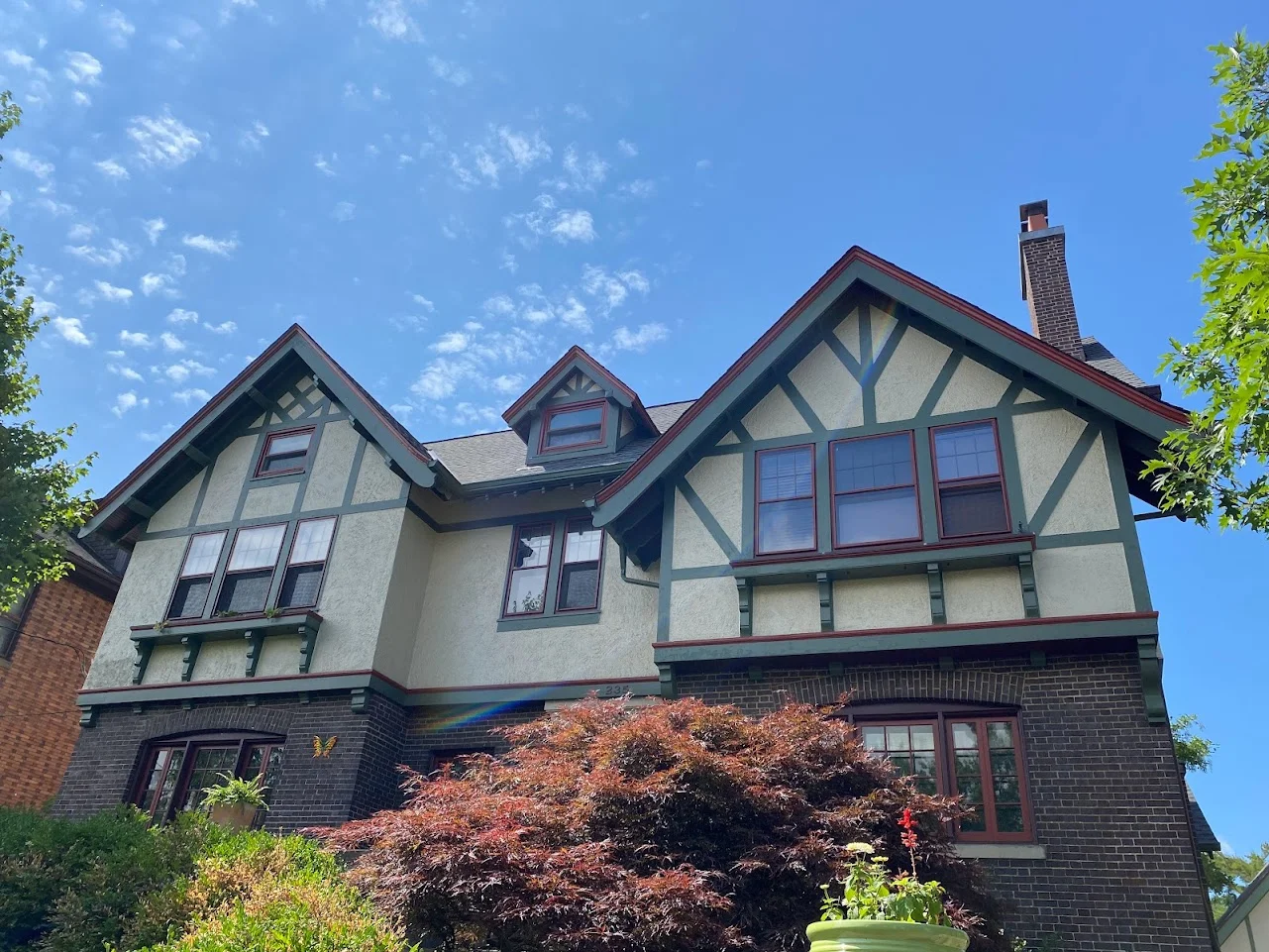
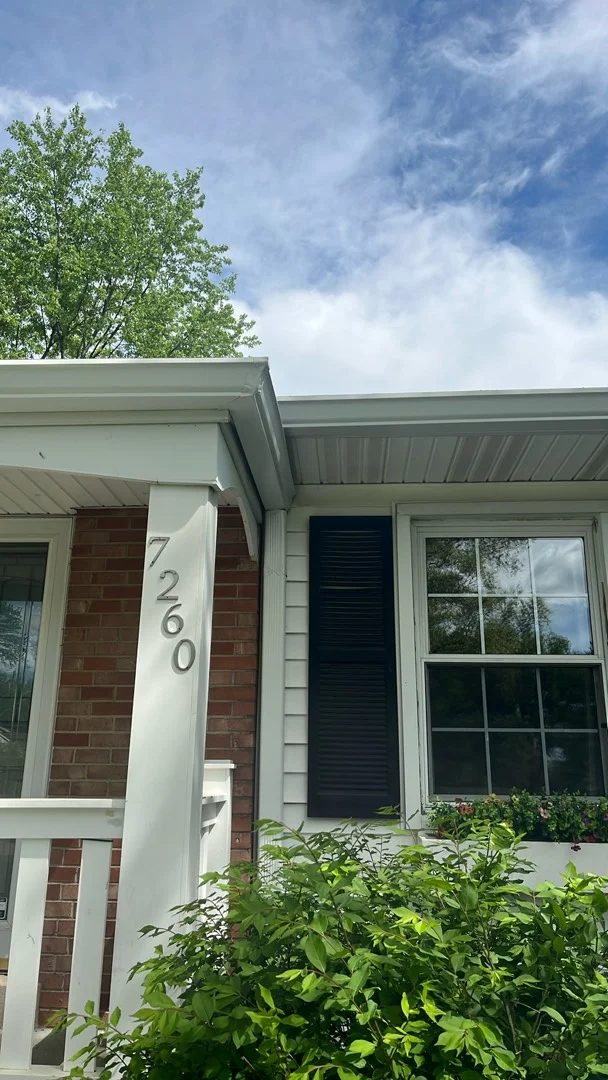
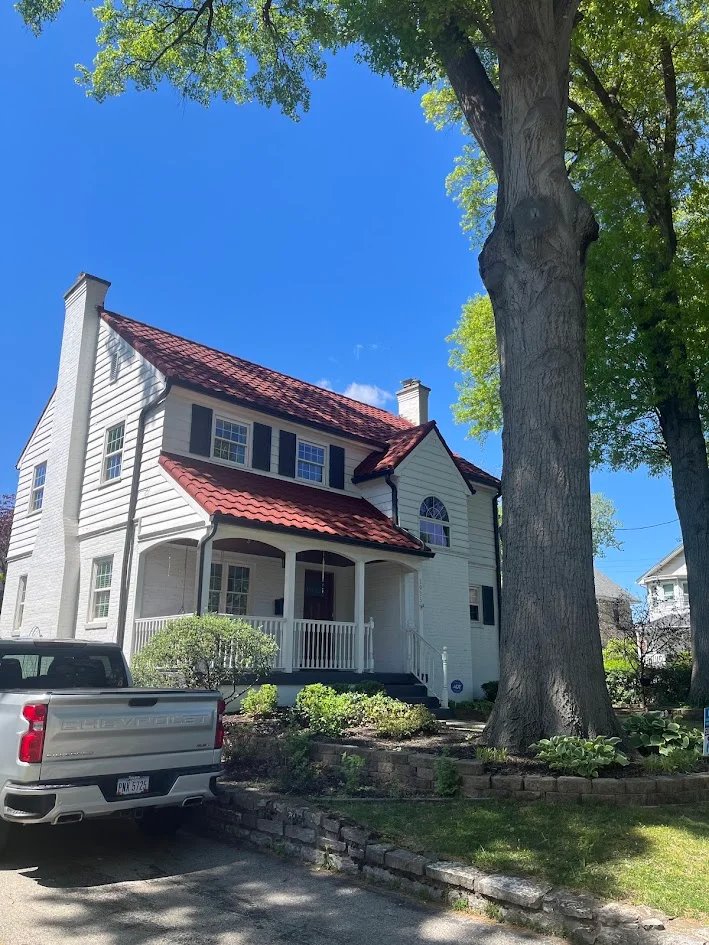
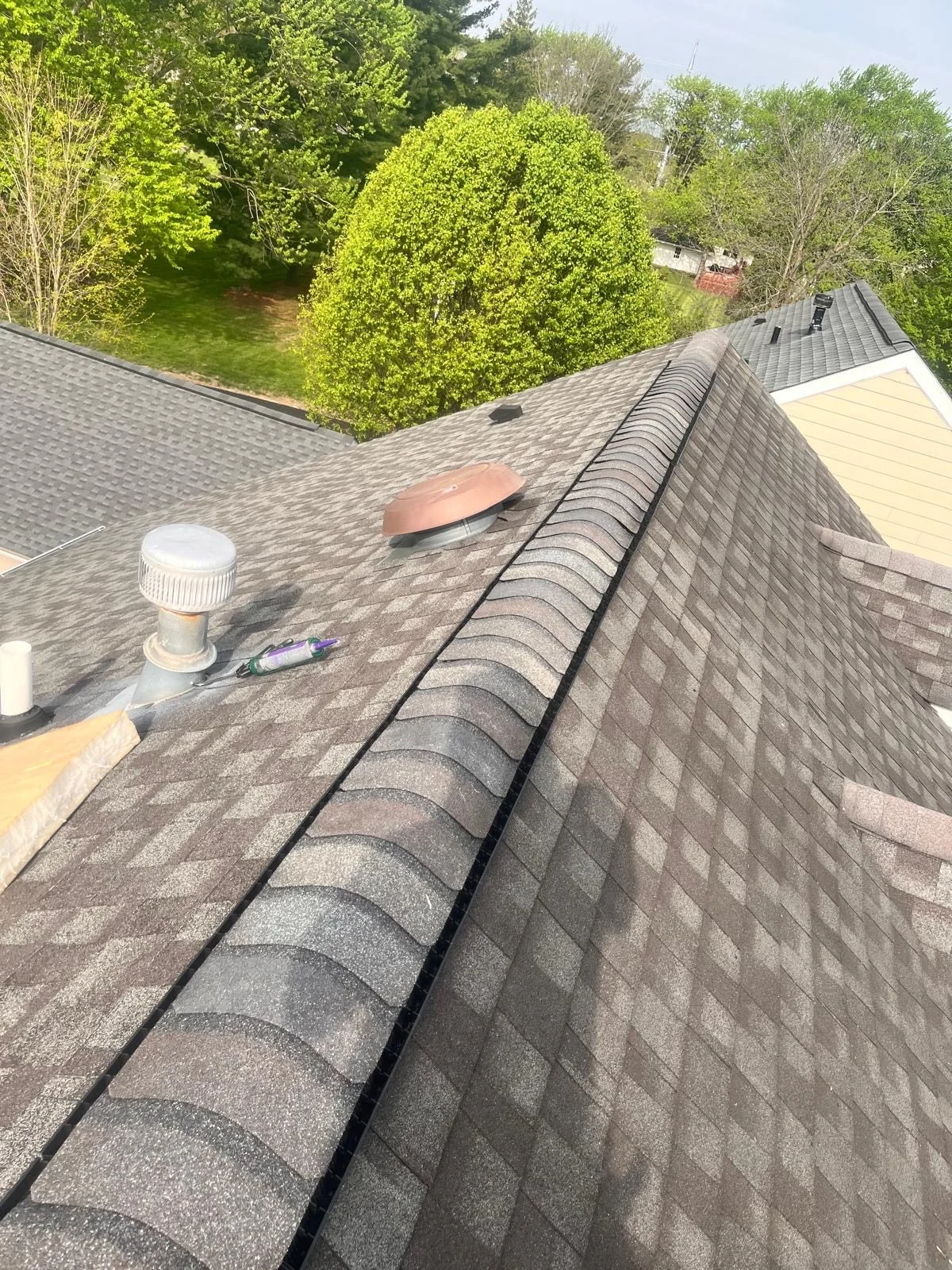
This Mason home had wood rot along the roofline, and it had gone far enough that water was getting into the house. That is usually the order these things happen in. The gutter overflows or lets water run behind it, the fascia stays damp instead of drying between rains, the wood goes soft, and once the wood is soft there is nothing stopping the water from carrying on inward.
By that point the gutter is not really the job. Hanging new gutter on wood that cannot hold a screw would have looked finished for a season and then repeated the whole sequence, so the old system came off, the wood behind it was assessed properly, and the rot was dealt with before anything new was hung. The 6-inch gutter went on last, onto sound material, which is the only order that means anything.
The leak has stopped, and the roofline underneath the new gutter is wood that will still be holding fasteners in ten years.
This Mason home had wood rot along the roofline, and it had gone far enough that water was getting into the house. That is usually the order these things happen in. The gutter overflows or lets water run behind it, the fascia stays damp instead of drying between rains, the wood goes soft, and once the wood is soft there is nothing stopping the water from carrying on inward.
By that point the gutter is not really the job. Hanging new gutter on wood that cannot hold a screw would have looked finished for a season and then repeated the whole sequence, so the old system came off, the wood behind it was assessed properly, and the rot was dealt with before anything new was hung. The 6-inch gutter went on last, onto sound material, which is the only order that means anything.
The leak has stopped, and the roofline underneath the new gutter is wood that will still be holding fasteners in ten years.
Technical Discussion
You cannot hang a new gutter on rotten wood
A gutter looks like it is attached to the house. It is not. It is attached to one board — the fascia, the trim board that runs along the ends of the rafters — and everything the gutter does depends on that board being sound. Hidden hangers clip into the gutter and screw into the fascia, and that screw is the entire structural story. So the first real question on any gutter job is not what size or what color. It is what condition that board is in.
The awkward part is that fascia almost never rots from the front, where you can see it. It rots from the back. Water that overflows a full or pitched-wrong gutter runs down behind it; so does water that gets past the back edge where the drip edge is short or missing, which is a detail plenty of houses were built without. Either way the wet side is the side pressed against the gutter and the rafter tails, out of the sun and out of the air. The paint on the front can look respectable for years while the back half of the board turns to sponge.
Here is why that ends a gutter installation. A screw holds because its threads are cutting into wood fiber with some structure left in it. Wet, rotted wood has lost that — the threads turn in it and the fastener pulls out under load, and the load is not small. Water weighs about eight pounds a gallon, and a full run of 6-inch gutter is a lot of gallons hanging off a line of screws, before you add a January of ice. A new gutter on soft fascia sags within a season. The sag makes a low spot, the low spot holds water and overflows, the overflow soaks the fascia, and you are back precisely where you started, having paid for gutters.
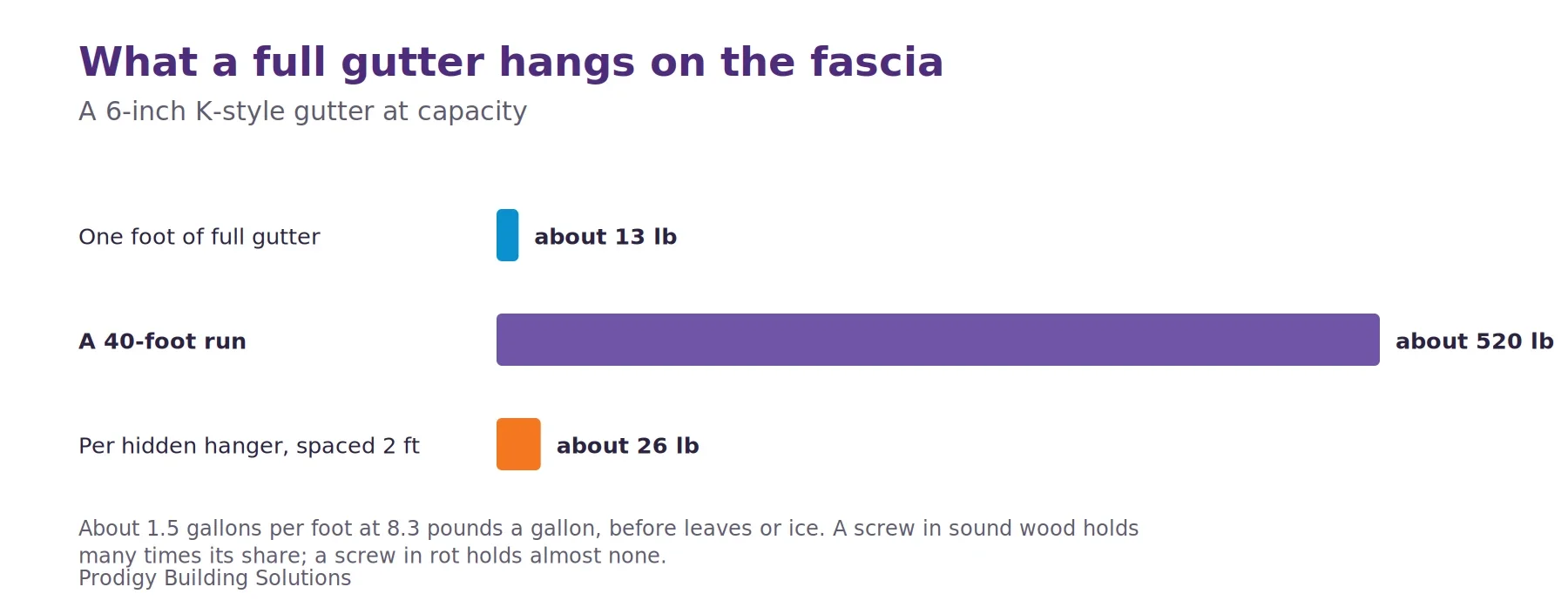
Figure 1 — The fascia carries the whole weight of the water, one screw at a time.
The load is easy to put a number on. A 6-inch K-style gutter holds roughly 1.5 gallons per foot when full, and water weighs 8.3 pounds a gallon, so a full gutter is about 13 pounds for every foot of its length before leaves or ice are added. A 40-foot run carries more than 500 pounds, hanging from screws spaced every 2 feet or so, which is about 26 pounds per screw. A screw in sound wood holds many times that. A screw in wood that has gone soft holds almost nothing.
So the sequence runs in this order. The old gutter comes off first, because nothing about the fascia can be judged with a gutter bolted over it. Then the board gets probed rather than looked at — a screwdriver pushed into it tells you in two seconds what a visual inspection will get wrong all afternoon. Then the soffit, because the soffit is the tell for how far it went: staining or softness underneath means water was not stopping at the fascia, it was getting into the eave. That is the route by which roofline rot ends up as a wet ceiling or a wet wall inside, which is what was happening here.
What gets replaced follows from what is found. Rotted fascia comes off. If the rafter tails behind it are wet, they get cut back to sound wood before new fascia goes on, because new trim nailed to rotten framing is the same mistake one layer deeper. Soffit that has gone soft comes out with it. And the reason it failed gets corrected on the way back — drip edge lapping over the fascia and into the gutter, so water coming off the roof cannot get behind the new board the way it got behind the old one. Only then is there anything worth hanging a gutter on.
The takeaway for anyone getting quotes: if a contractor prices new gutters for a house with visible rot and never mentions the wood, they have quoted you the half of the job you can see. Ask what happens if the fascia is bad, ask whether that is in the price or an allowance, and ask how they will know before the gutter is off. A good answer to that question is worth more than a good price.